
...the purpose for which mortal men have, from utter nothingness, stepped into the realm of being, is that they may work for the betterment of the world and live together in concord and harmony.
- Bahá’u’lláh
The Bahá’í Faith
The Bahá’í Faith is a worldwide religion that was born in Persia (currently Iran) in the mid 19th-Century. In less than 200 years, it has become a universal Faith present in every country in the world with adherents from virtually every nation, ethnic, religious, and tribal background. The teachings of the Bahá’í Faith are founded on the principles of the oneness of God, oneness of humanity and oneness of religion. For more information on the Bahá’í Faith, visit Bahai.org.
The Bahá’í Faith in Uganda
On 2nd August 1951, a group of friends from the Cradle of the Bahá’í Faith, Persia and the United Kingdom came and introduced the Bahá’í Teachings in Uganda. By the end of 1952, the Faith which was first embraced by four friends had expanded to a community of over 200 people.
The first local administrative body, the Local Spiritual Assembly of the Baha’is of Kampala, was formed in 1952 followed by the formation of the first Regional Spiritual Assembly comprising of Uganda, Kenya, Ruanda-Urundi, Belgian Congo, Comoros Islands and Seychelles in 1956.
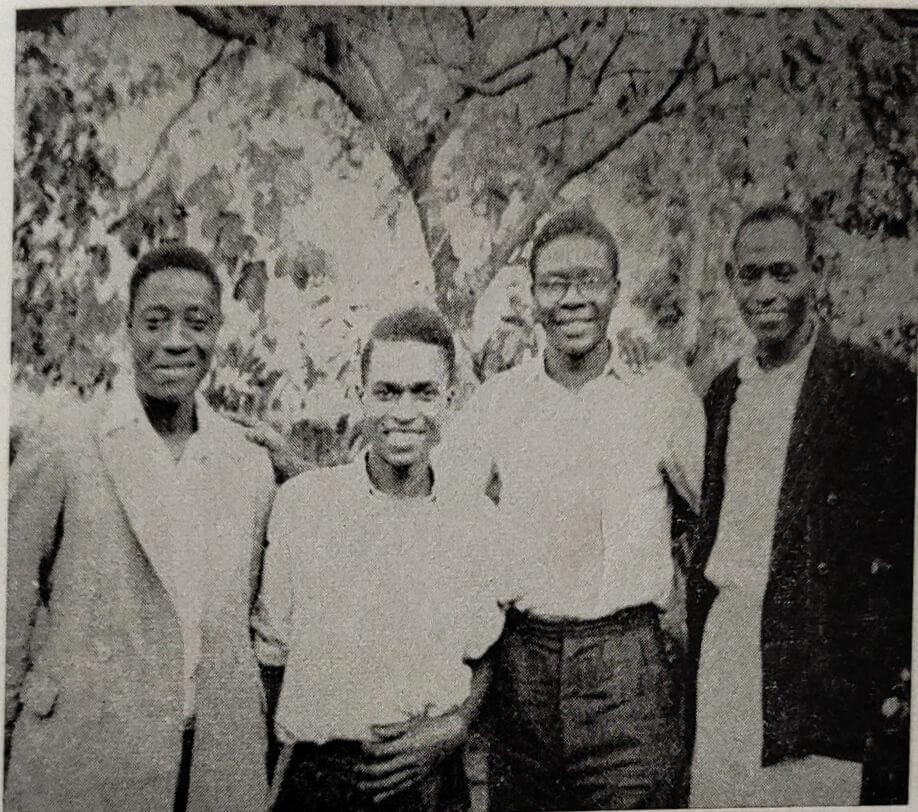
By 2nd February 1952, four native Ugandans (Mr. Crispian Kajubi, Mr. Fred Bigambwa, Mr. Peter Musoke, and Mr. Enoch Olinga) had embraced the Bahá’í Faith. Mr Enock Olinga was later appointed to the station of the Hand of the Cause of God by Shoghi Effendi – Guardian of the Faith. By January 1953, more than 200 Ugandans from no less than sixteen tribes of Uganda, from all religious backgrounds and all levels of educational background had accepted the Bahá’í Faith.
The Golden Jubilee celebrations of the Bahá’í Faith in Uganda, held in August 2001, marked the community’s entry into the new millennium. The historic occasion was graced by four of the earliest pioneers to Uganda: Mr. and Mrs. Ali and Violette Nakhjavani, Ms. Bahiyyih Nakhjavani, and Mr. Philip Hainsworth. A further milestone was commemorated in 2011 with the Golden Jubilee of the Bahá’í House of Worship, celebrating 50 years of a sacred institution that stands as a symbol of unity and progress.

Bahá’i Temple
Temples are the symbols of the divine uniting force so that when the people gather there in the House of God they may recall the fact that the law has been revealed for them and that the law is to unite them.
Prevalent Discourses
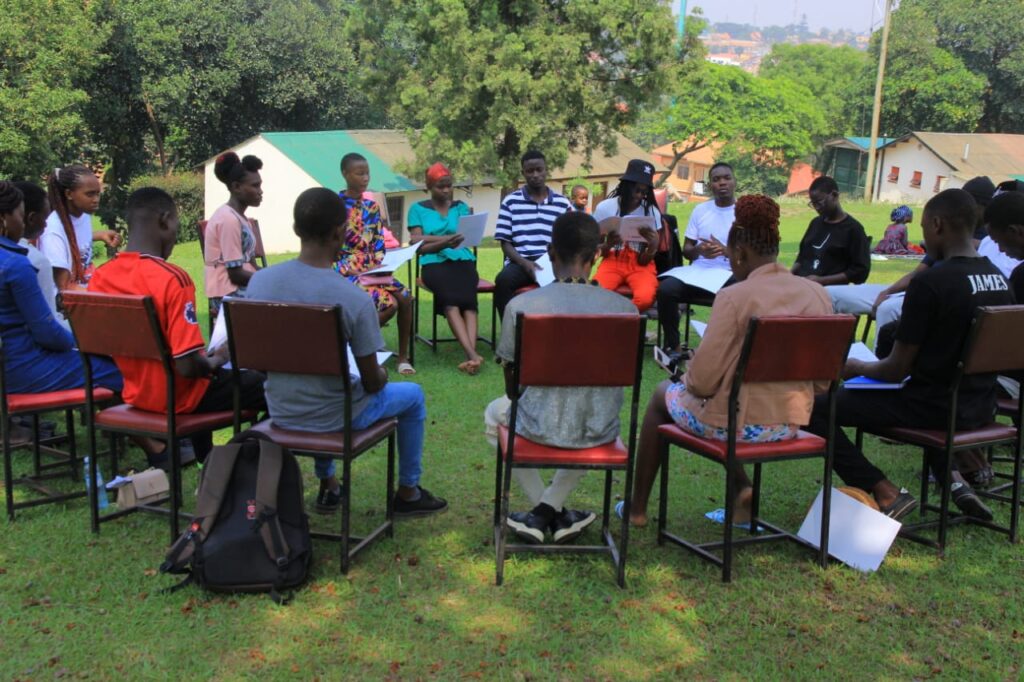
Bahá’í community effort to contribute to the advancement of civilization through participating in prevalent discourses in society.
Community Life
It provides you with an indispensable laboratory, where you can translate into living and constructive action the principles which you imbibe from the Teachings.
A Historic Mission
The present-day capacity of the Bahá’í community, combined with the discipline it has achieved through adherence to a coherent framework for action, has prepared it for an extensive, rigorous test of all its resources, spiritual as well as material.
Bahá’í Beliefs
The beginning of all things is the knowledge of God, and the end of all things is strict observance of whatsoever hath been sent down from the empyrean of the Divine Will that pervadeth all that is in the heavens and all that is on the earth.
- Bahá’u’lláh
Visitor Guidelines
To maintain a sacred and peaceful atmopshere consider the following guidelines.
Plan a Visit
Fill out this form to make booking arrangements for large group of visitors.
Discourses
Bahá’í participation in the discourses seeks to advance civilization by applying spiritual principles.
Community Building
The keynote of the Bahá’í approach to social organization.