Participation in Discourses
Every believer has the opportunity to examine the forces operating in society and introduce relevant aspects of the teachings within the discourses prevalent in whatever social space he or she is present.
- Universal House of Justice
Involvement in the life of Society
“Be anxiously concerned with the needs of the age ye live in, and centre your deliberations on its exigencies and requirements.”
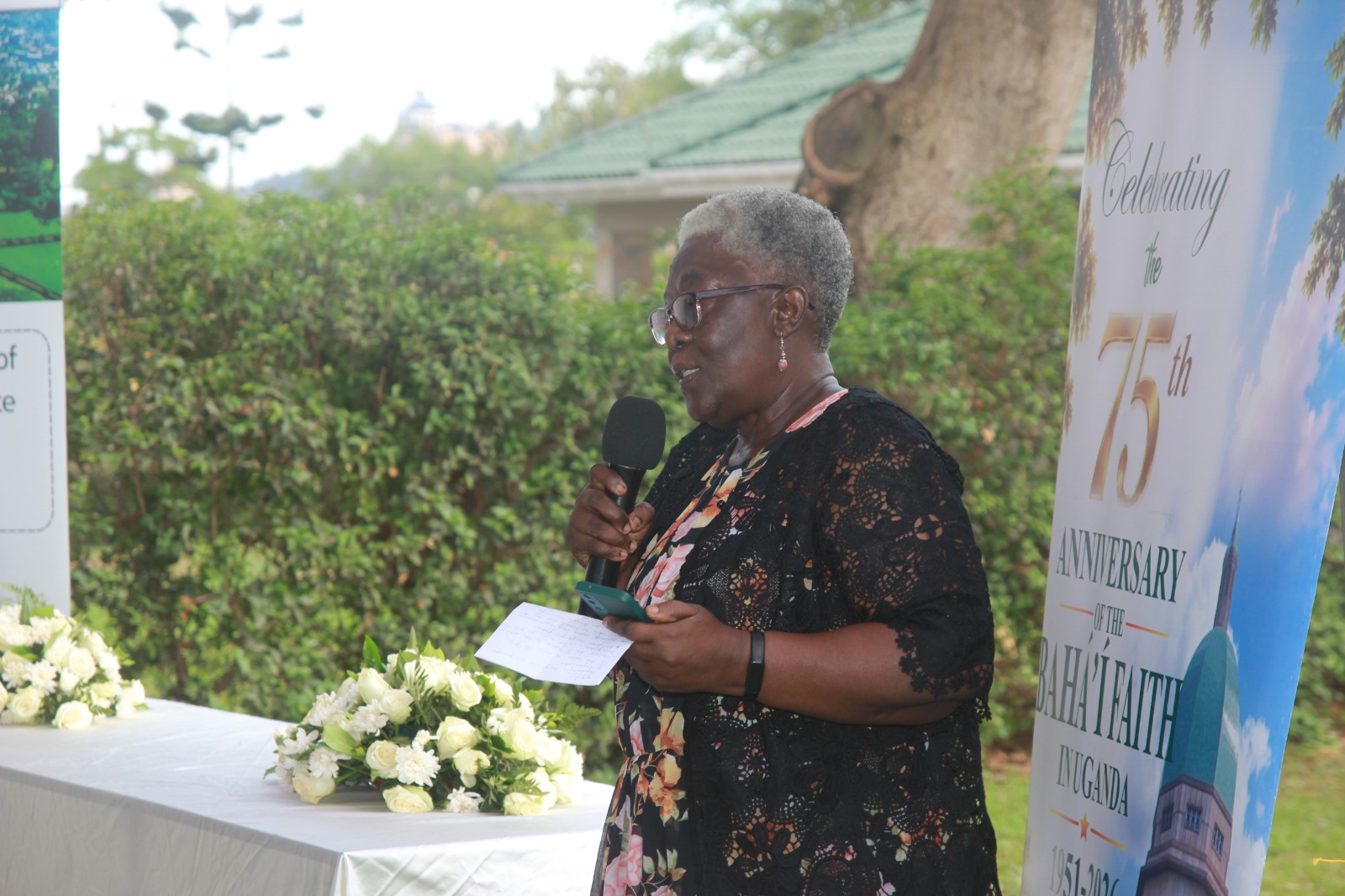
This guiding principle encourages members of the Bahá’í community to engage constructively with the wider society and not only to serve and uplift others, but to contribute to the material and spiritual progress of communities across Uganda.
What Involvement Looks Like
Bahá’ís, individually and collectively, engage in the life of society, working alongside diverse groups to contribute to the material and spiritual advancement of civilization.
Community Well-Being
Bahá’í involvement in social action focuses on efforts that promote the social and material well-being of all people, regardless of background or belief.
These efforts emerge from a spirit of service and learning, and are grounded in the application of Bahá’í teachings to real social needs.
A Shared Endeavour
The Bahá’í community works shoulder to shoulder with individuals, groups and organisations across Uganda striving to serve with humility, listen with openness, and act with integrity, guided by the belief that civilisation advances through both spiritual and material progress.
Engagement in Discourses
Honouring Teso’s Legacy of Learning and Service into the Future
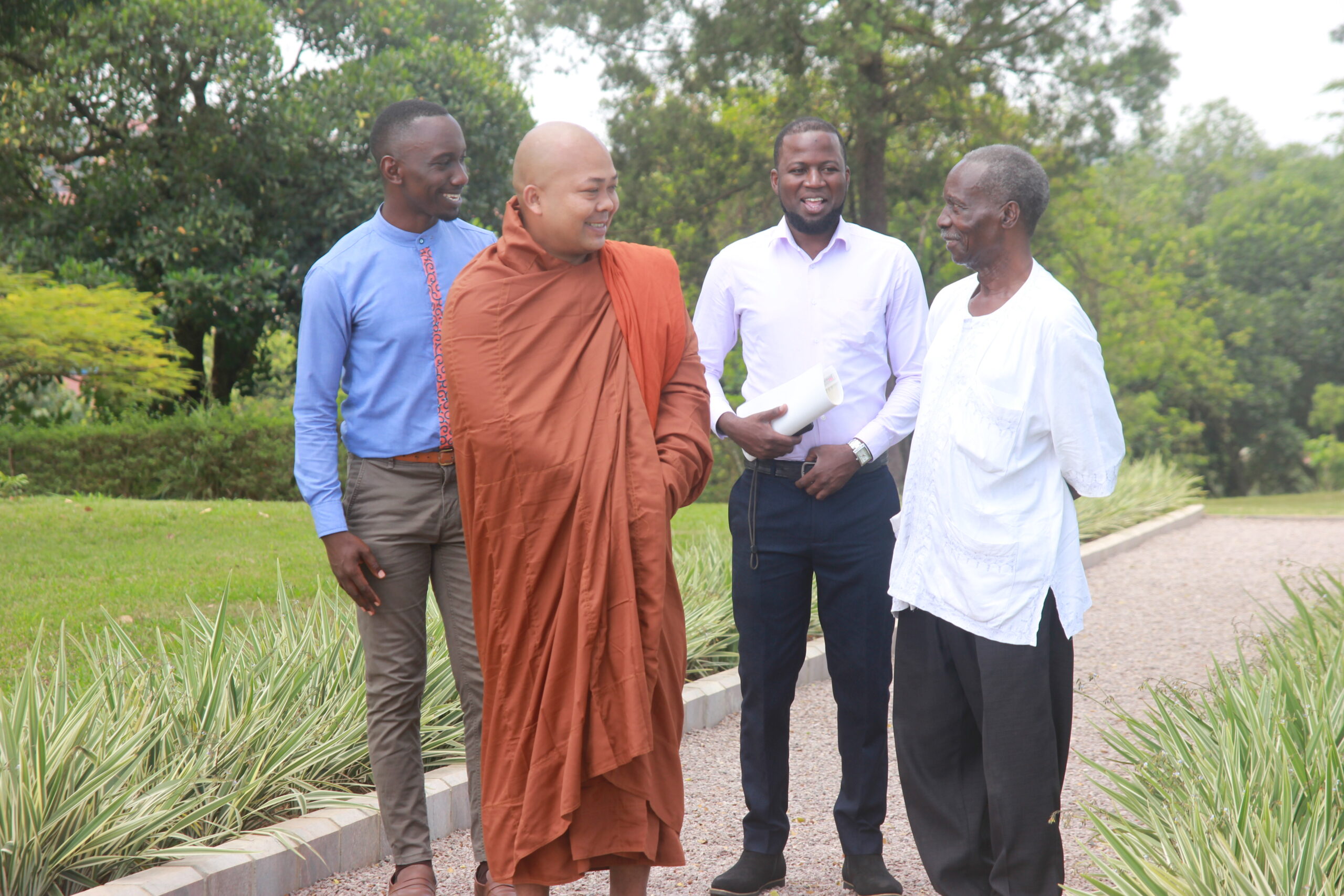
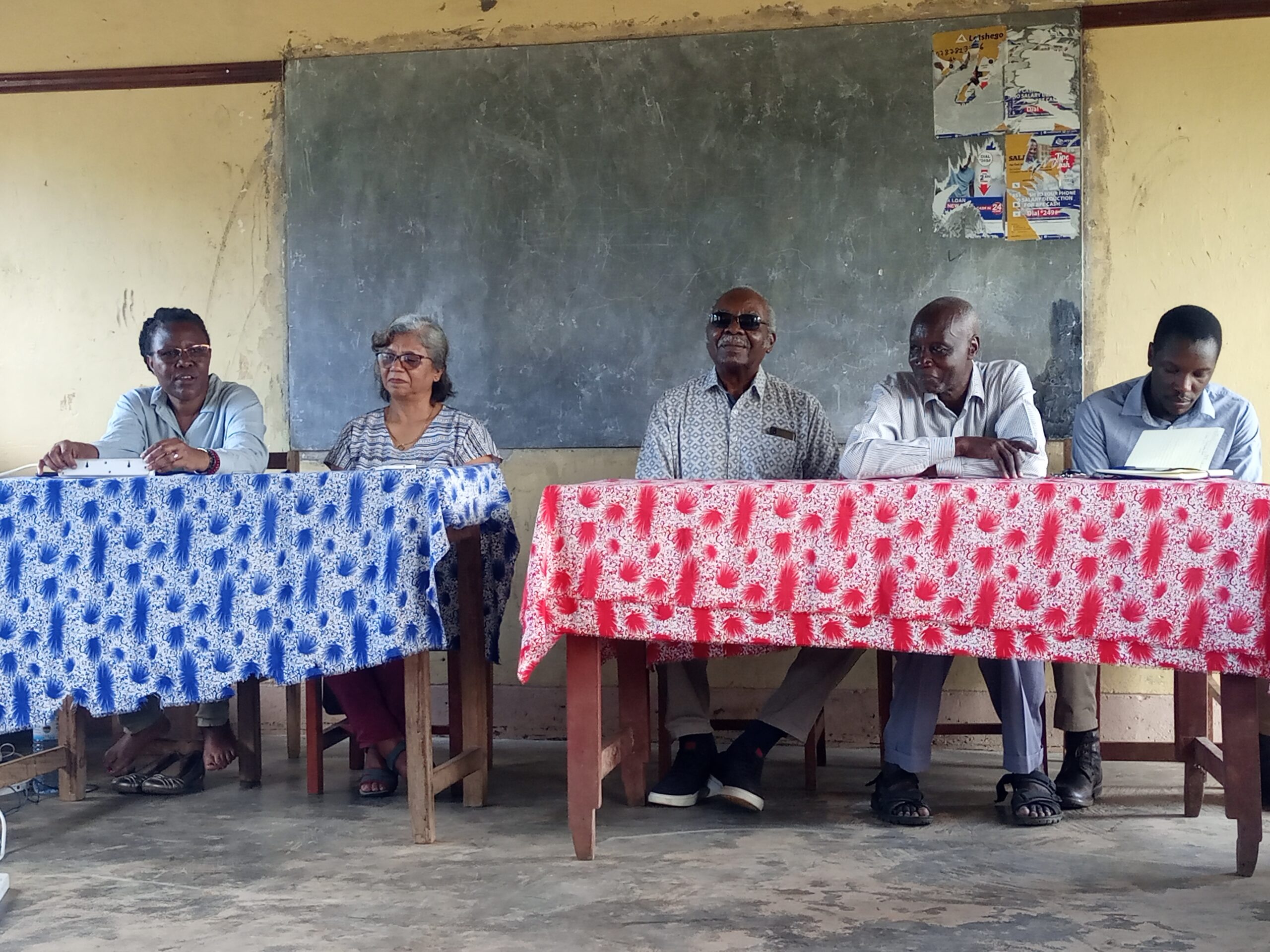
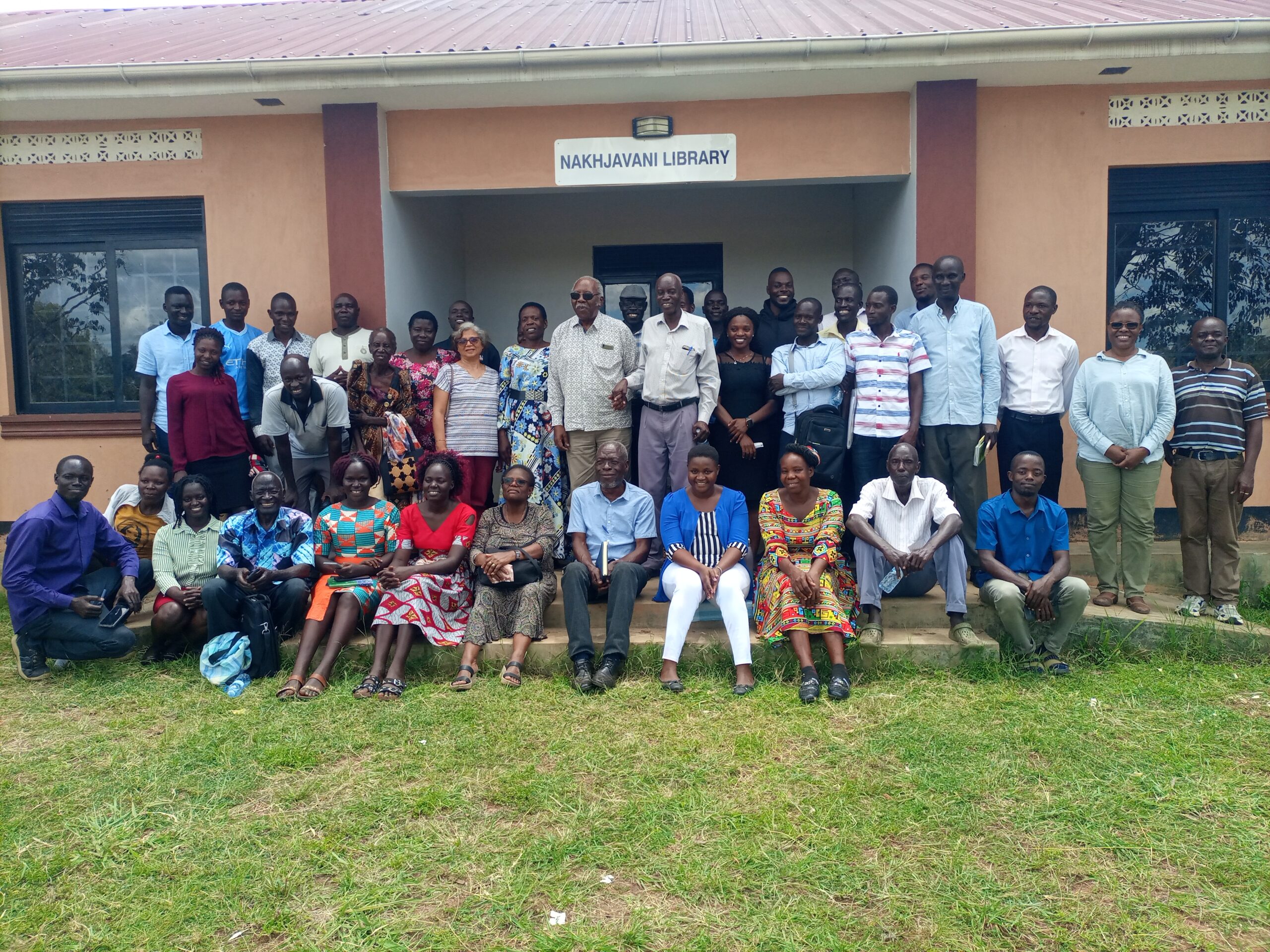
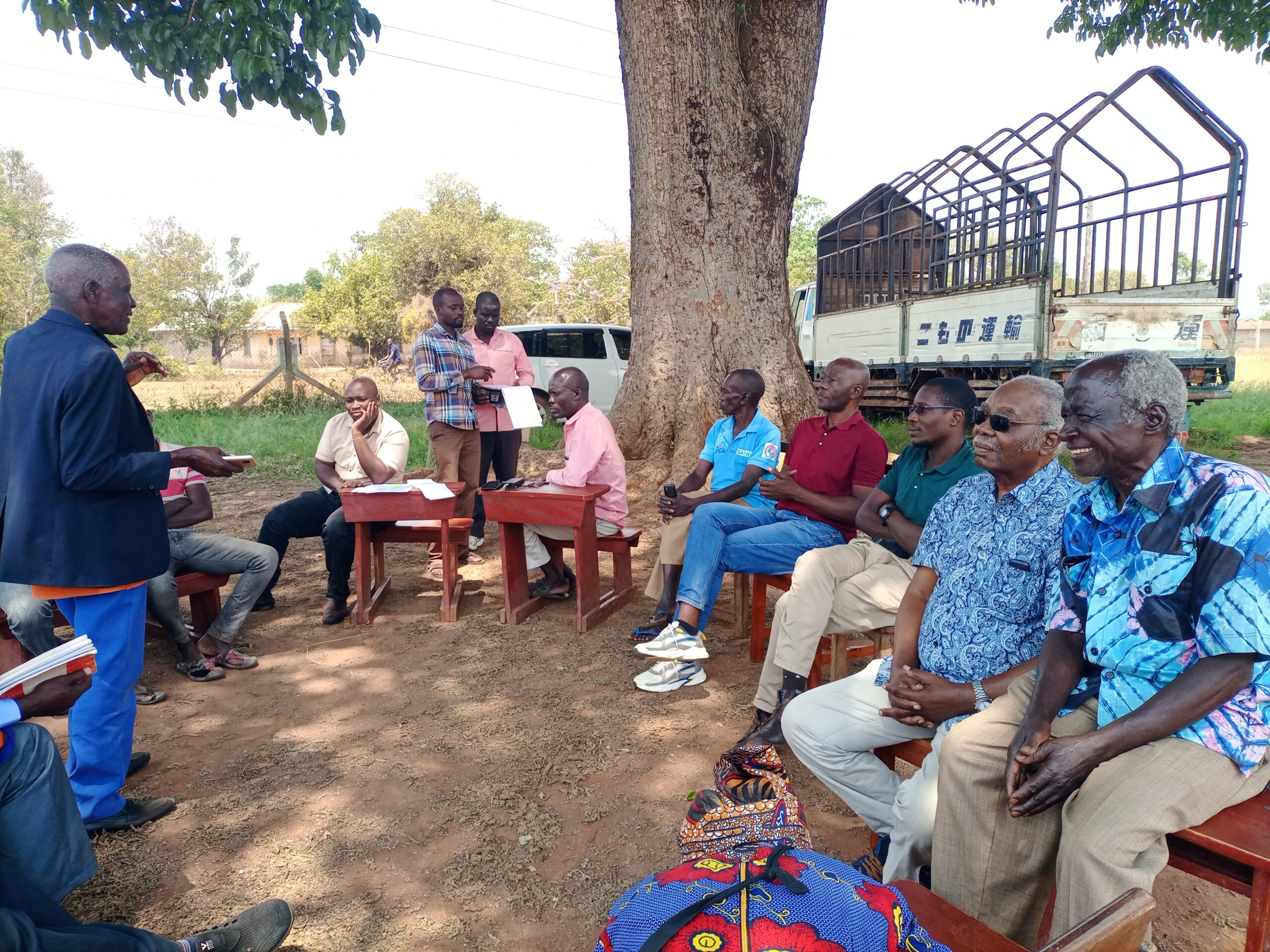
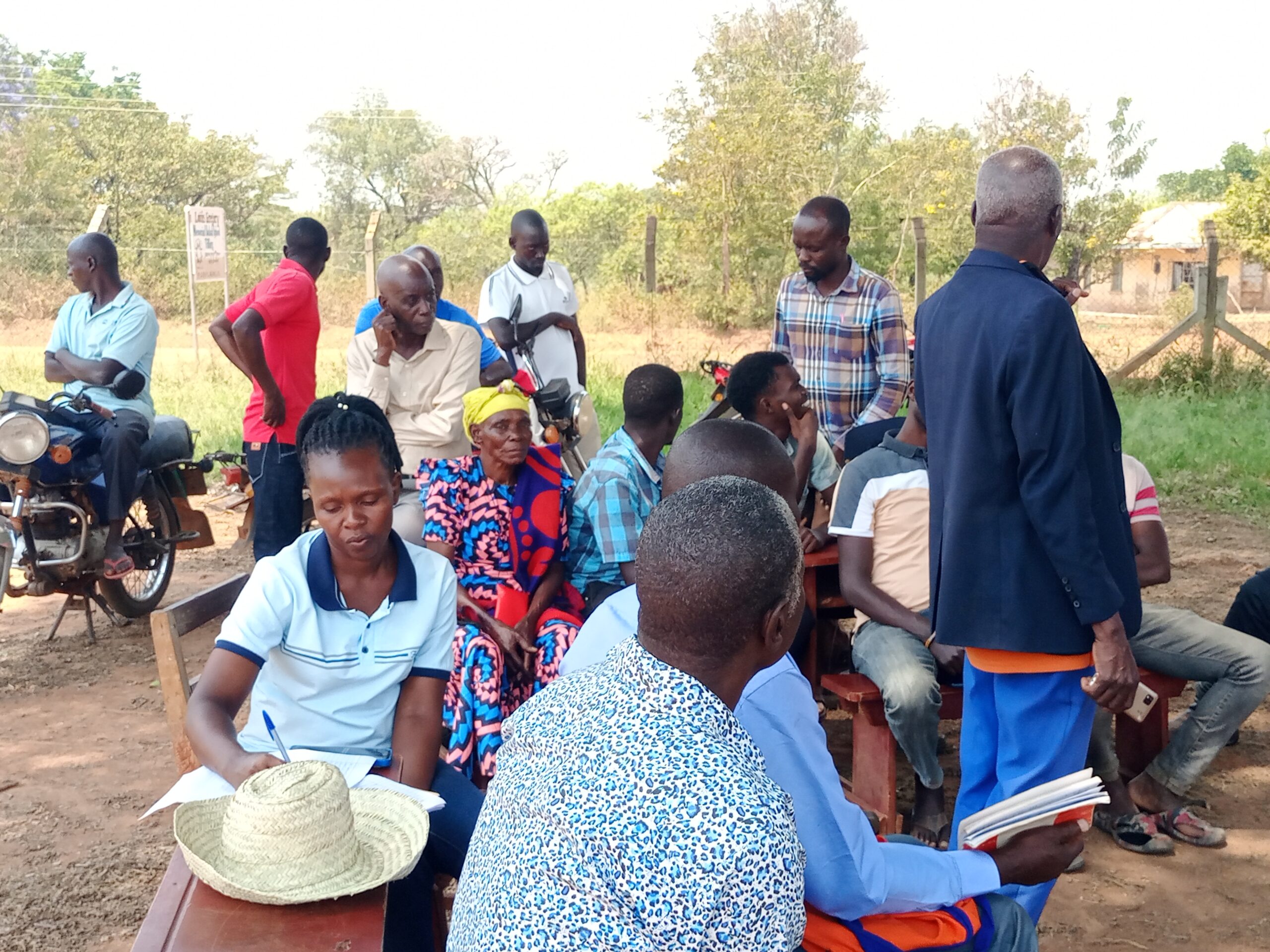
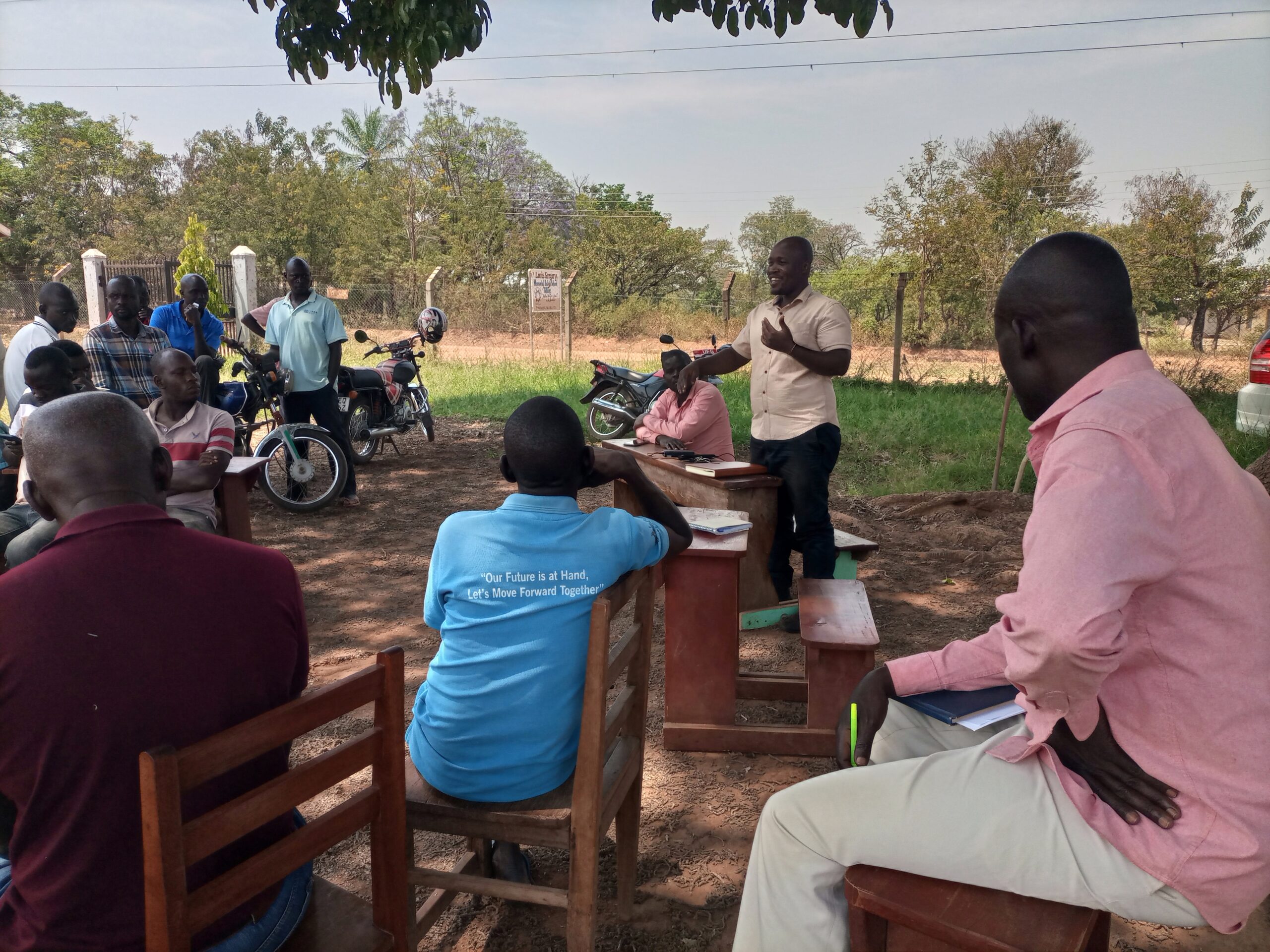
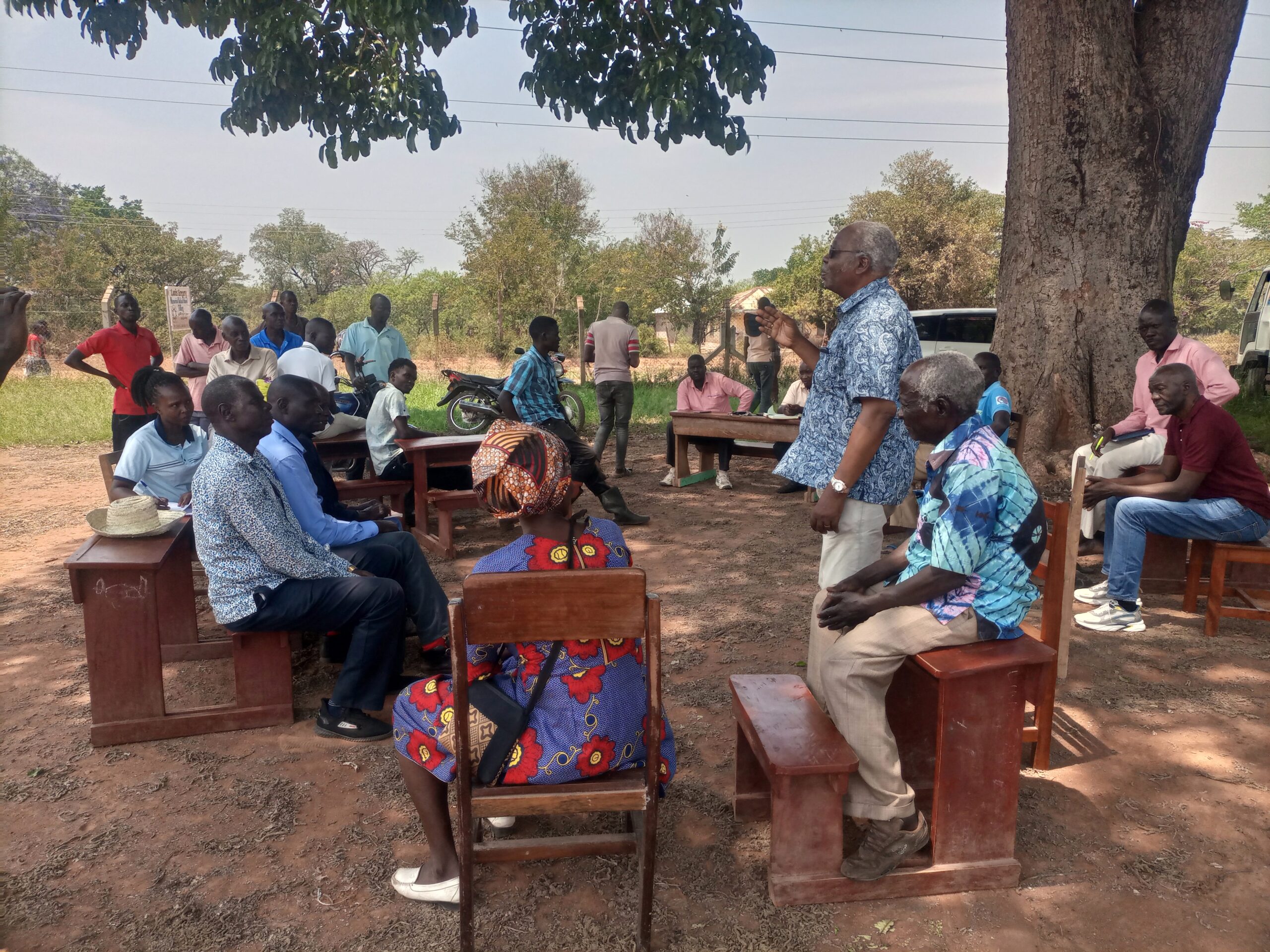
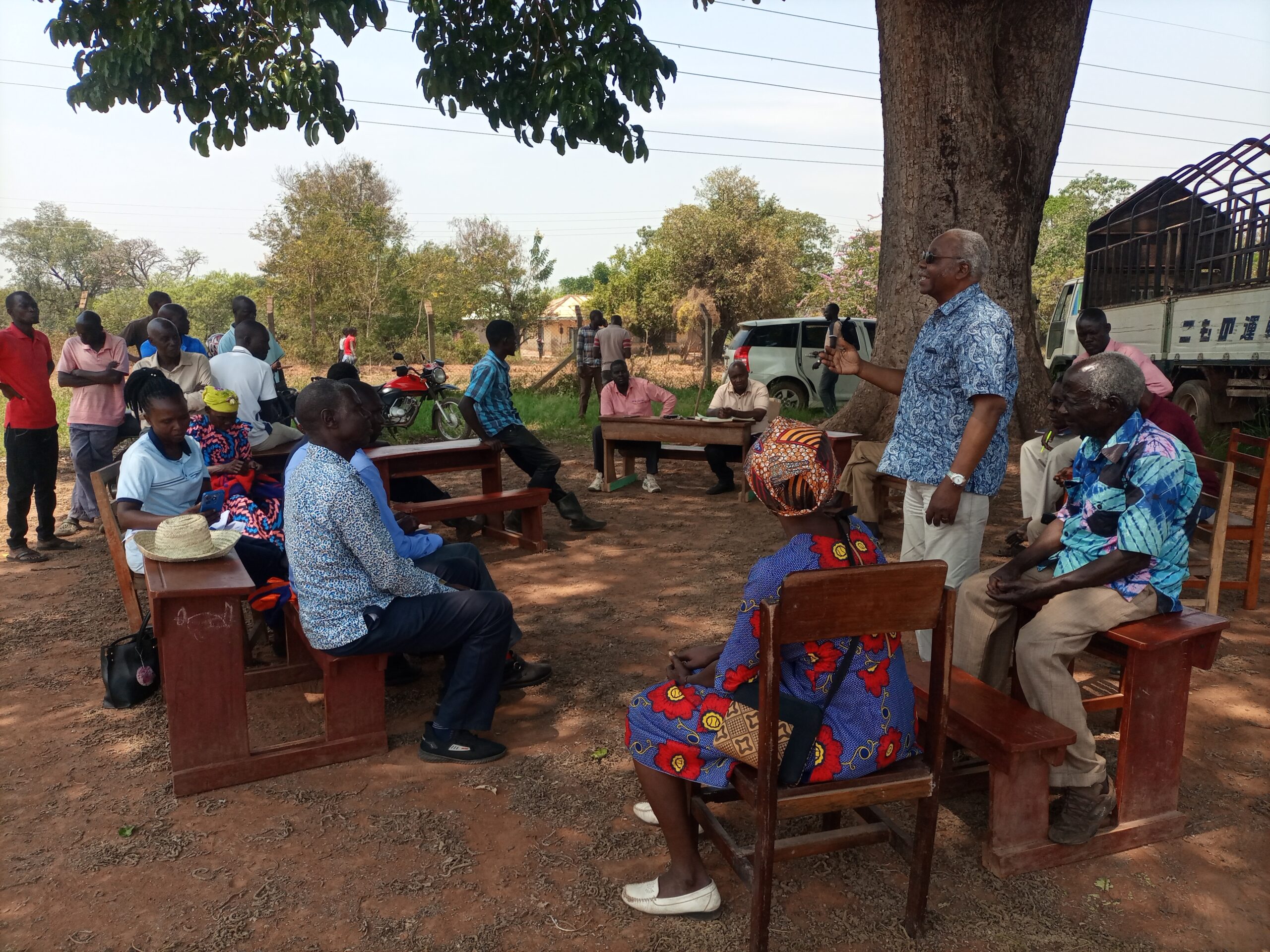
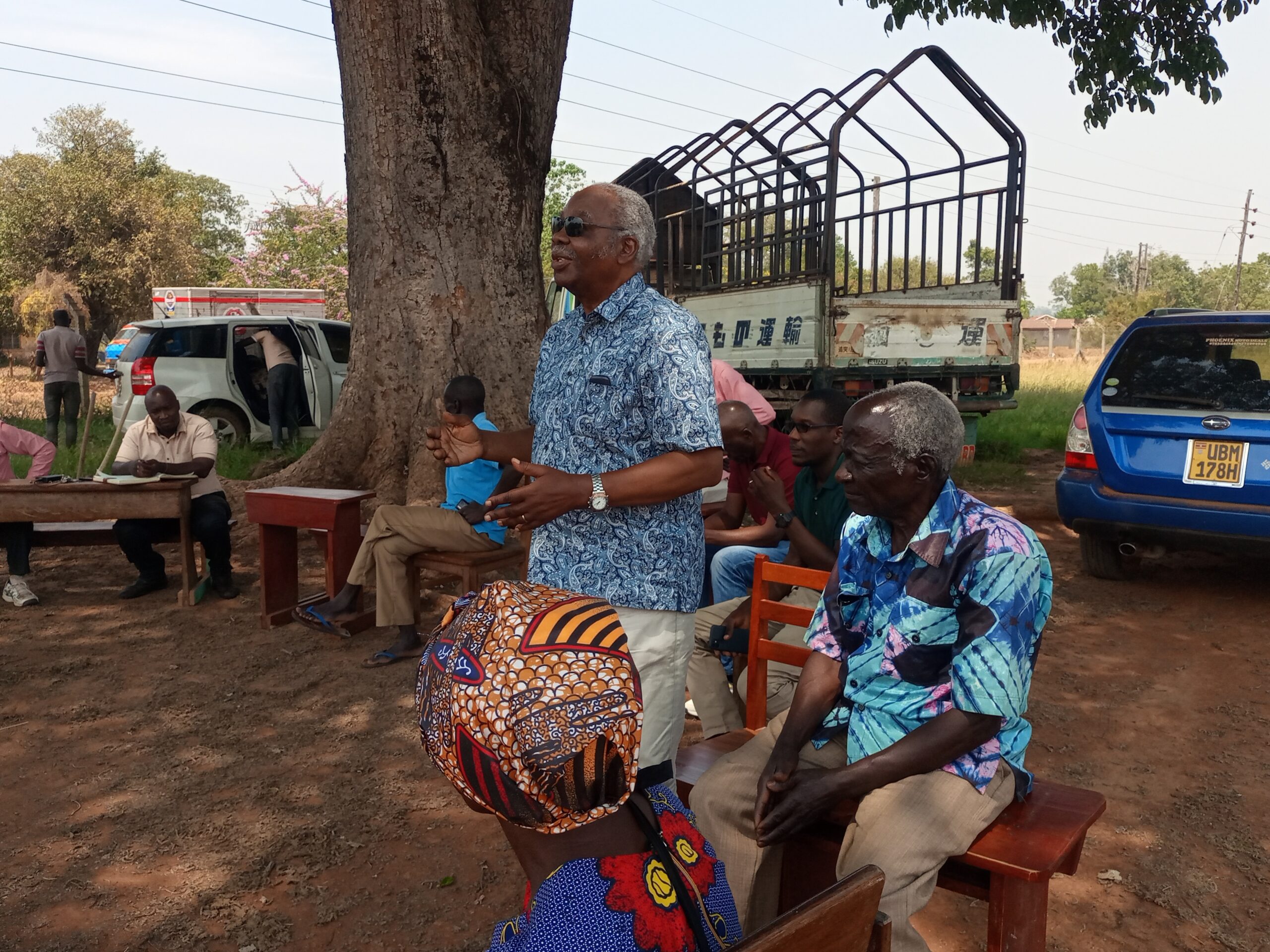
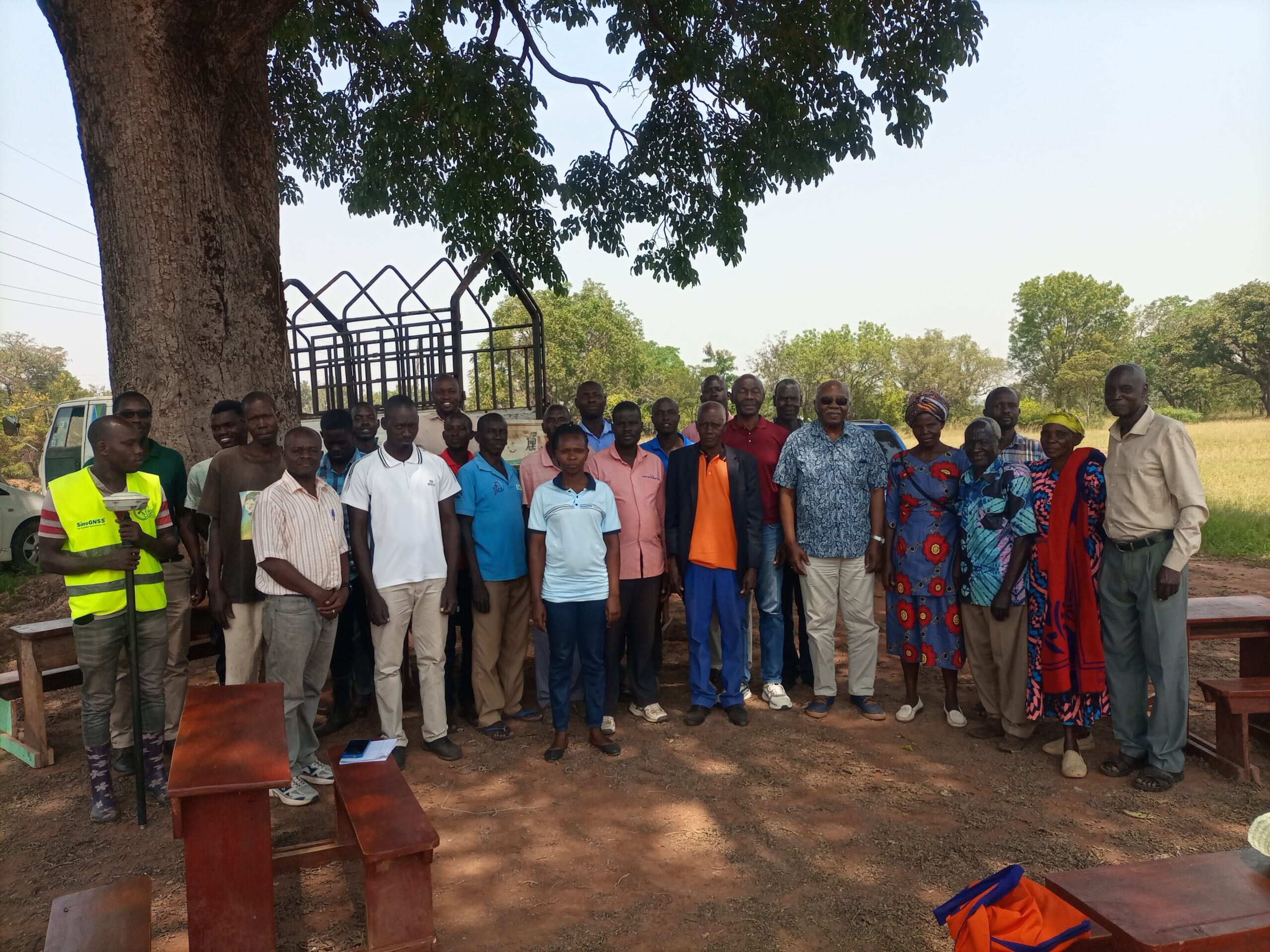
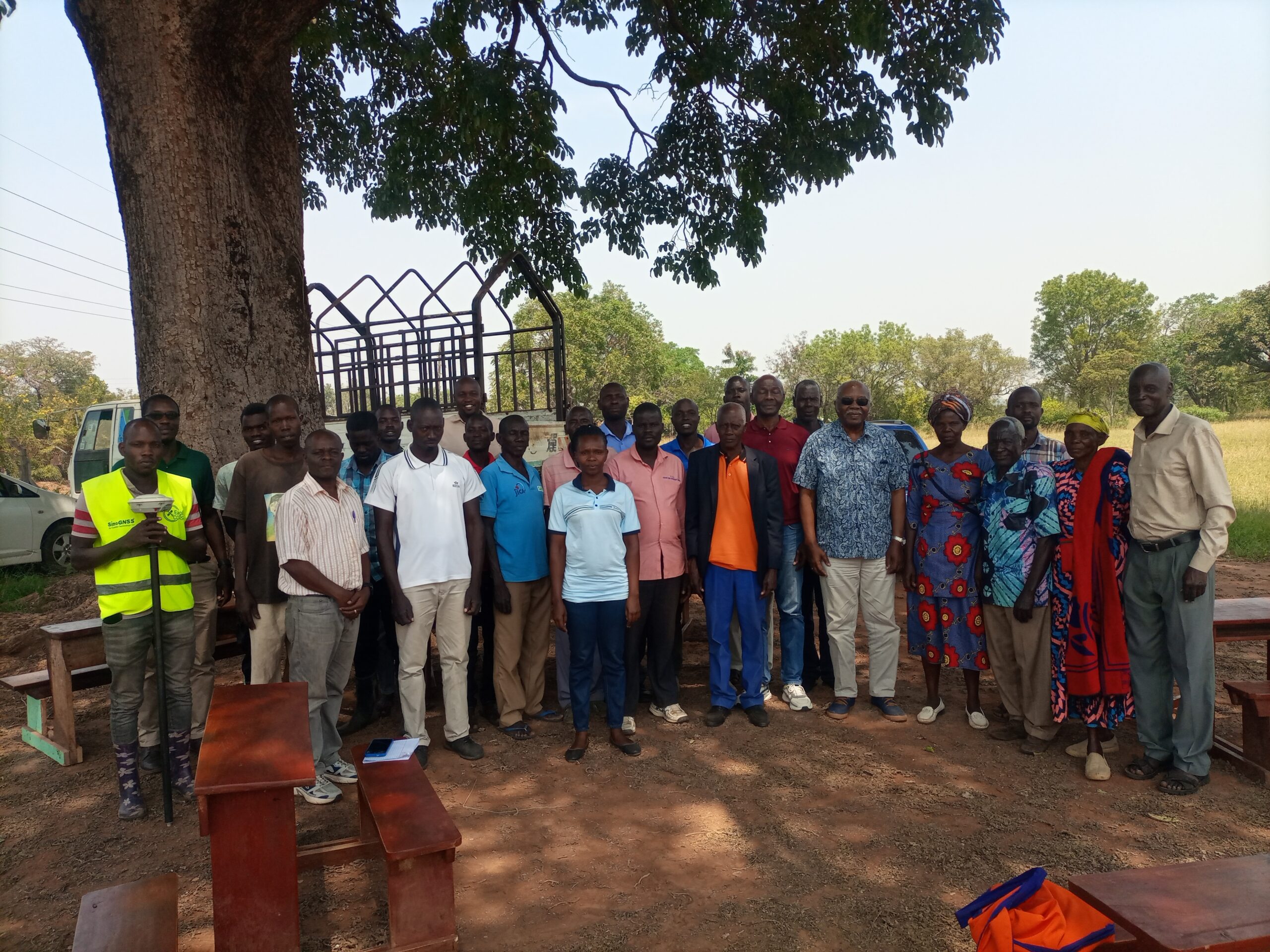
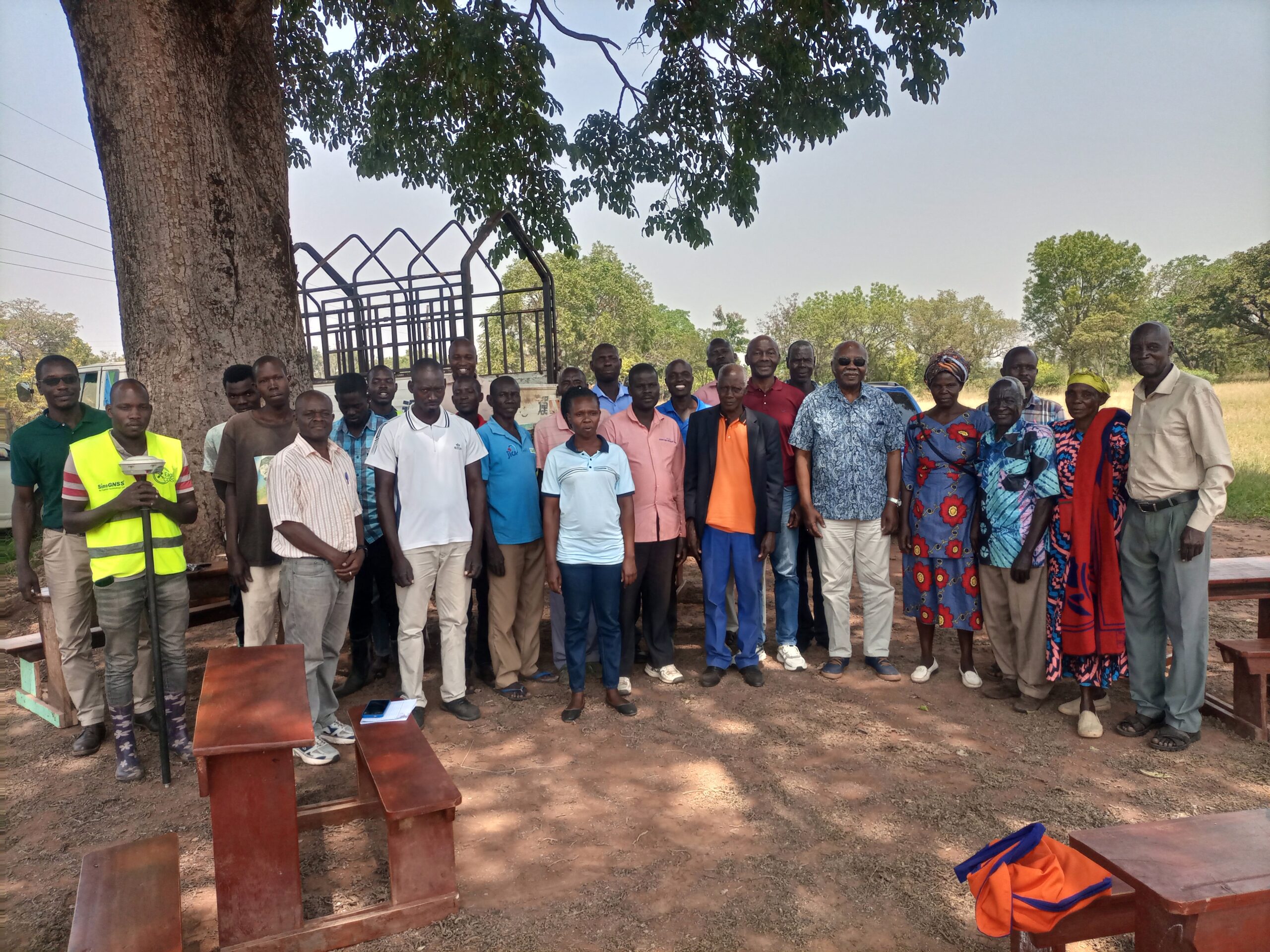
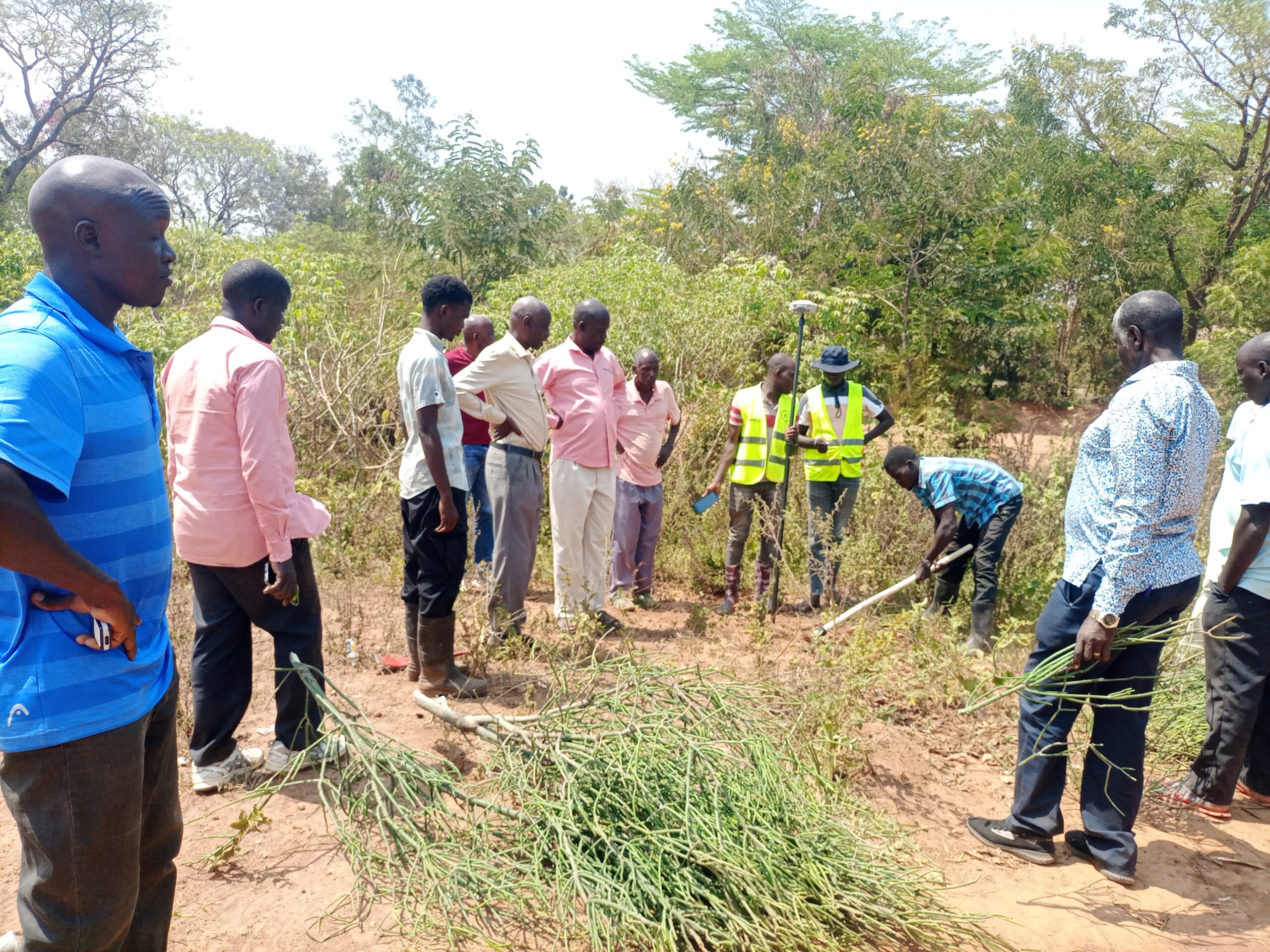
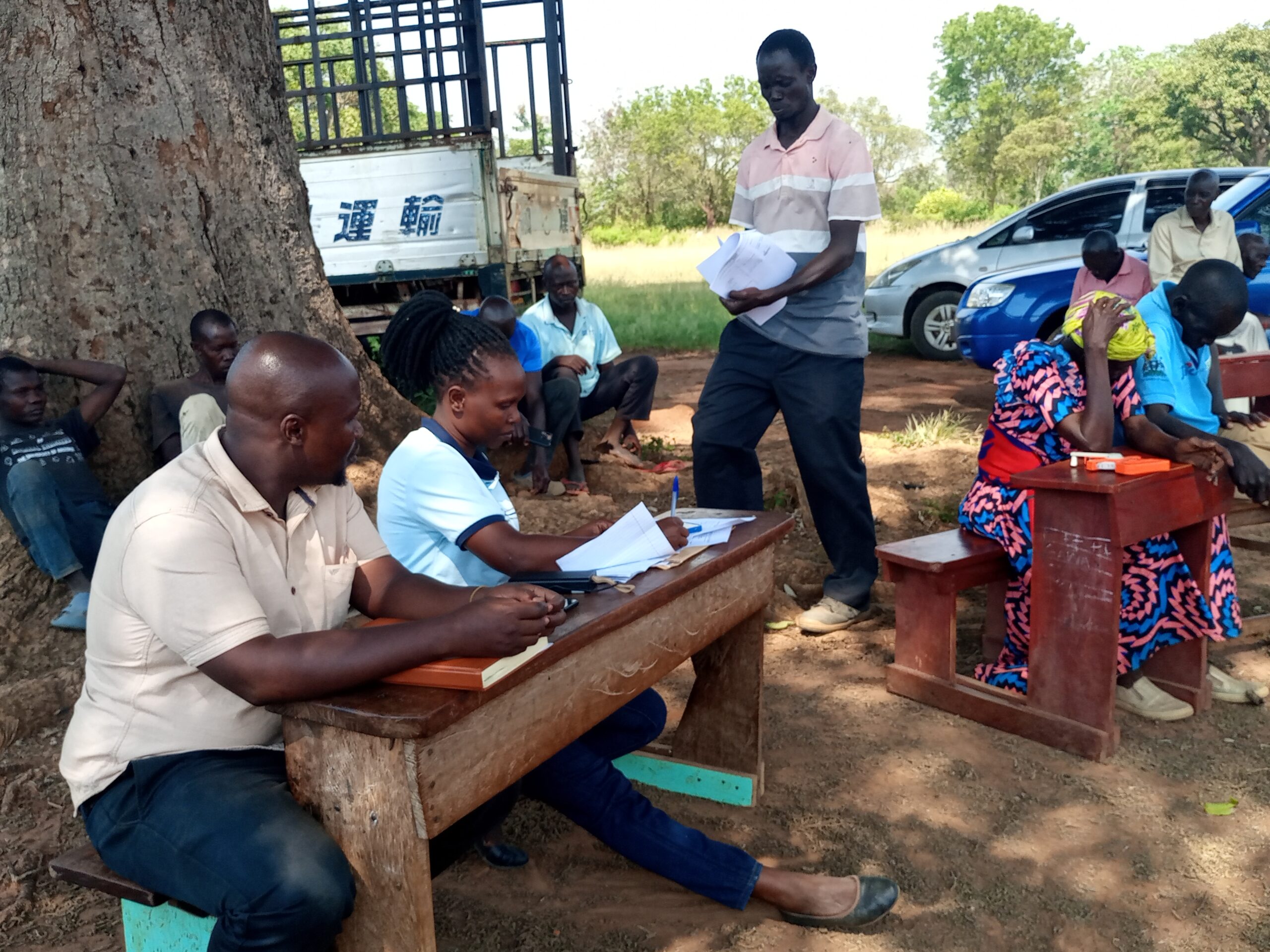
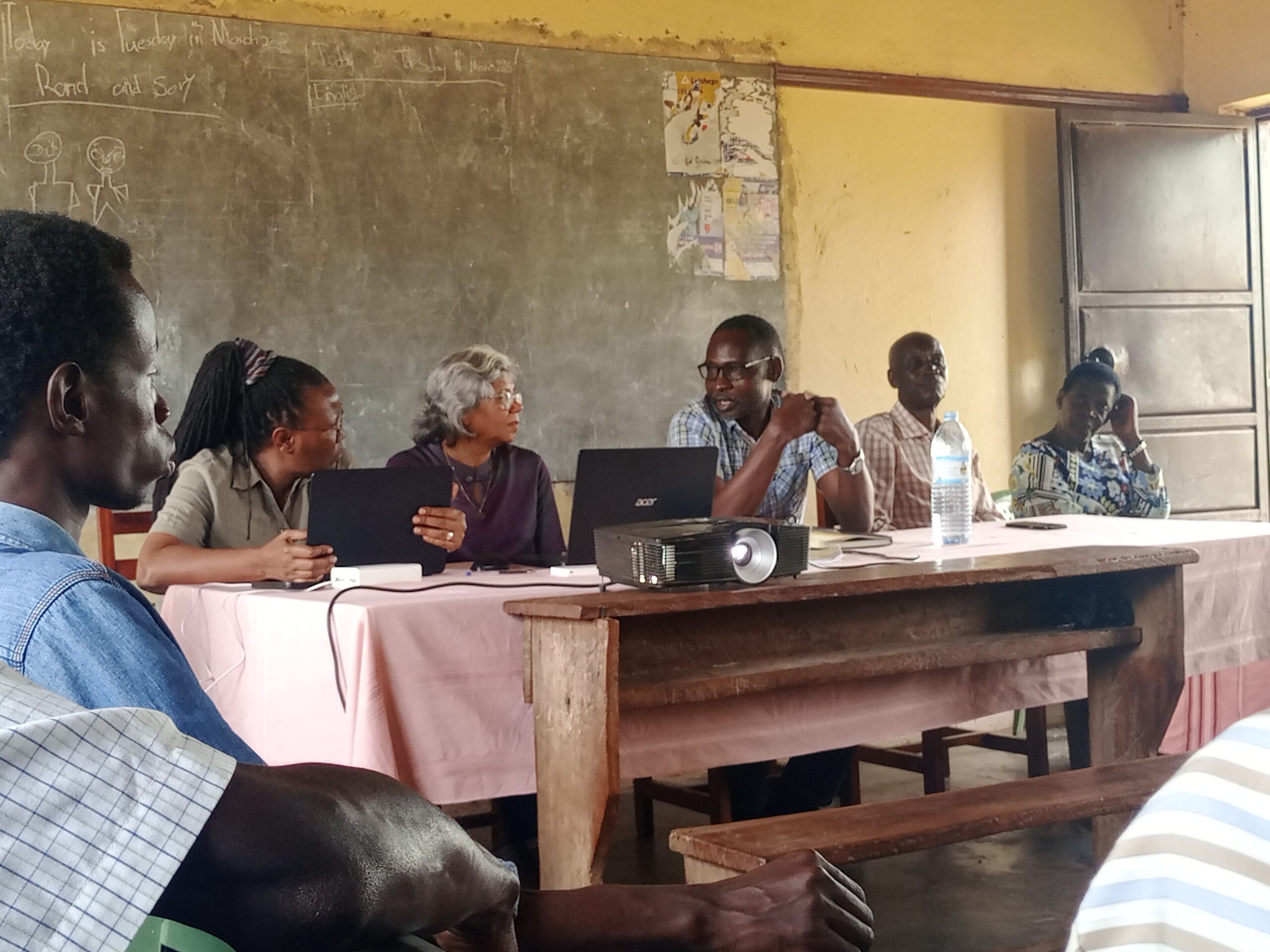
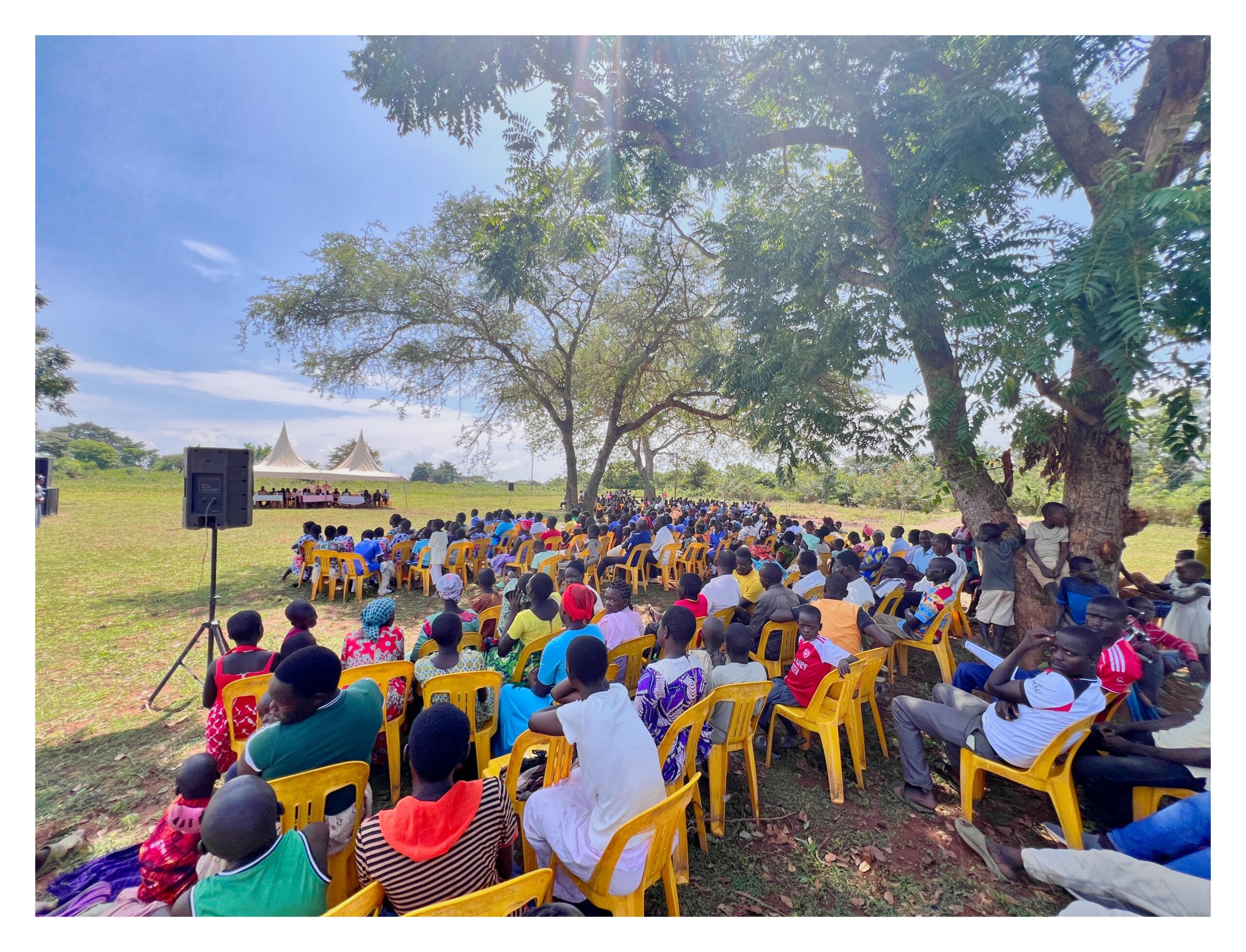
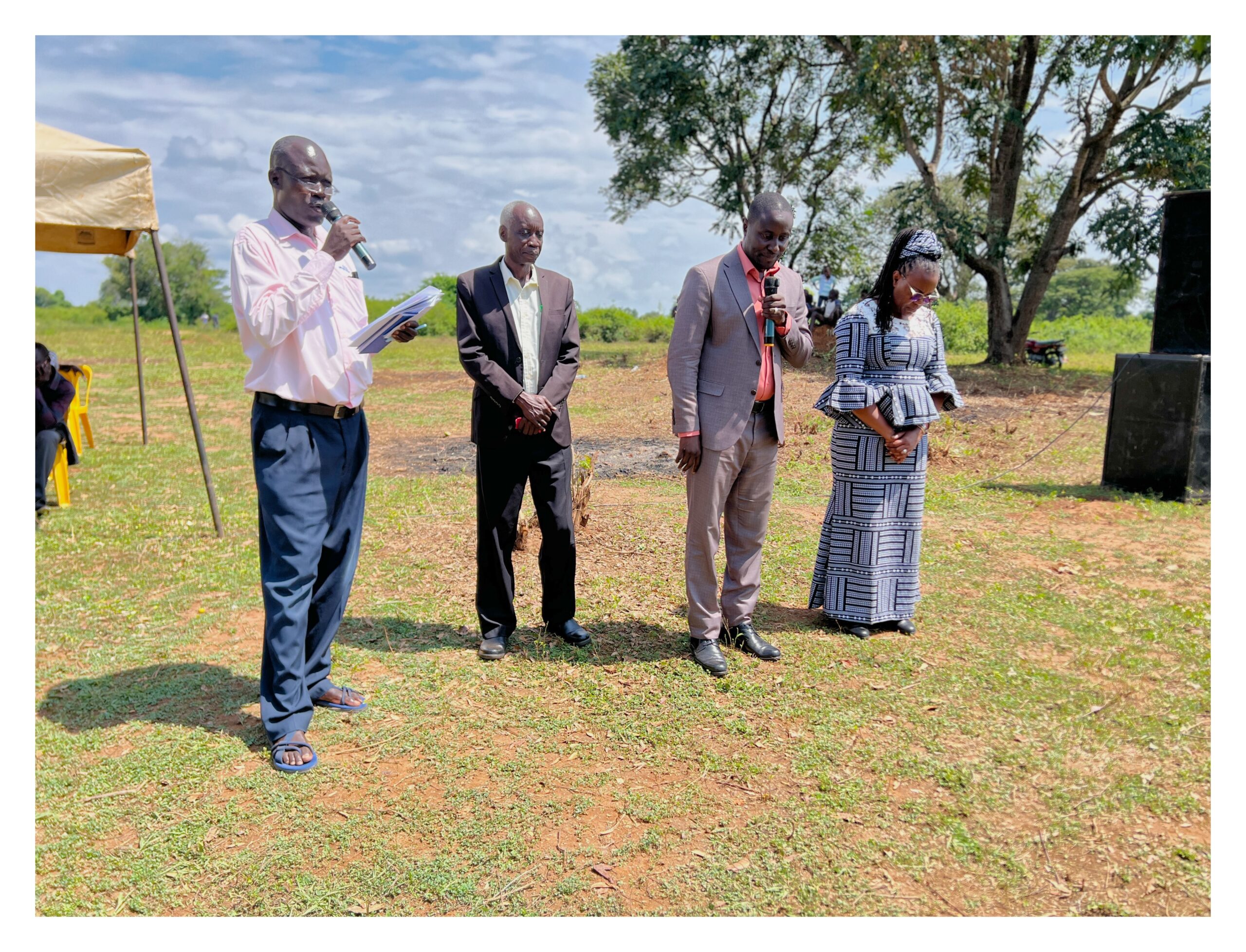
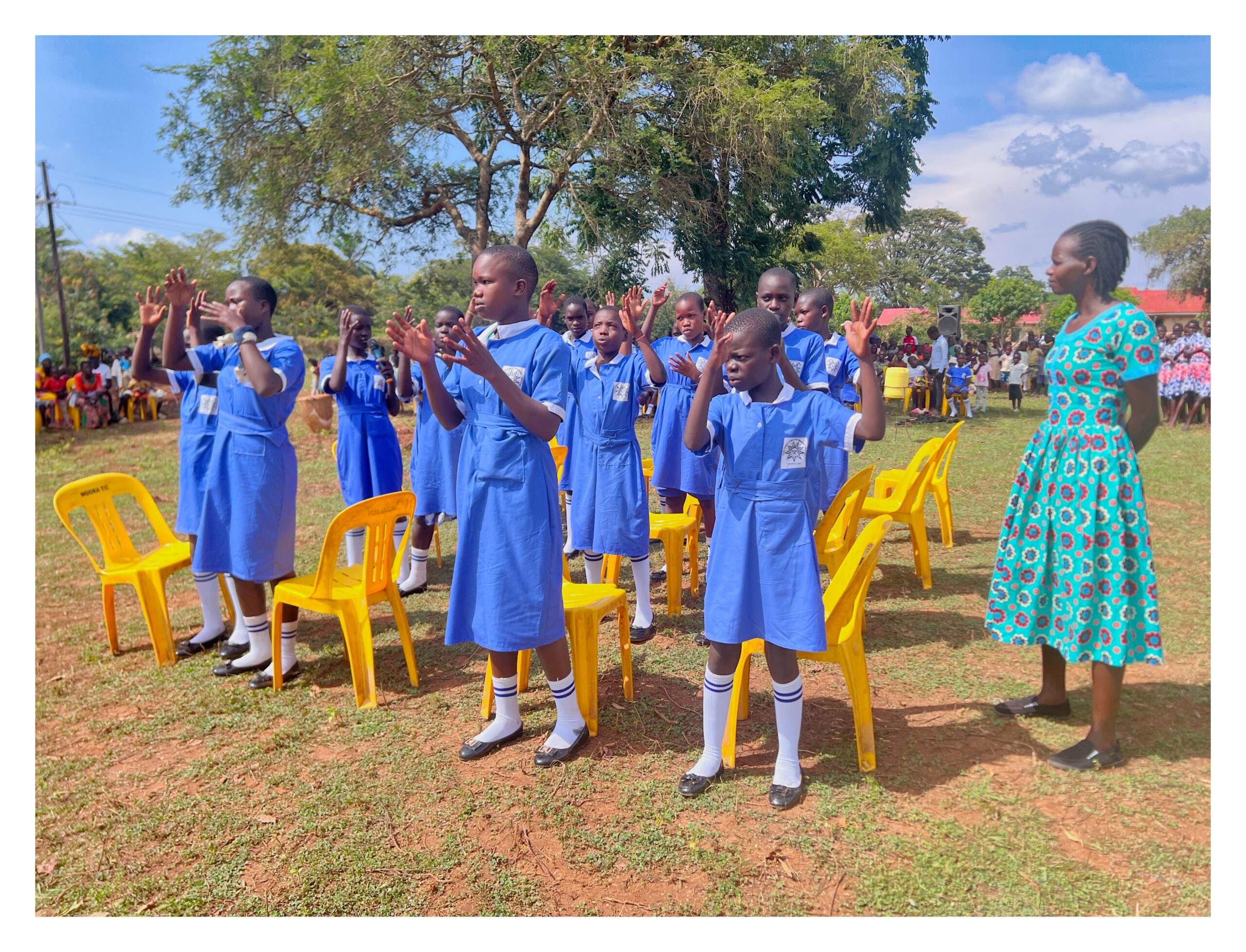
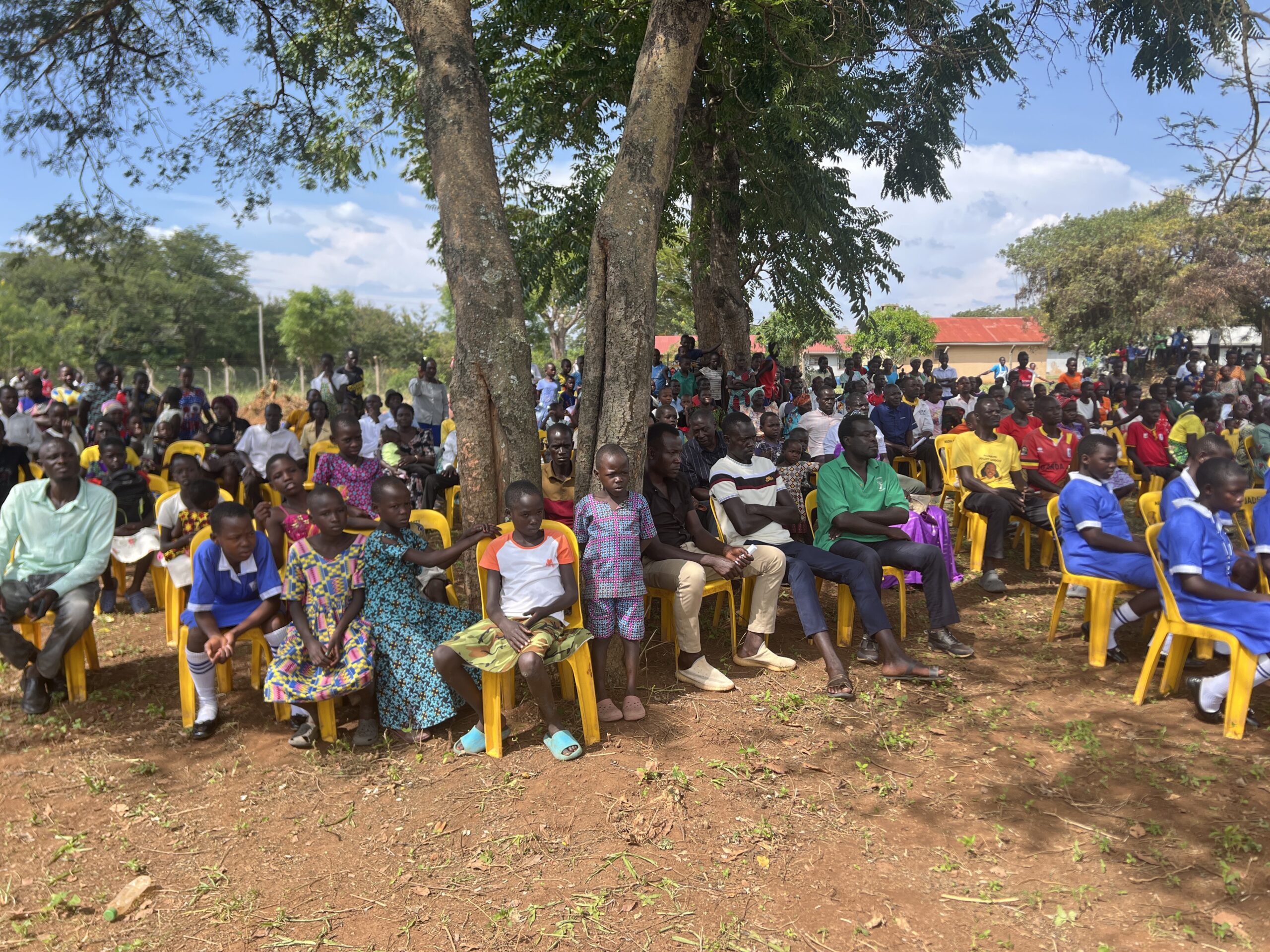
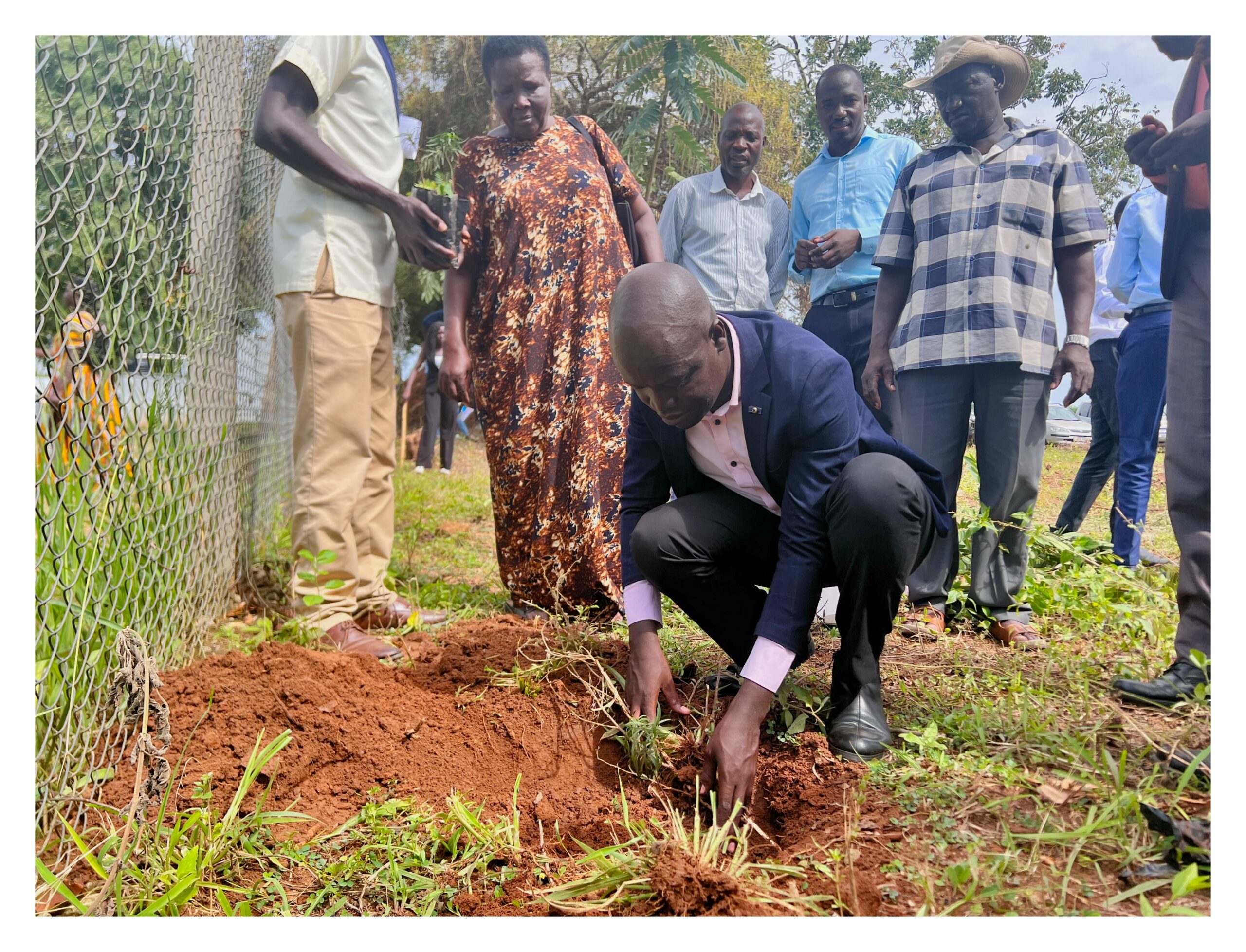
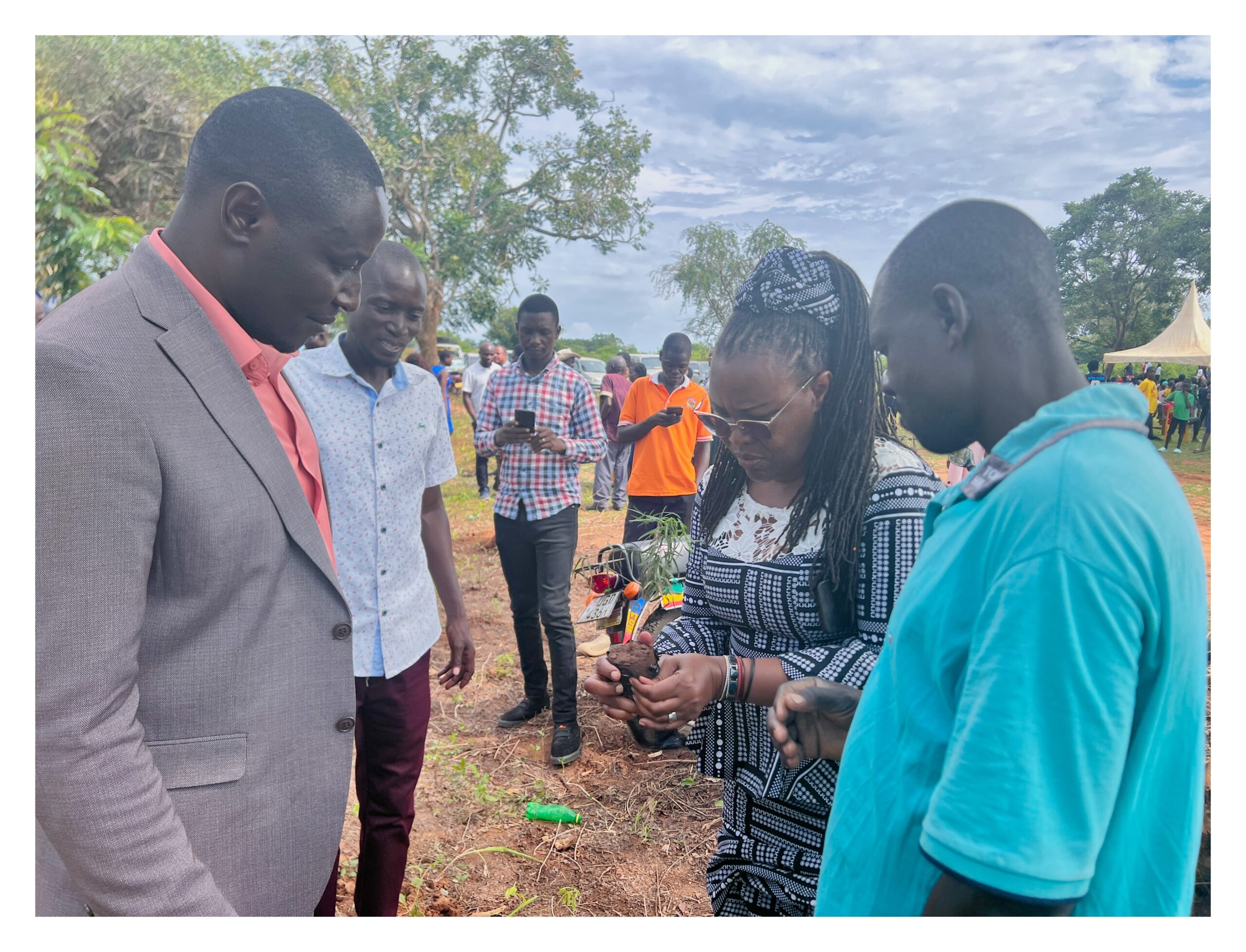
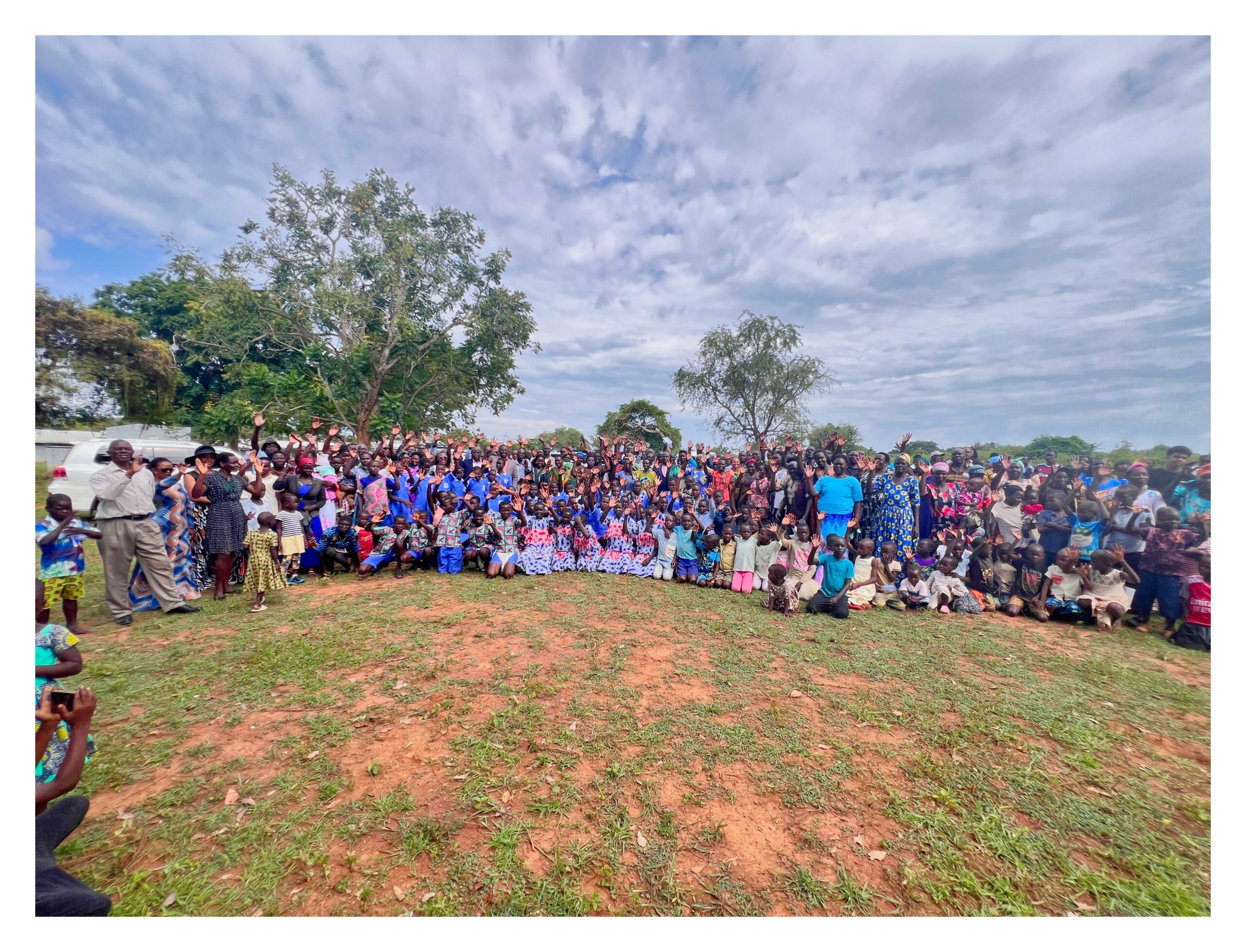
In Ngora, in Uganda’s Teso sub-region, a new chapter is about to begin in a story that stretches back more than seven decades. This October, the ground will be broken for the construction of a Bahá’í Learning Centre, a regional facility envisioned as a place where children, youth and adults can learn, reflect, build friendships and contribute to the wellbeing of their communities. More than a building, the centre represents a growing community’s need for space to nurture human potential and strengthen the foundations of a flourishing society.
Ngora holds a special place in the history of the Bahá’í Faith in Uganda. When the Faith was introduced to the country in 1951, Enoch Olinga, one of the earliest Ugandan Bahá’ís, was among those who embraced its teachings. A son of the Ngora community, Mr. Olinga would later become recognized for his dedicated and selfless service to the Faith. In the years that followed, many people in Teso arose to contribute to the development of their communities and to share the Bahá’í teachings in Uganda and other parts of Africa. This history helped establish a strong tradition of community life and service in the region, a tradition that continues today through educational activities, gatherings for prayer and consultation, and initiatives aimed at improving the social and material conditions of local communities.
As these activities have grown, so too has the need for a dedicated space in which they can take place regularly. Until now, classes for children and youth have often been held in the homes of generous community members, with the local Bahá’í school sometimes providing space during school holidays. While these arrangements have enabled learning to continue, they have also presented challenges. Classes could not always take place consistently throughout the year, and the growing number of participants made it increasingly difficult to find suitable venues for educational activities and regional meetings. The proposed Learning Centre will help address these challenges by providing a shared space where learning and community-building activities can take place more regularly and accommodate the region’s growing needs.
But what happens at a learning centre, and why does it matter? In the Bahá’í community, education encompasses more than the acquisition of academic knowledge. It includes the development of spiritual qualities, moral capabilities, practical skills and an understanding of how individuals can contribute to the advancement of society. Through age-appropriate educational activities, children and youth can develop their capacities, while adults can come together to study, consult on community concerns and explore ways of serving their neighbours. The centre will also provide space for administrative meetings and other activities that support the life of the wider community.
The vision for the centre extends to its physical design. The Bahá’í Writings encourage appreciation of beauty, harmony, cleanliness and refinement as qualities that uplift human life.
“It is natural for the heart and spirit to take pleasure and enjoyment in all things that show forth symmetry, harmony, and perfection. For instance: a beautiful house, a well designed garden, a symmetrical line, a graceful motion, a well written book, pleasing garments—in fact, all things that have in themselves grace or beauty are pleasing to the heart and spirit….”
The Writings further explain the importance of these qualities in everyday life:
“…in every aspect of life, purity and holiness, cleanliness and refinement, exalt the human condition and further the development of man’s inner reality. Even in the physical realm, cleanliness will conduce to spirituality, as the Holy Writings clearly state. And although bodily cleanliness is a physical thing, it hath, nevertheless, a powerful influence on the life of the spirit.”
Guided by these principles, the centre is expected to be modest and dignified, blending with its surroundings. Plans include a multipurpose hall, kitchen and dining facilities, administrative offices, a modest caretaker’s residence, and dormitories for women and men. These facilities will support the educational, devotional and community activities that the centre is intended to host.
The development of the centre is also an expression of collective ownership and service. The land has been donated by local beleivers, while financial and material resources are being contributed by individuals and communities across Uganda and other parts of the world. Local residents are eager to contribute their labour to the construction and will play an ongoing role in maintaining and beautifying the centre once it is established. Guided by the institutions of the Bahá’í community at the local, regional and national and international levels, this shared effort brings together people with different capacities but a common purpose: creating a space that will serve the community for generations.
In updating the national community on the developments underway, the institution governing the affairs of the national Bahá’í community called upon the believers:
“With these efforts already underway, we encourage all the believers in the country to once again seize this opportunity to sacrificially contribute in cash or in-kind towards this noble cause.”
Construction will begin with the groundbreaking ceremony in October 2026 and is projected to take approximately ten months. The completion of the centre will mark an important step in responding to the growing needs of the Ngora cluster and the wider region.
Ultimately, the significance of the Ngora Learning Centre will lie not only in its physical structure, but in what people will learn and do within it. A child discovering the joy of learning and developing spiritual qualities like generosity, kindness, and love for humanity, a young person developing a sense of purpose, or neighbours coming together to find solutions to shared challenges are all part of the vision it seeks to support.
By providing a place where education, reflection, cooperation and service can flourish, the centre aspires to strengthen the capacity of individuals and communities to contribute to their own progress and to the wellbeing of society. Its foundations will be laid in Ngora, but the hope it represents reaches far beyond the walls of a single building.
Vanishing Footprints: Why the Snow Leopard's Fate May Foretell Our Own
The unprecedented global decline in biodiversity is symptomatic of the nature of our relationships with each other and the natural world. As the remaining snow leopards stalk the melting snow caps and glaciers of the high mountains of Asia, they remain oblivious to the impending loss of their habitat, let alone grasp the implications of climate change on human society. Similarly, humanity – while possessing greater powers of perception and with all the contemporary powers of science at its disposal – seems to be just as oblivious to the dangers that lie ahead and is walking into a future it has engineered but refuses to see.
“The animal is the captive of nature and cannot transgress the rules and laws thereof. In man, however, there is a discovering power that transcendeth the world of nature and controlleth and interfereth with the laws thereof.” – from the Bahá’í Writings
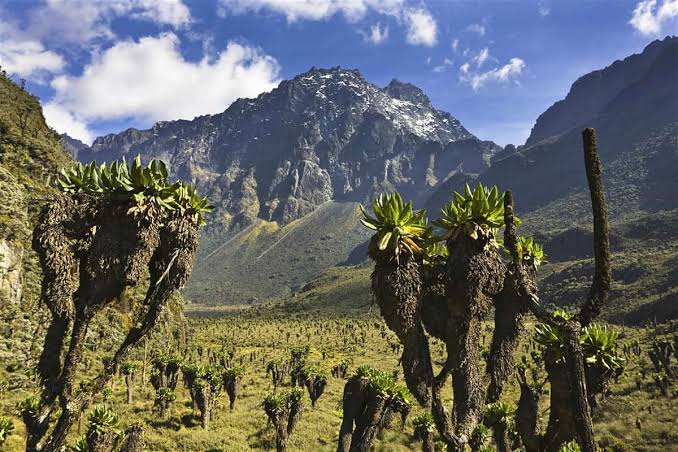
This agency imposes an inescapable duty upon man as a custodian of the planet at all levels from the international to the grassroots. The recent tragic events in Nepal involving a collapsing glacier are a little too close to home when we consider that the Rwenzori Mountains in Western Uganda have lost up to 80% of their ice since the early 20th Century, threatening floods and mudslides, a decrease in water security and the long-term biodiversity, cultural and economic loss.
“Never indeed have there been such widespread and basic upheavals, whether in the social, economic or political spheres of human activity as those now going on in different parts of the world. Never have there been so many and varied sources of danger as those that now threaten the structure of society.” – from the Bahá’í Writings
The urgency of the times requires that all the three protagonists – individuals, institutions and communities – are empowered to meet the challenges that face society, our interdependence demands it.
“These three constant protagonists … each have a part to play, and each one has capacities and qualities that must be developed. However, each is incapable of manifesting its full potential on its own. It is by strengthening their dynamic relationships with one another that their powers are combined and multiplied.” – from the Bahá’í Writings
“The foundation of life and existence is cooperation and mutual aid, whereas the cause of annihilation and deterioration is the cessation of aid and assistance.” – from the Bahá’í Writings
Will the snow leopards inevitably become ghosts that haunt the mountains or will posterity look back in gratitude remembering that their ancestors did everything in their power to preserve our world?




The relationship between food, poverty and human identity
“The well-being of mankind, its peace and security, are unattainable unless and until its unity is firmly established.”
(Gleanings from the Writings of Bahá’u’lláh, p.286)
Despite adequate food production levels around the world, food security remains one of the most elusive aspects of the Millennium Development Goals and the Uganda Vision 2040. While the global food surplus is enough to feed 10 billion people, up to 30% of all food produced is wasted. Approximately 2.1 billion people or 25.8% of the global population experience moderate to severe food insecurity.
While many live in poverty and cannot afford food, others are displaced by war and logistics and infrastructure are lacking in many countries, one can argue that the limitations inherent in current food distribution systems do not arise from a lack of means but from our conceptions of human identity, conceptions which have fragmented society and thus weakened our capacity for collaboration and
mutual support and instead are strengthening competition and division, resulting in widespread mistrust, isolation and apathy.
The idea that we can only satisfy our needs and wants at the expense of others and a lack of contentment is an identity rooted in consumerism and which results in a pattern of relationships that are exploitative in nature. While at certain points in history it seemed that this conception of human nature would alleviate the misery of the masses, it is now evident that the extremes of poverty and wealth are only widening, and if left unchecked will only result in growing social instability and insecurity.
A broader conception of human identity, that acknowledges material needs and wants without
reducing people to mere consumers or social animals in competition requires us to examine and acknowledge the qualities of mind and heart that are universal to all humanity and transcend origin, class, race and nation – qualities which are the common foundation of humanity and upon which we can build a world that is more equitable and just.
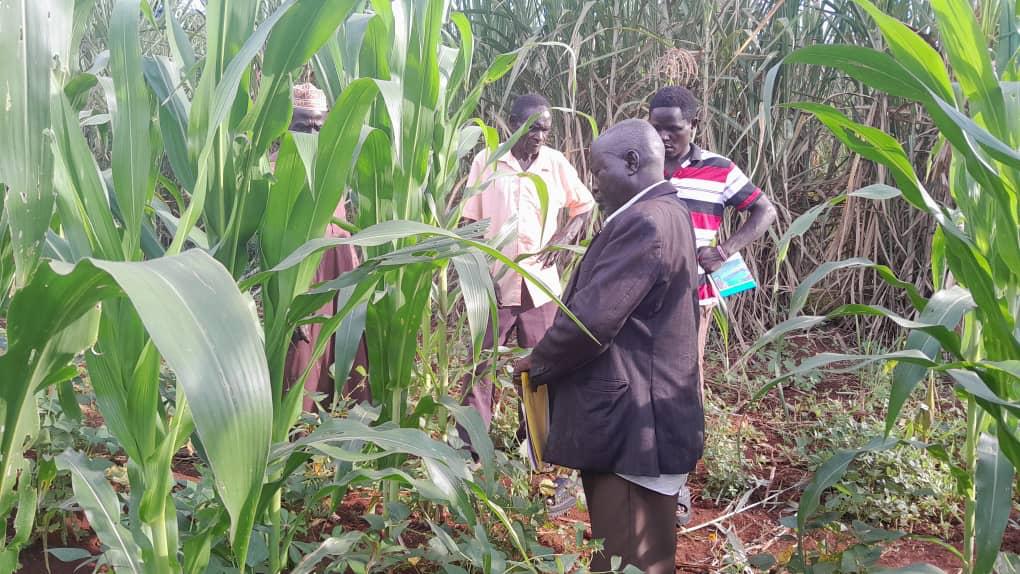
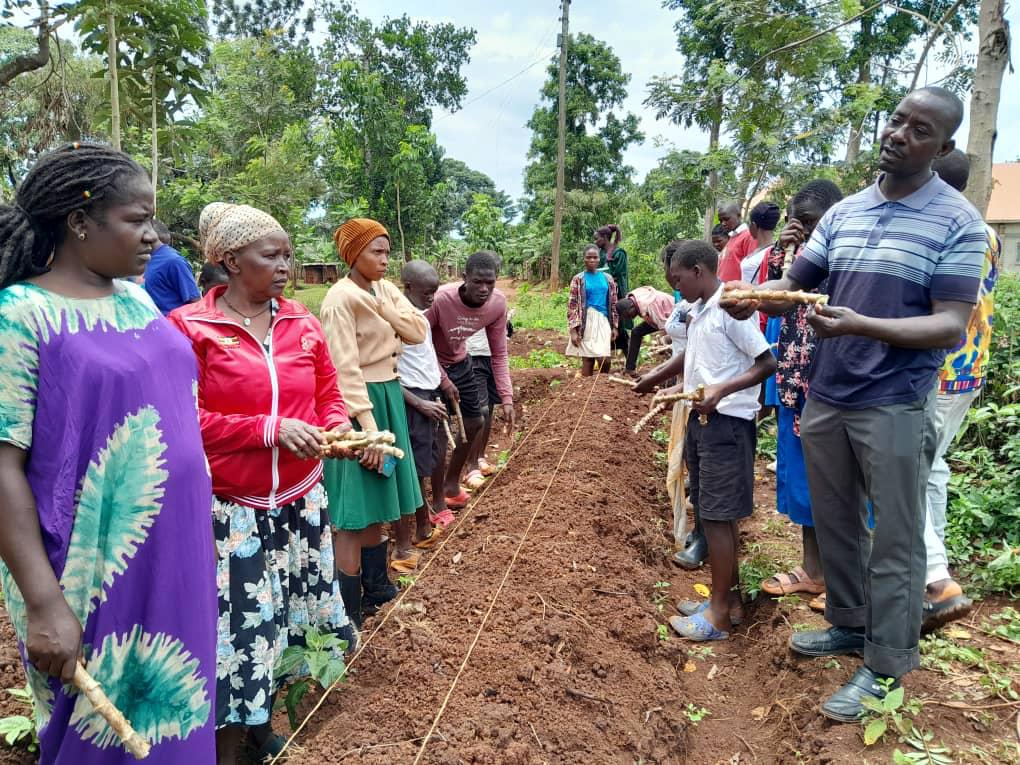
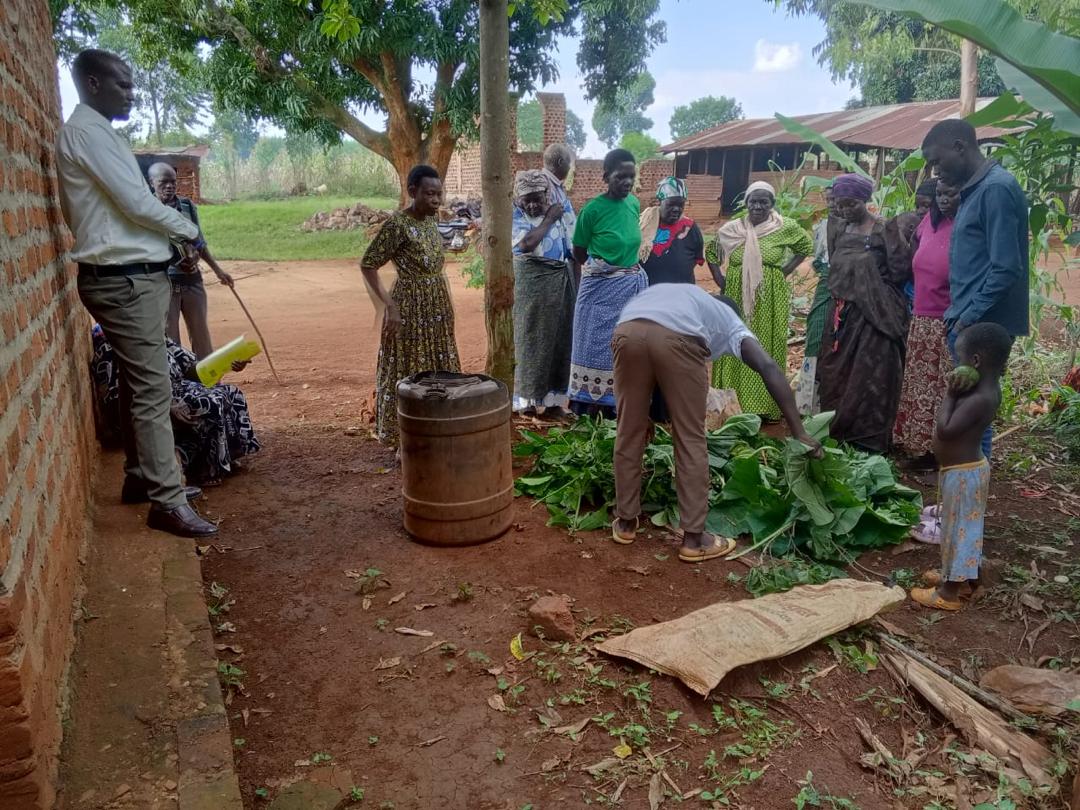
In an effort to learn how to strengthen food production systems in Uganda Kimanya-Ngeyo Foundation for Science and Education has been engaging and reflecting with groups of famers and providing training and practical experience. For example, in Jinja, Nalubaale village, a group of 7 families who depend on agriculture for their livelihoods are pooling resources together to be able to afford seeds and establish collective nurseries. In a similar experience in Budondo village, a group of 4 farming families realized that it is very difficult for each family to establish a diversified high efficiency plot of land for crop production as a single family and instead are working together as a team to assist each individual family to manage their farms on a rotational basis strengthening collaboration and mutual support in terms of food production.
The contribution of rural women in Uganda
Women make up approximately 40% of the global agricultural labor force. In Uganda the proportion is much higher with women comprising 88% of the agricultural labor force a sector that contributes 26% percent to Uganda’s GDP playing a critical role in agriculture and food security with rural women being the majority.
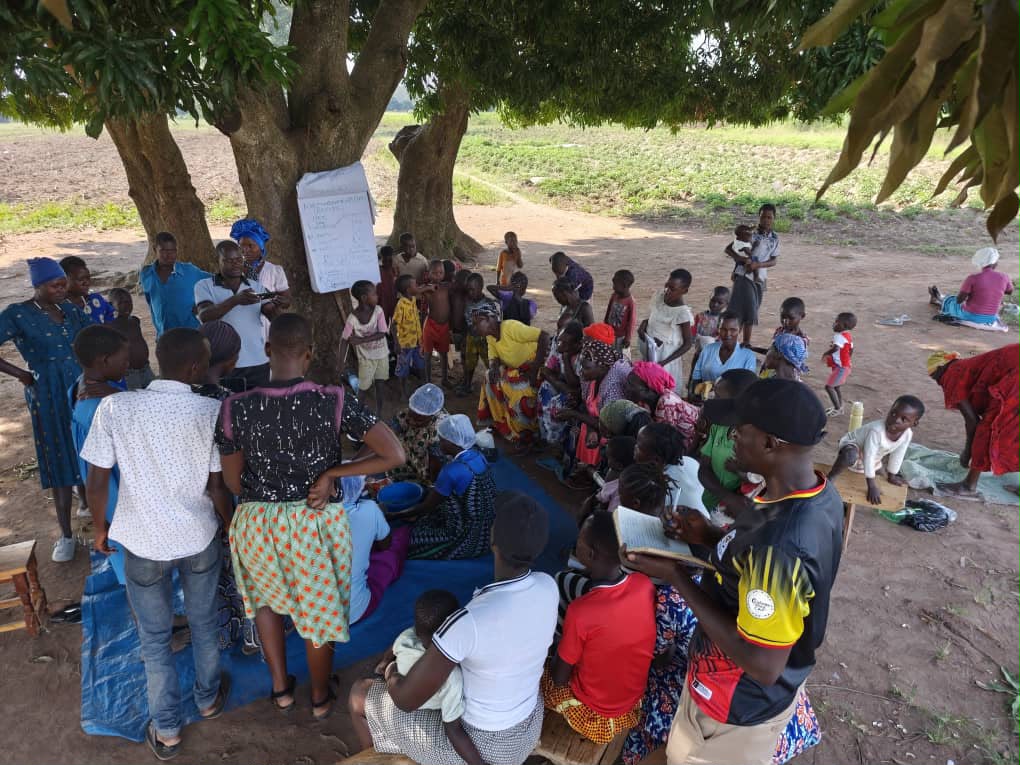
While significant, the contribution of women is not limited to the agricultural sector alone. Emerging experiences in some communities in the country demonstrate that women are consciously taking on a broader role in the advancement of their families and communities in the fields of education and economic empowerment. Across the country, groups of women are participating in women’s conferences – spaces organized at village level to enable women to build a vision of what is possible, and to consider how pressing needs can be addressed.
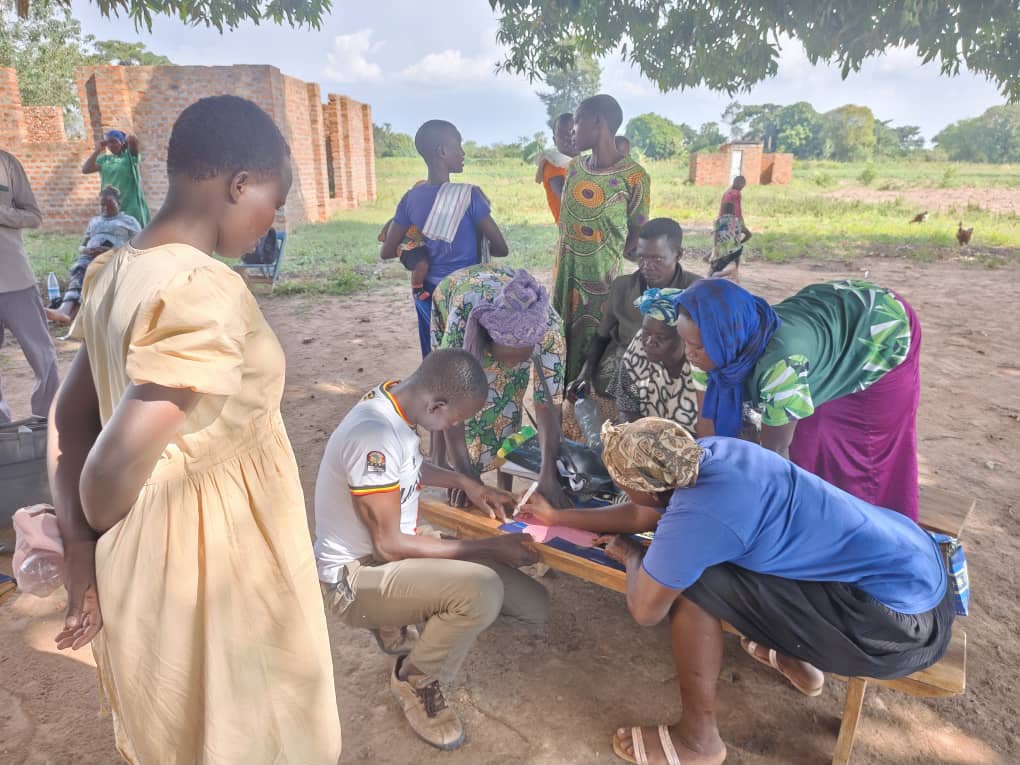
In one community in Busiiti village, a woman inspired by the Preparation for Social Action materials began to work with a group of 12 teen mothers who owing to different circumstances were unable to complete their secondary school education and had limited employment options making them vulnerable to exploitation. The mothers were encouraged to meet regularly to reflect on their reality and to study materials that raised their capacity to attend to their own needs and the needs of others, and to foster greater unity within the group. Overtime they decided to take steps to address their menstrual health and were able to learn the skill of making disposable sanitary towels in collaboration with a community-based organization that trained them. The group eventually received a donation of sewing machines which enabled them to earn a livelihood from this skill, and to empower other women. The group has since grown to include 67 teen mothers.
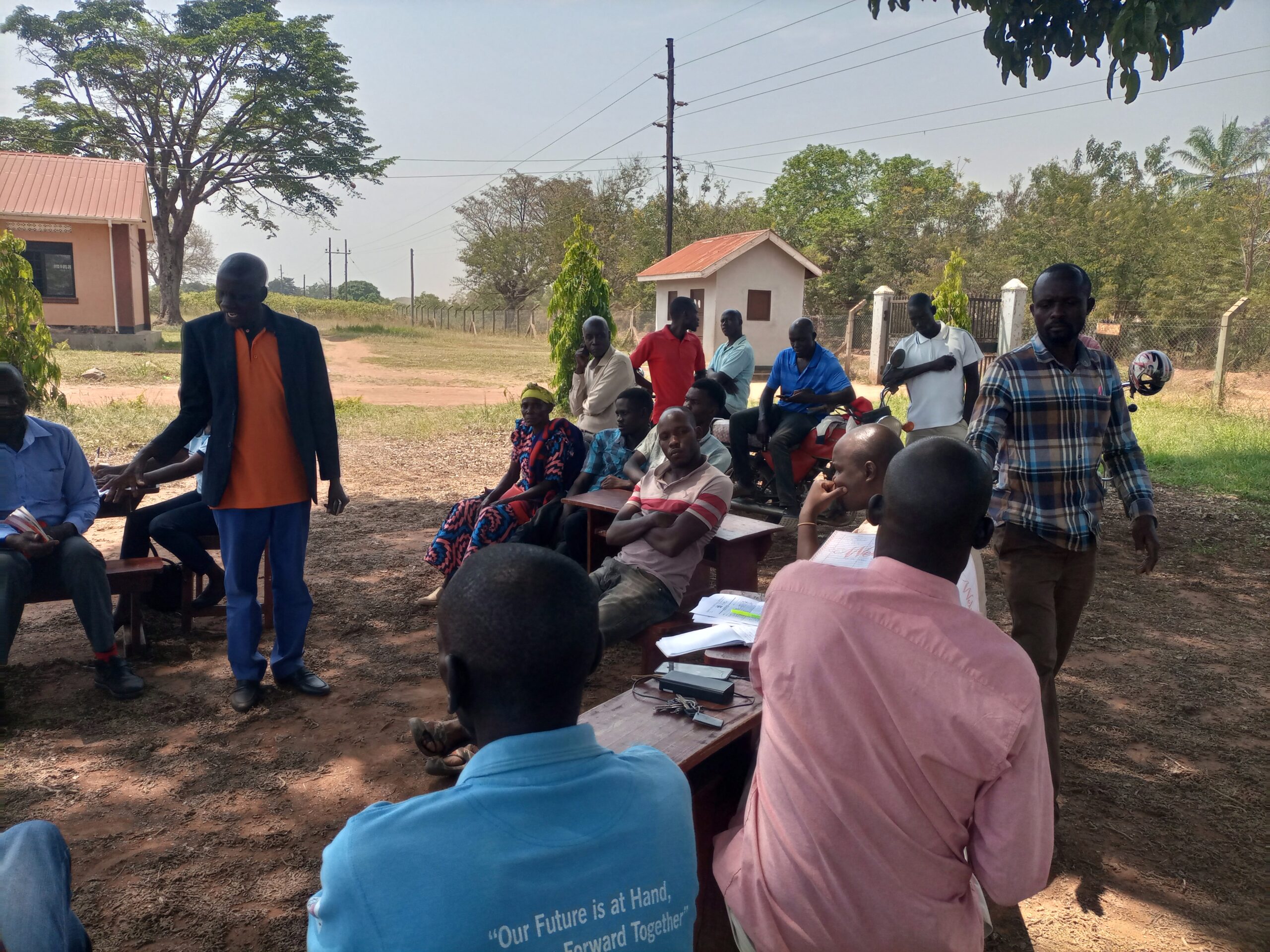
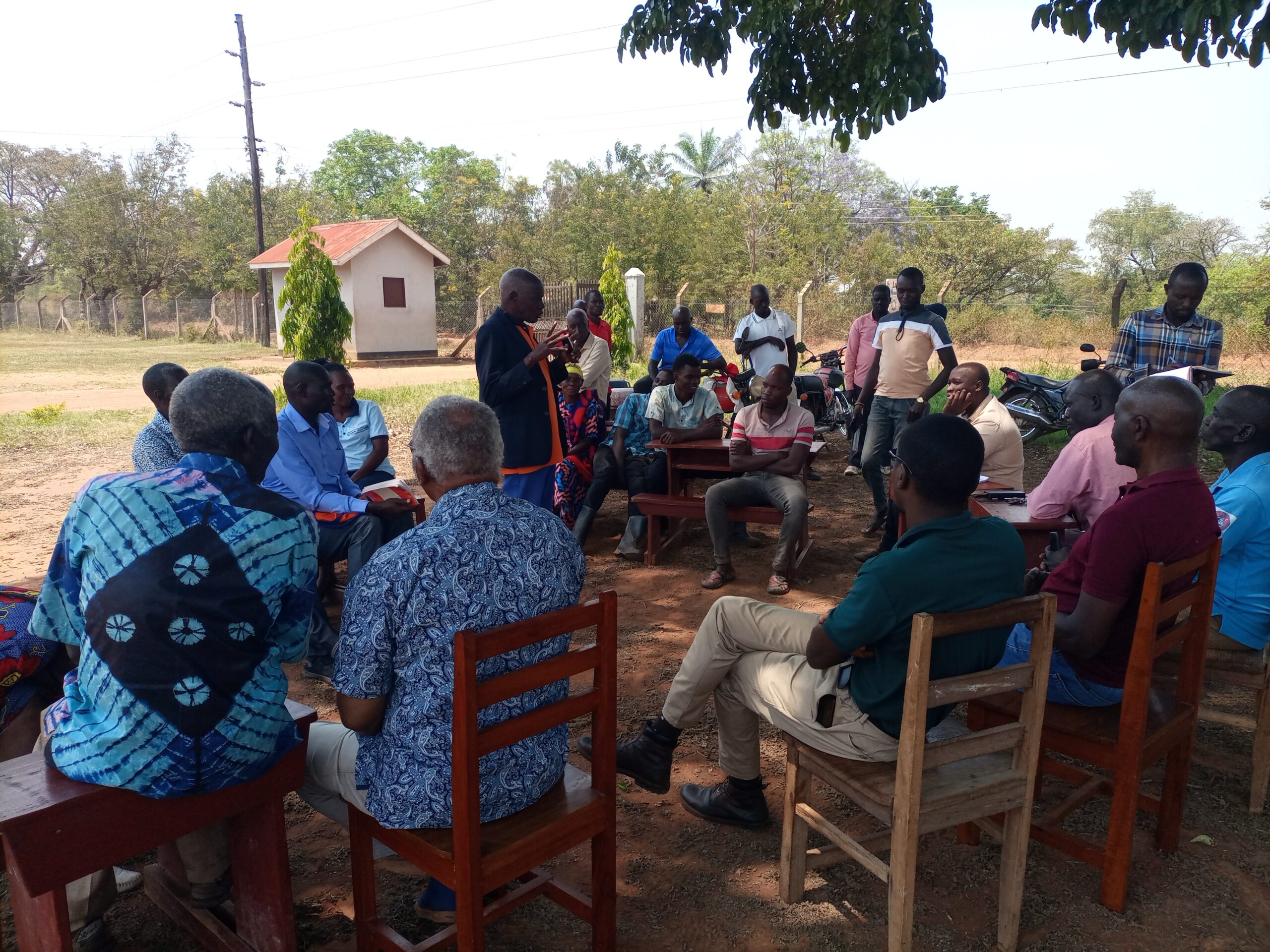
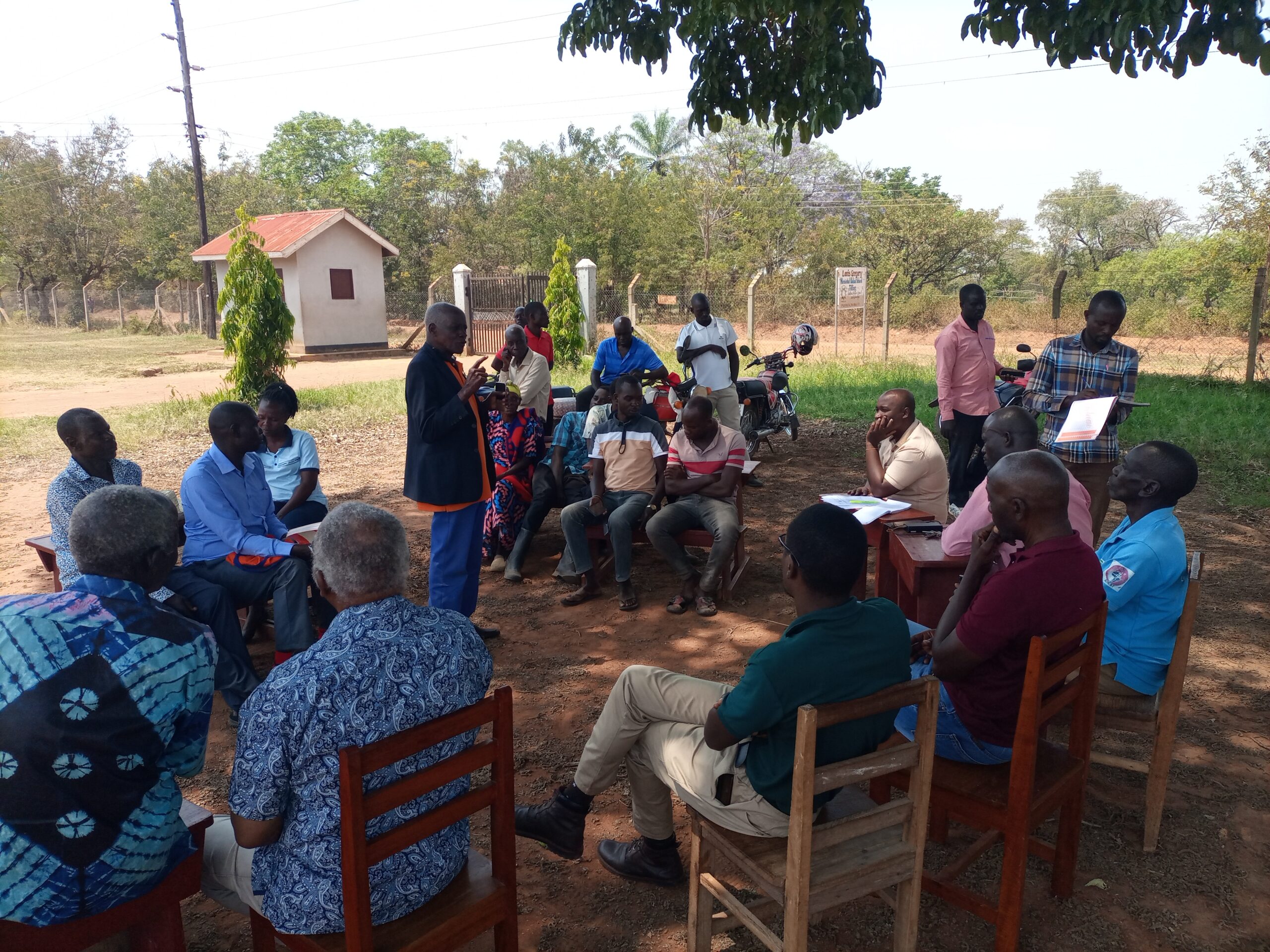
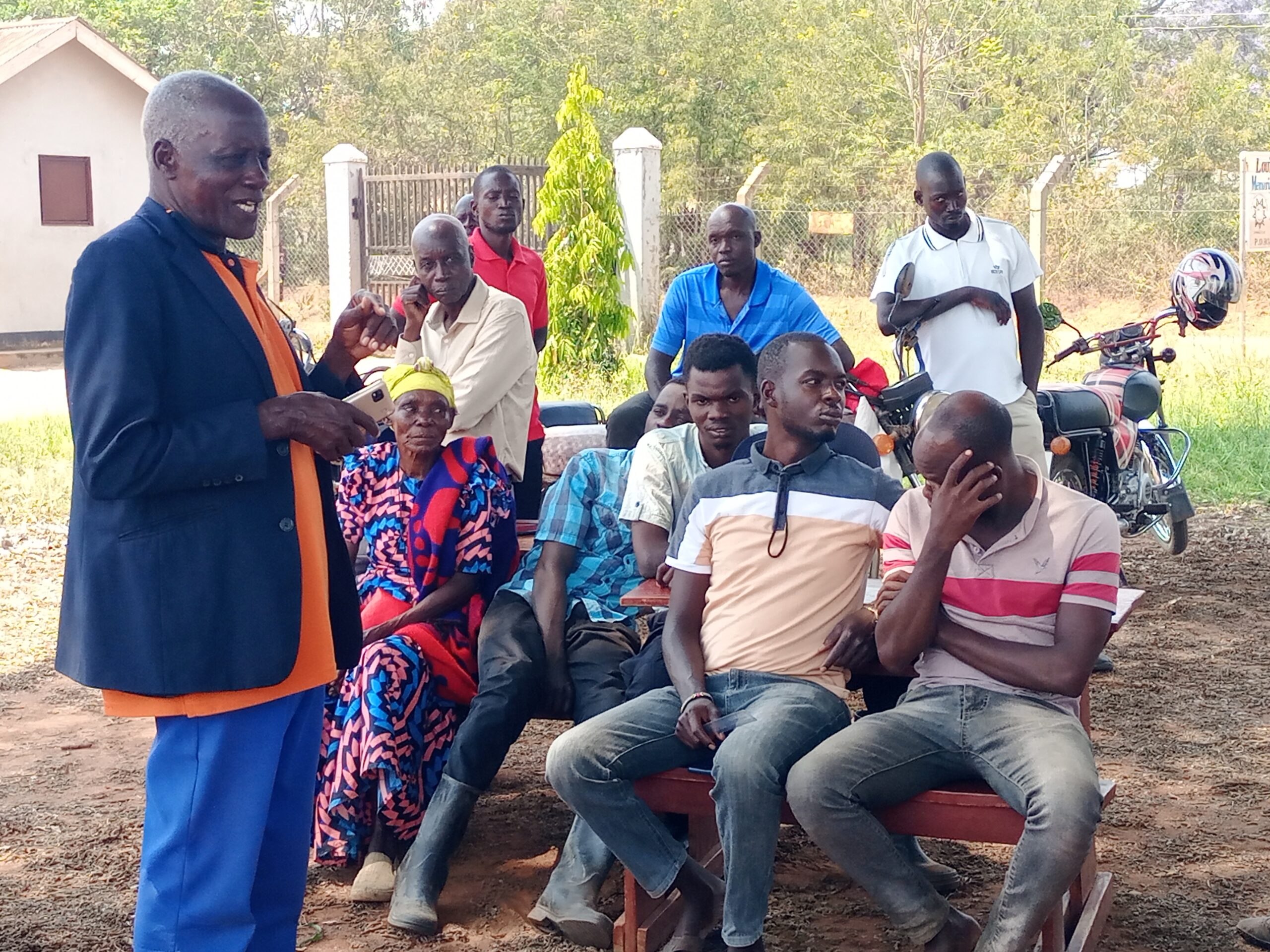
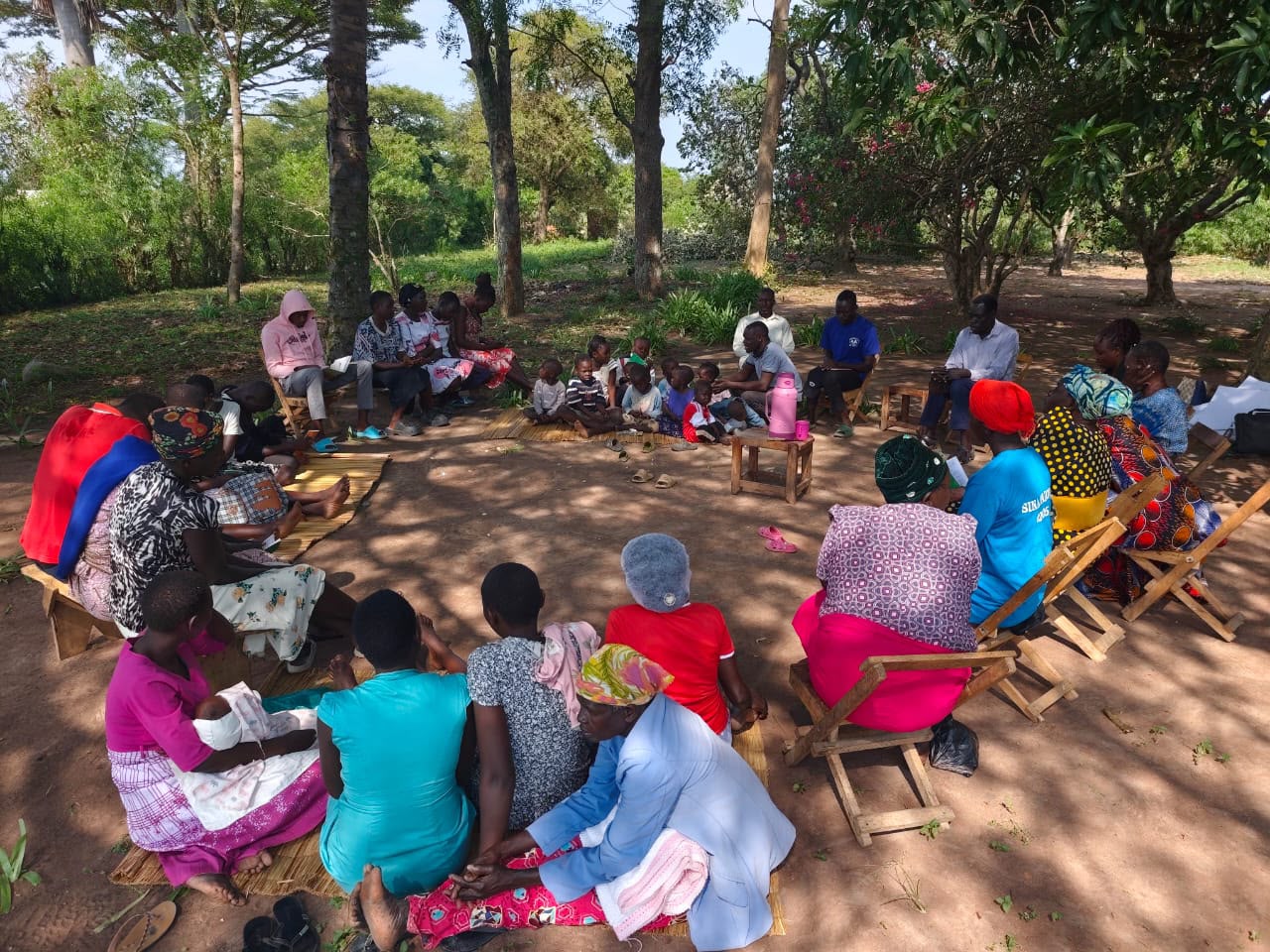
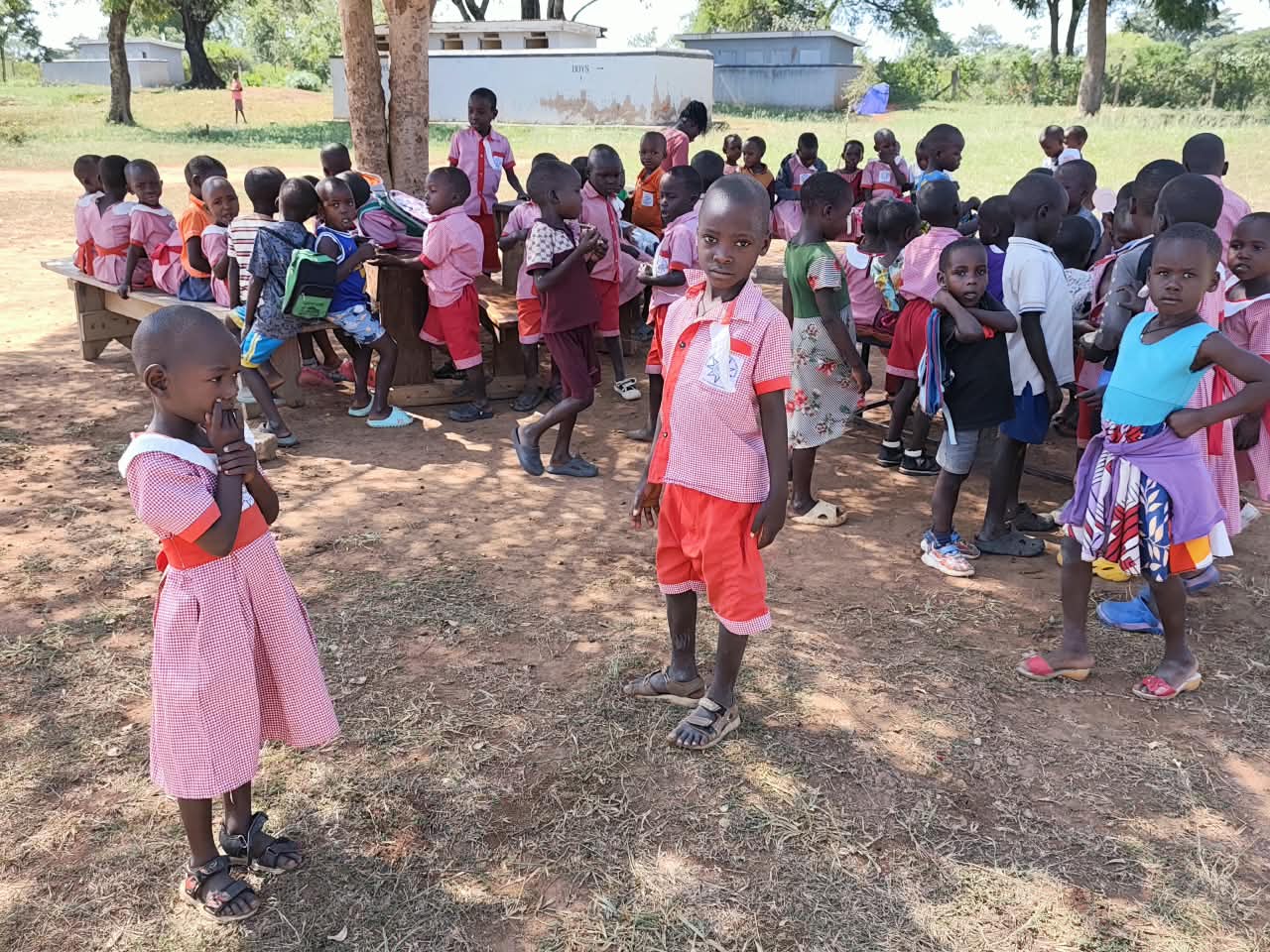
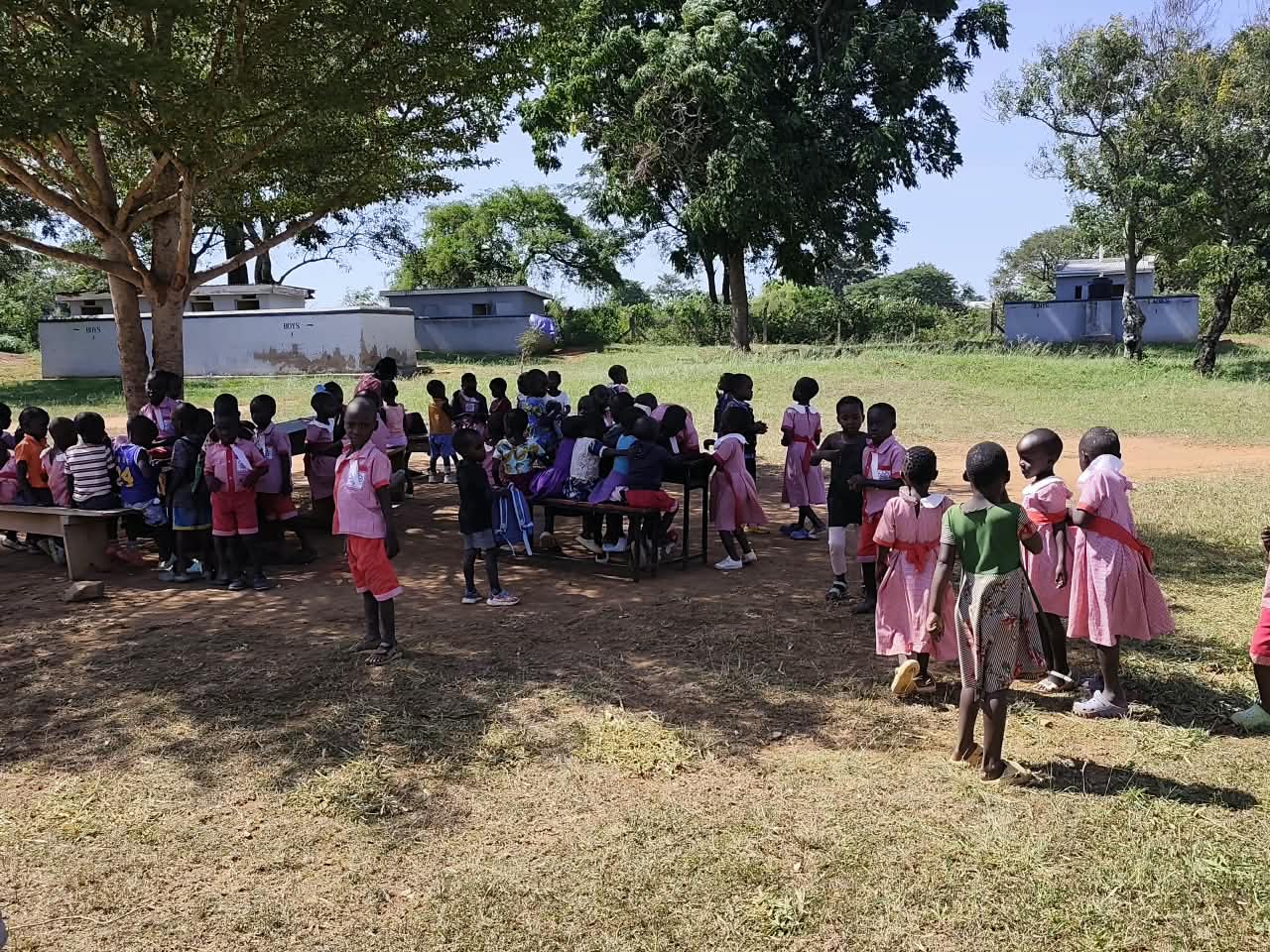
In Tilling village, a group of women are playing a predominant role in operating Louis Gregory Memorial Bahá’í nursery school, a community nursery school, that is assisting children aged to 3-5 years old. Before the community school emerged, a group of individuals who were exploring both Preparation for Social Action and Ruhi Institute materials identified the need to assist children whose parents could not afford school fees and would spend their days playing in the village.
Using the capabilities developed through the study of the materials they undertook the initiative to establish a set of 3 moral education classes within the village. In thinking about how to strengthen these classes and desiring a more formal education setting for their children, the parents and particularly the mothers of the children in consultation with the local institutions in the community, decided to establish the community nursery school.
The structure of the school is such that it does not make a profit with the parents contributing towards the support of the teachers and the provision of one meal of porridge, with the children going home by noon. What began with one teacher and 43 children has now grown to 114 children with 3 women serving as teachers and 2 playing a coordination role. While a nearby school temporarily offered two classrooms where the children learn, the community is now thinking about how to establish a more permanent home for the school.
“Woman’s lack of progress and proficiency has been due to her need of equal education and opportunity. Had she been allowed this equality, there is no doubt she would be the counterpart of man in ability and capacity. The happiness of mankind will be realized when women and men coordinate and advance equally, for each is the complement and helpmeet of the other.”
(The Promulgation of Universal Peace: Talks Delivered by ‘Abdu’l-Bahá during His Visit to the United States and Canada in 1912, p. 182)
Reflecting on Justice in a New Light
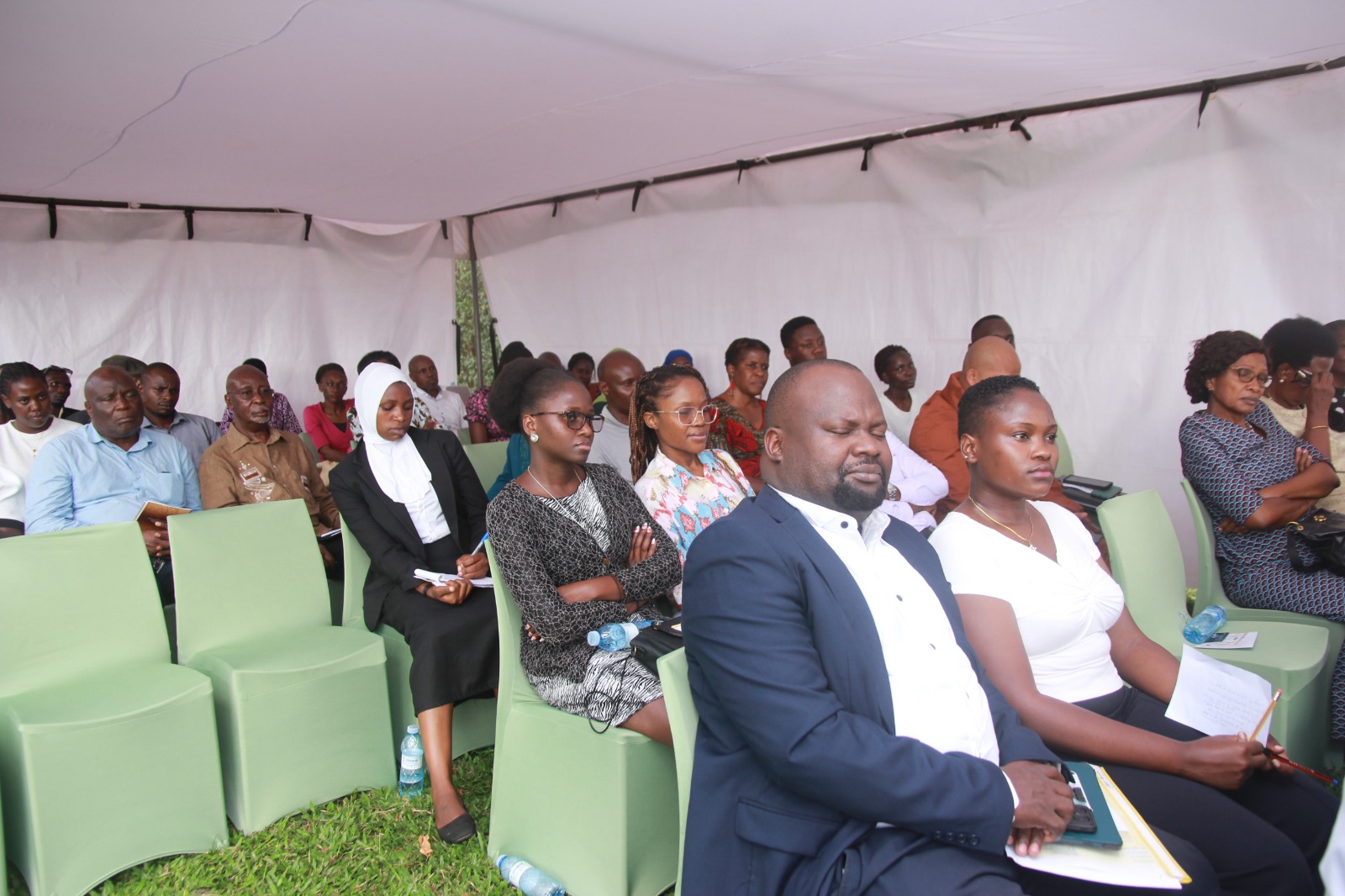
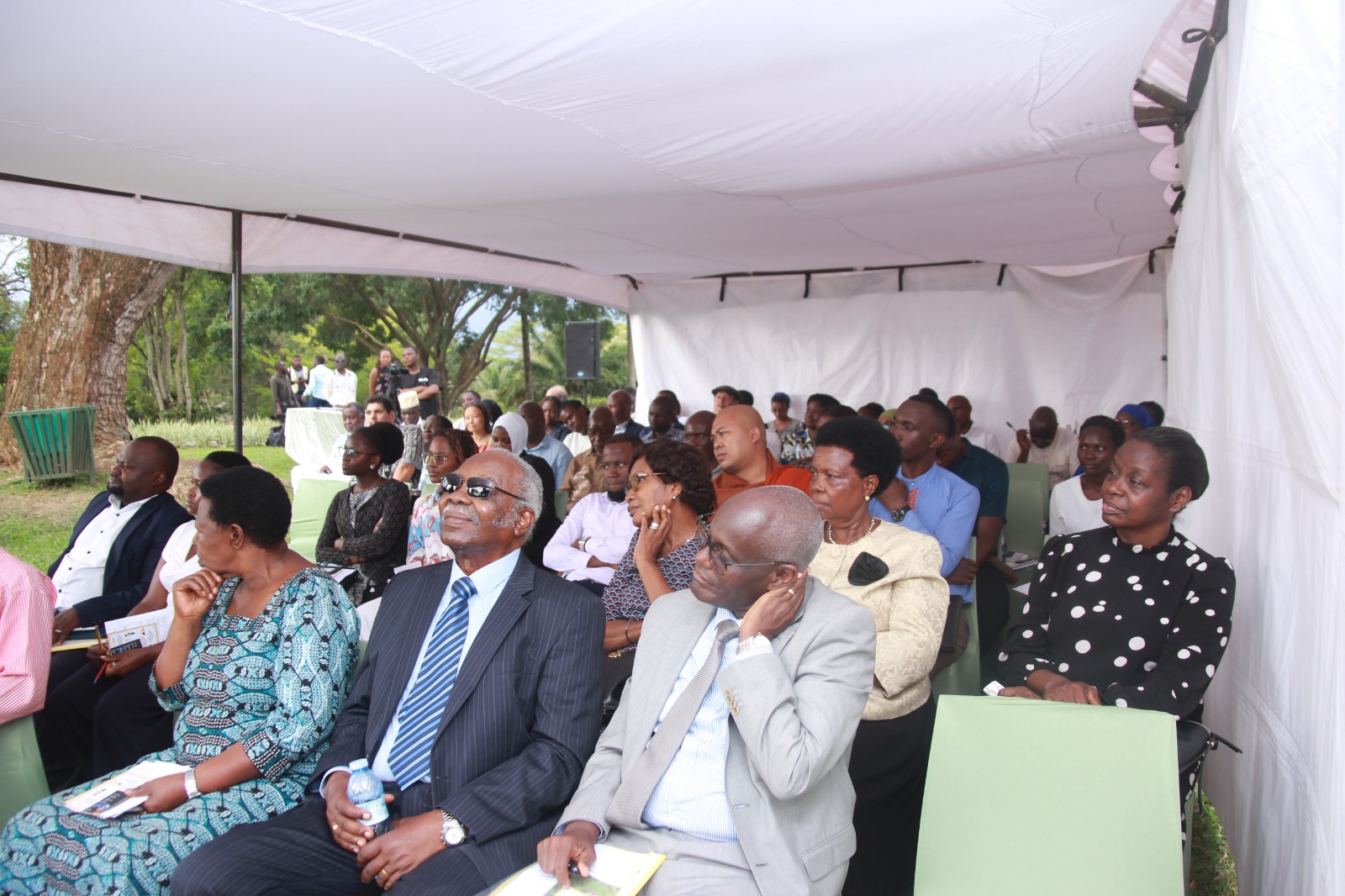
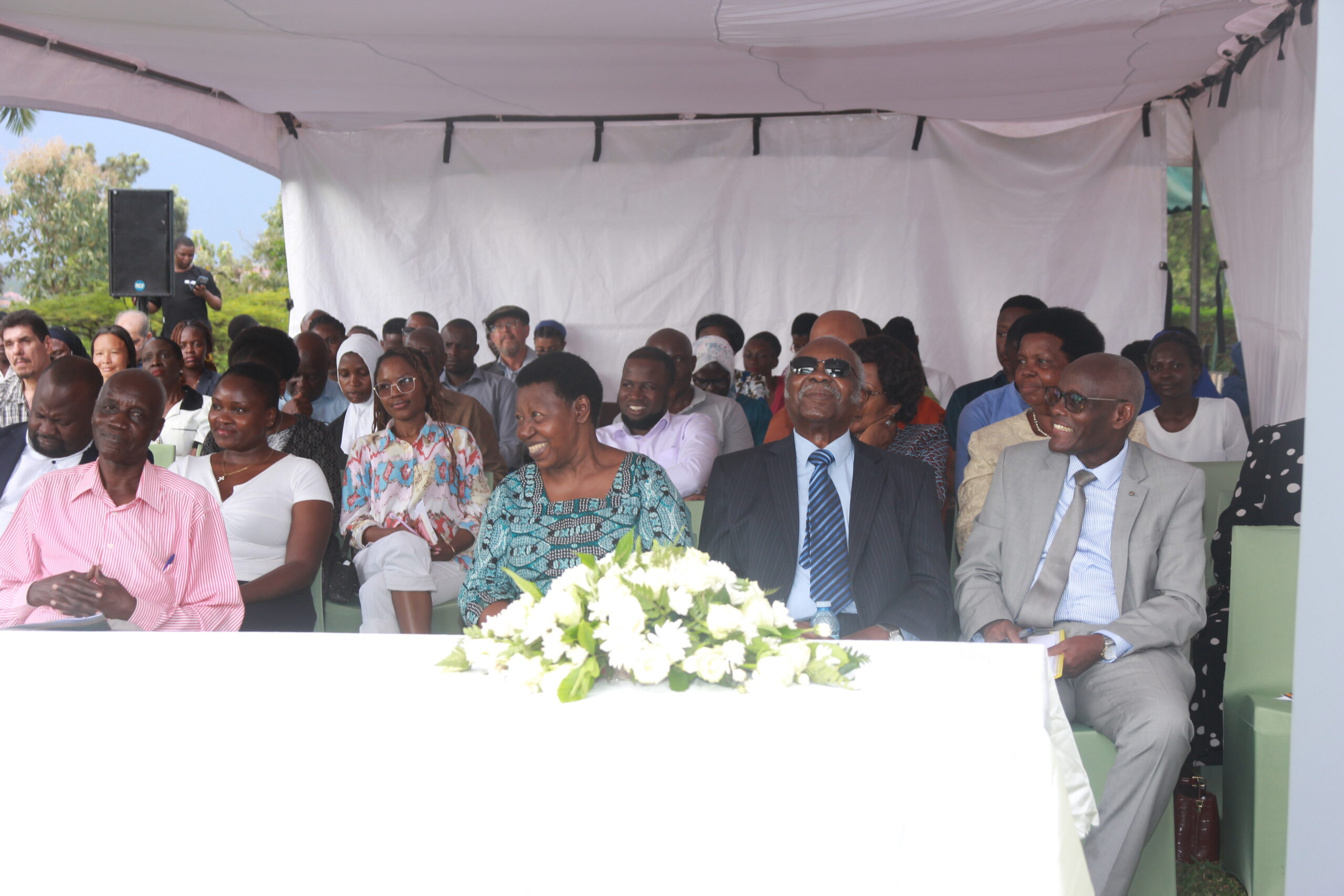
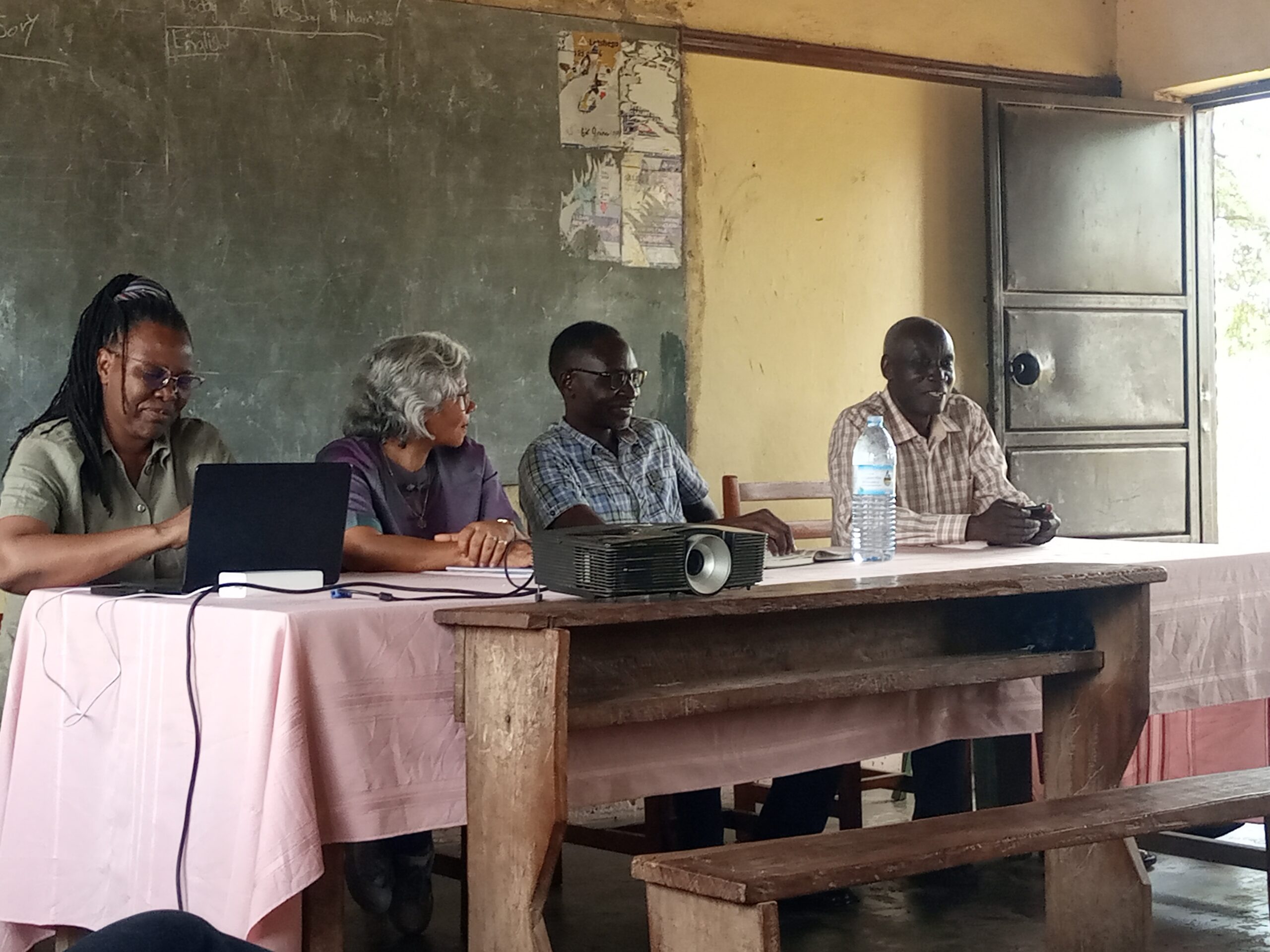
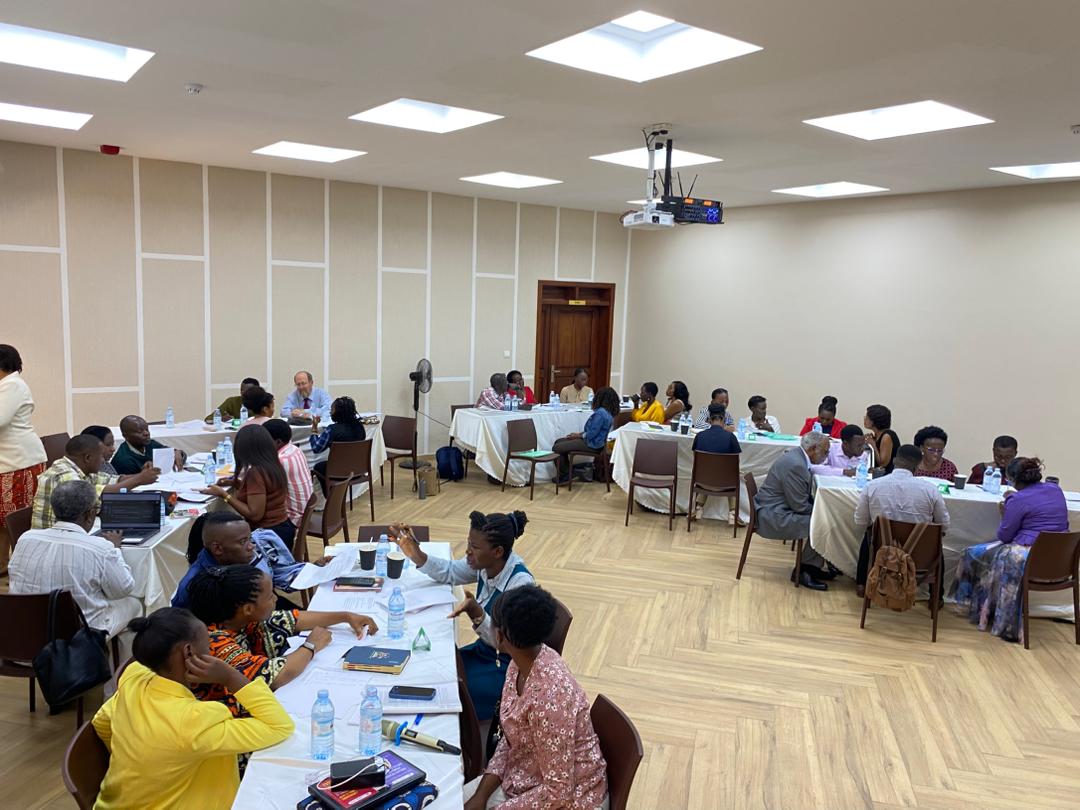
On 12 February 2026, the Office of External Affairs hosted a national reflection space at the Bahá’í Information Centre in Kikaaya, bringing together social actors and collaborators to explore the ideas presented in the Bahá’í International Community statement to the 70th Session of the UN Commission on the Status of Women (CSW70).
The gathering focused on this year’s CSW theme of strengthening access to justice for women and girls. But rather than approaching justice only as a legal or institutional matter, the discussions invited participants to think more deeply about justice as something also shaped by relationships, dignity, truthfulness, and the values that guide everyday life.
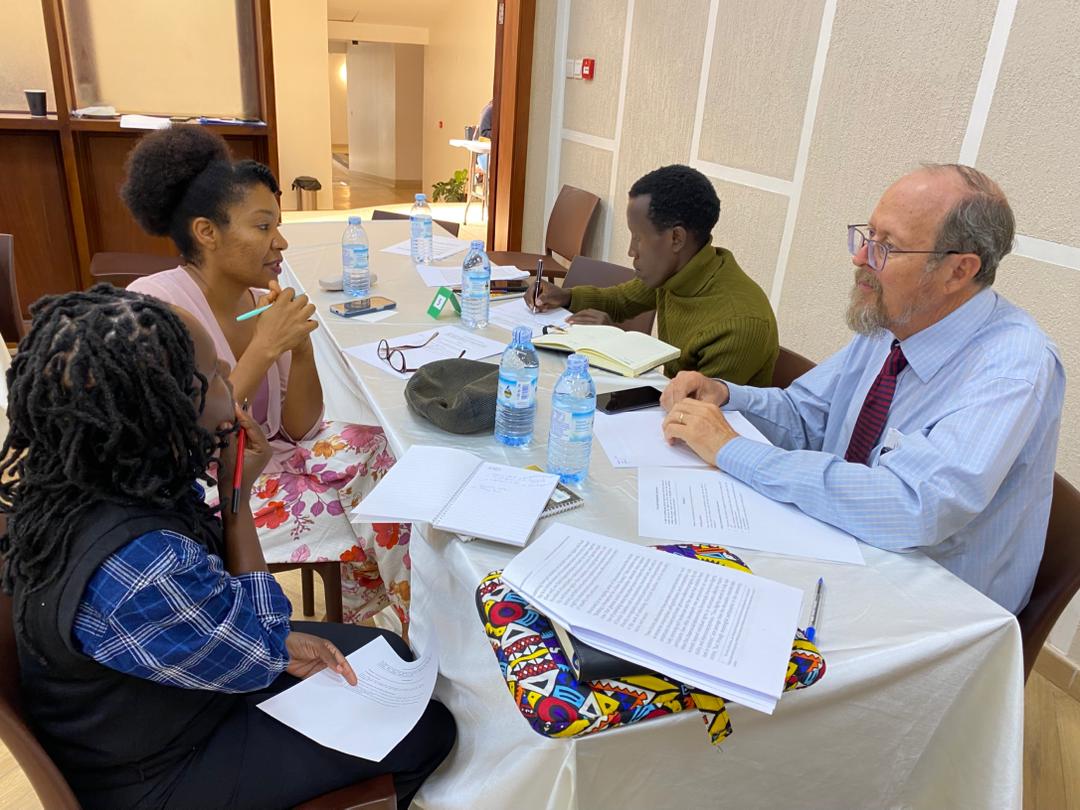
Participants from academia, civil society, media, governance, and faith communities took part in small-group discussions and plenary sharing. Together, they reflected on the gap between legal progress and lived experience, the need to expand the meaning of justice, and the kinds of collaboration needed to build a more just society.
One of the striking features of the gathering was the openness with which participants engaged the questions. Many observed that while laws and policies are important, they do not always reach the daily realities of women and girls unless accompanied by changes in attitudes, relationships, and social norms.
For the Office of External Affairs, the gathering was a meaningful example of how the Bahá’í community can contribute to public discourse: by creating spaces where diverse voices can reflect together on the moral and social dimensions of society’s challenges, and on the deeper transformations needed to address them.




The Discourse on the Equality of Women and Men
On 11th September 2025, the Office of External Affairs hosted a national gathering at the Bahá’í Information Centre to mark the thirtieth anniversary of the Beijing Declaration and Platform for Action (BPfA). The event brought together over forty participants representing government, civil society, policy makers, women’s rights activists and faith-based organizations to reflect on progress made, identify persistent challenges, and consider fresh approaches to advancing the equality of women and men.
The BPfA, adopted in 1995 at the United Nations Fourth World Conference on Women, continues to serve as a framework for promoting the rights and full participation of women across the globe. Yet thirty years on, its goals remain only partially realized. The gathering offered an opportunity for diverse voices to consult together, while also exploring how spiritual perspectives can enrich these efforts.
For Bahá’ís, the equality of women and men is not simply a social aspiration but a divine principle revealed by Bahá’u’lláh. ‘Abdu’l-Bahá explained: “The world of humanity has two wings—one is women and the other men. Not until both wings are equally developed can the bird fly.” This vision reminds us that humanity’s progress is inseparable from the advancement of women and men as equal partners in every sphere of life.
The Bahá’í International Community has, since 1995, consistently contributed to global reflections on the BPfA. At the recent 69th session of the UN Commission on the Status of Women, the BIC released the statement In Full Partnership: Women’s Advancement as a Prerequisite for Peaceful Societies. It emphasizes that peace and justice cannot be secured while half of humanity is excluded, and calls for new ways of organizing our collective life that allow women and men to act as true partners.
The event echoed these themes. Presentations and breakout discussions highlighted both the progress and the gaps of the past thirty years. Participants expressed appreciation for the convening role of the Bahá’í community, noting the significance of faith-based actors in addressing questions of justice and equality from a spiritual foundation. One participant, Ms. Jane Mpagi, gender and social development expert, commended the Bahá’í community for “bringing diverse stakeholders together to partner in addressing equality” and expressed gratitude for the Faith’s active involvement in this discourse.
For the Office of External Affairs, this event was one step in an ongoing process of learning. The aim is not only to host gatherings but to learn together with government institutions, civil society partners, and fellow faith communities as they reflect on and contribute to the advancement of equality in Uganda and beyond. In this way, the work of the OEA supports the goals of the Nine-Year Plan and strengthens the Bahá’í community’s contribution to the life of society.
The gathering closed with a sense of hope and determination. Friends left with a renewed awareness that the equality of women and men is not simply about fairness. It is essential for peace and prosperity. The reflections raised an important question for us all: how can we, in our daily lives, our community-building activities, and our service to society, help nurture a culture where this principle becomes a lived reality?


Investing in Peace
On 21
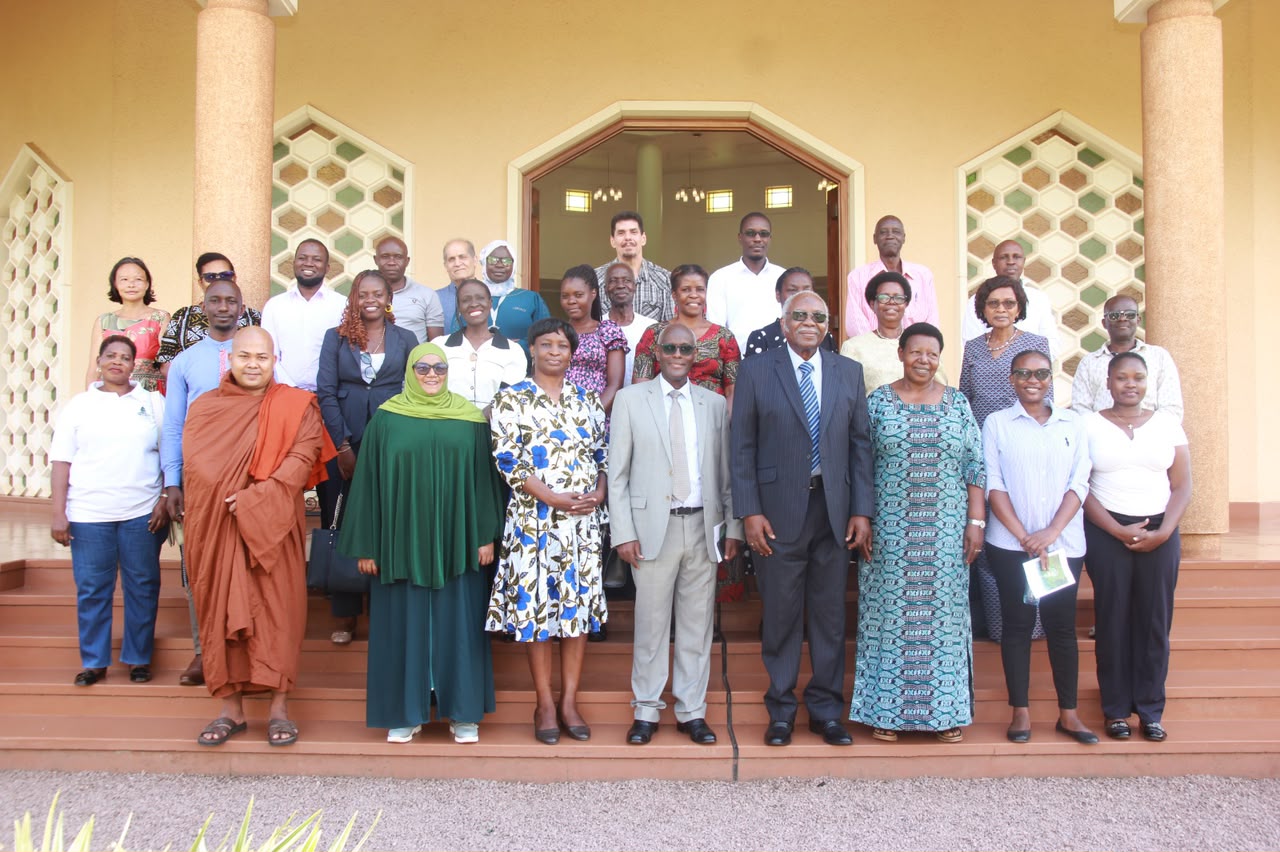
September 2026, more than 66 social actors from government, religious and
cultural institutions, civil society, academia, the media and the Bahá’í
community gathered at the Bahá’í House of Worship in Kampala to mark the
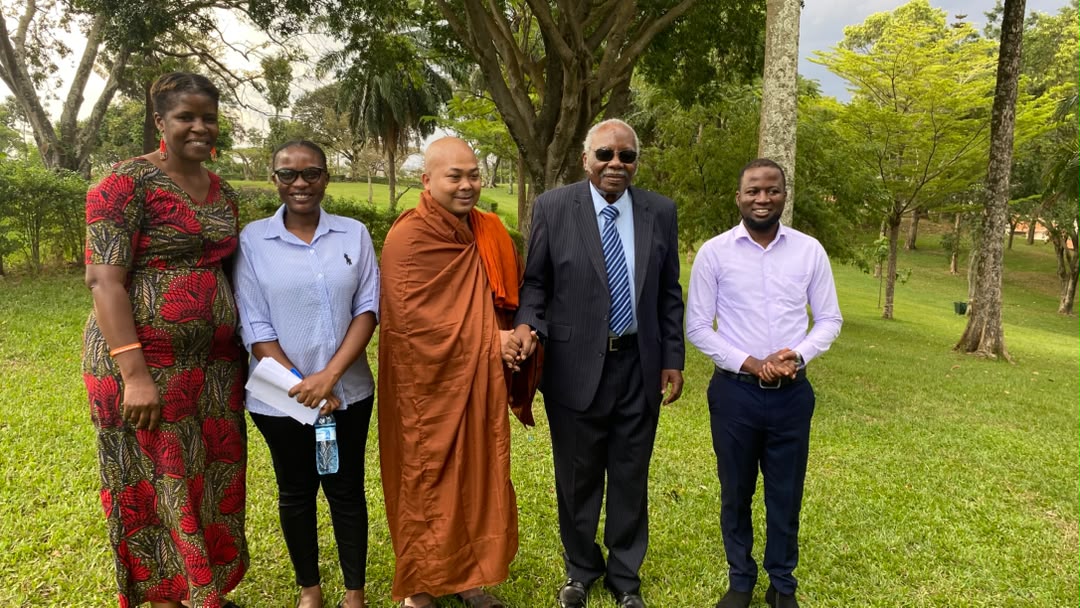
International Day of Peace. Hosted by the Bahá’í Office of External Affairs,
the gathering explored the global theme “Invest in Peace – For Everyone,
Everywhere, Every Day”, creating a space for people from different sectors and
backgrounds to reflect on what building peace can mean in everyday life.
The
gathering began with a multi-faith devotional programme in the House of
Worship, followed by reflections from several guests. Canon Aaron Mwesigye,
Director of Religious Affairs at the Directorate of Ethics and Integrity at the
Office of the President, observed that while Uganda may enjoy relative peace
and stability, there remains a need to strengthen peace among its people. He
emphasized that peace is not simply the absence of conflict, but requires
continuous effort in our relationships and institutions. As he noted, every
conversation that builds understanding, every peaceful effort to resolve
disagreement, and every act of service is an investment in peace. Joshua
Kitakule, Secretary General of the Inter-Religious Council of Uganda, through a
representative, similarly invited participants to consider a simple but
important question: “What small contributions can I make to a small space
where I am, for the peace of our country?” He also commended the Bahá’í
community’s longstanding collaboration with the Inter-Religious Council of
Uganda.
Other
reflections highlighted the forces that can undermine peaceful coexistence. Dr.
Miria Matembe spoke of how the pursuit of power and material wealth can erode
our sense of humanity, while John Robarts Okiror, a member of the National
Spiritual Assembly of the Bahá’ís of Uganda, emphasized that peace is
inseparable from the oneness of humanity and must begin with individuals before
extending to families, communities and the wider world. The gathering concluded
with the planting of trees on the House of Worship grounds as a symbol of peace
and hope for a more sustainable future.
For the
Bahá’í community, peace is not a distant ideal to be achieved only through
agreements between nations or institutions. It is a process that begins with a
recognition of the oneness of humanity and is strengthened through justice,
trust, mutual respect, consultation and cooperation. The International Day of
Peace gathering offered an opportunity to translate this vision into
relationships—bringing people together across sectors, encouraging meaningful
dialogue and strengthening connections among those working for the wellbeing of
society. It was a reminder that investing in peace can begin wherever we are:
in our families, workplaces, communities and conversations, through the choices
we make every day.
“The
Great Peace towards which people of good will throughout the centuries have
inclined their hearts… is now at long last within the reach of the
nations.” — The Universal House of Justice, The Promise of World Peace
(October 1985)