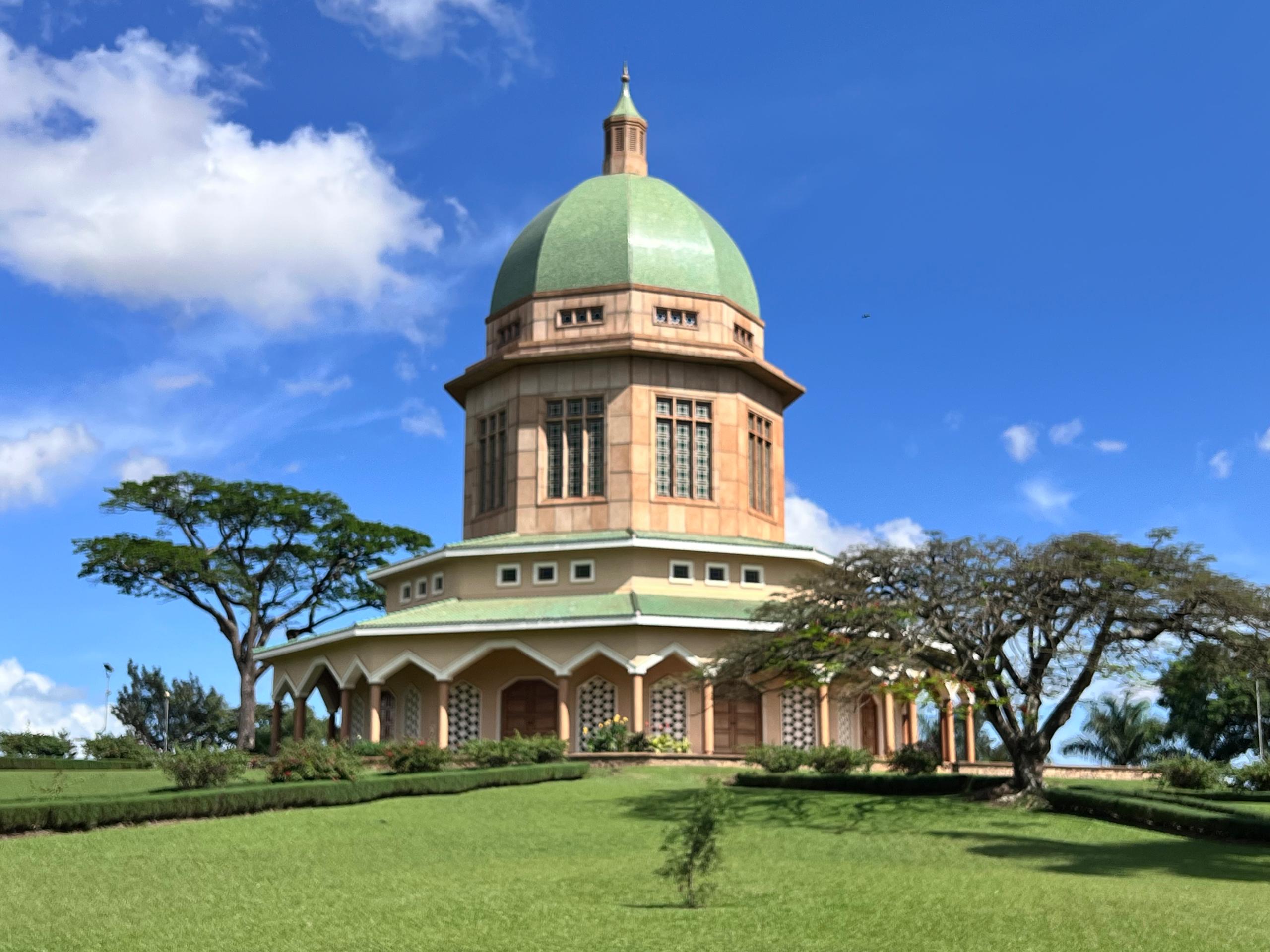
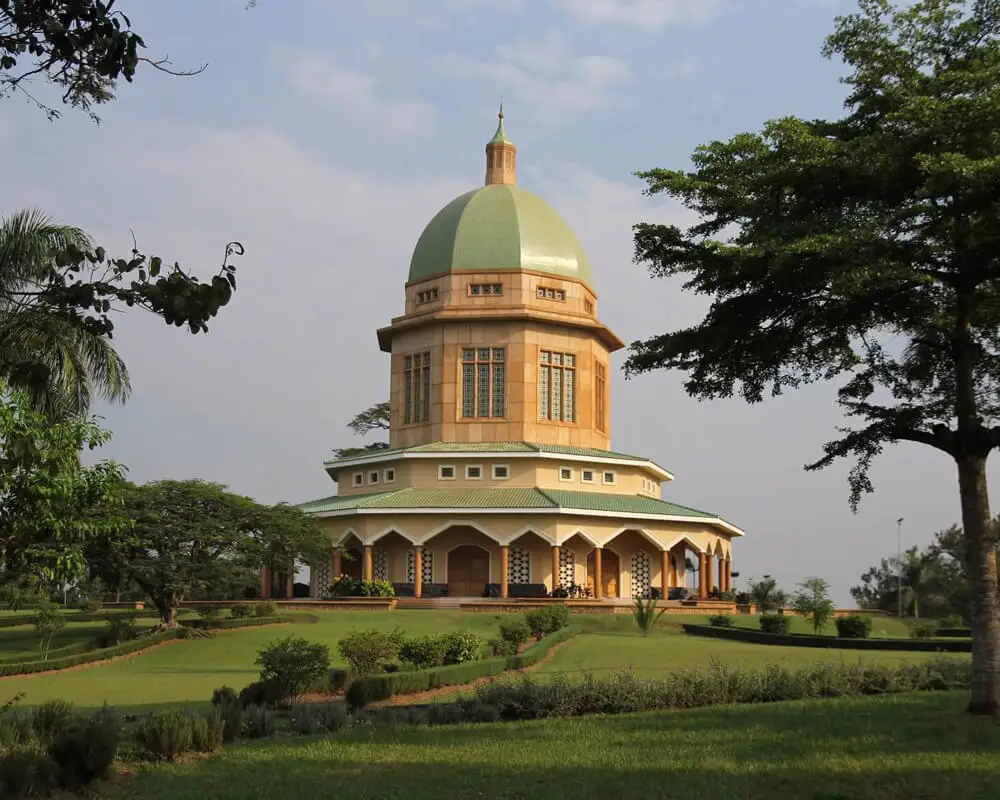
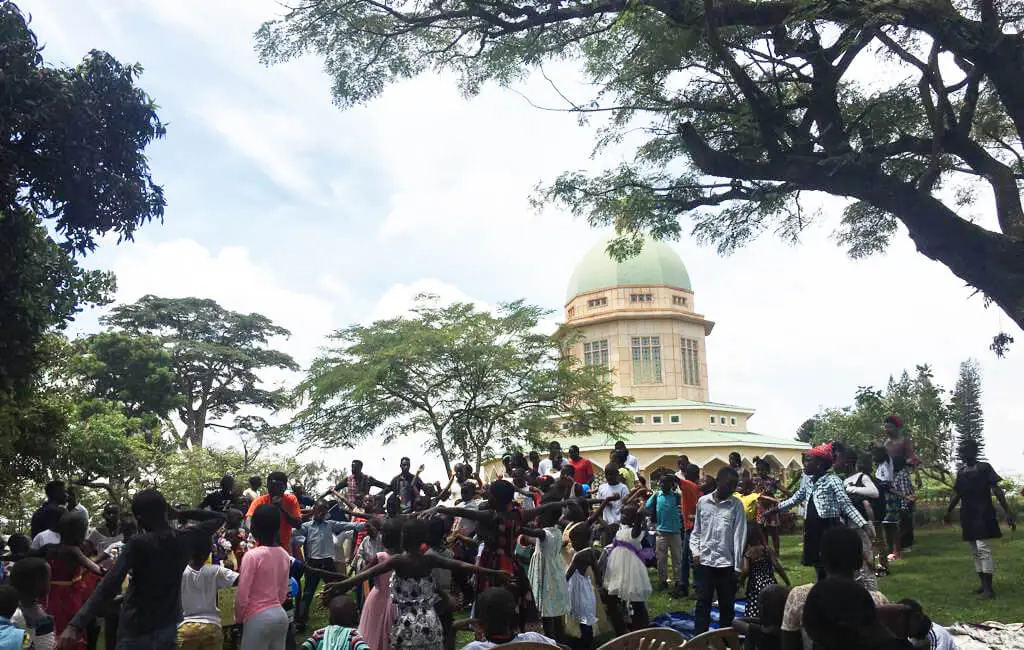
The Mother Temple of Africa; the first Bahá’í House of Worship on the continent, is a sacred space open to all. It offers solace and a place for communion with the Creator, drawing people of every background. Each Sunday, a special devotional program brings together Bahá’ís and their friends to offer prayers and sacred writings in uplifting melodies.
In its surroundings, service and worship naturally blend. As ‘Abdu’l-Bahá described, the House of Worship will, over time, support the social and economic progress of the wider community through education, healthcare, and other essential services.
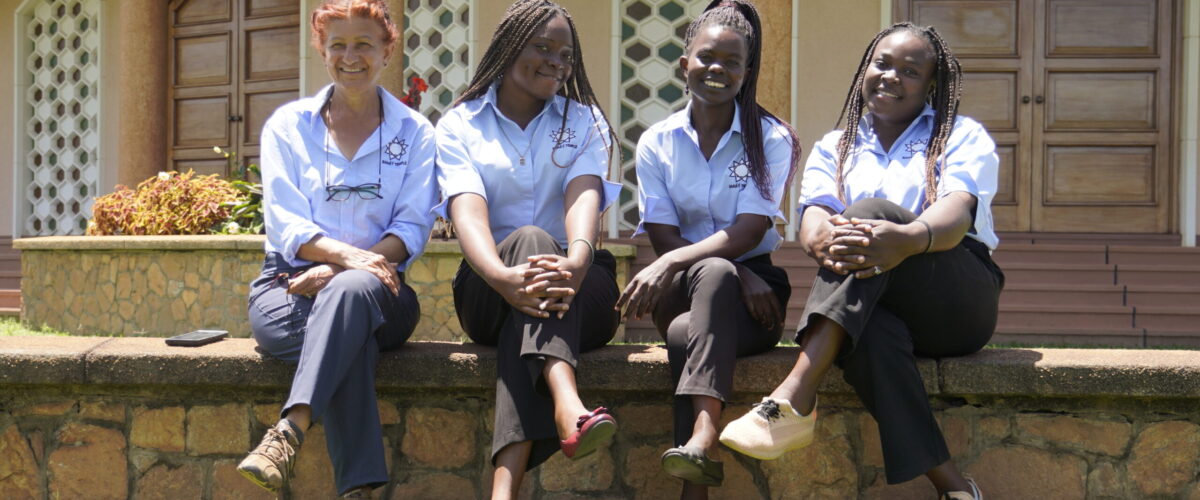
Today, the Temple grounds also host the offices of the National Bahá’í Community and facilities of the Training Institute.
Work done in the spirit of service is the highest form of worship.
- ‘Abdu’l-Bahá
Houses of Worship Around the World
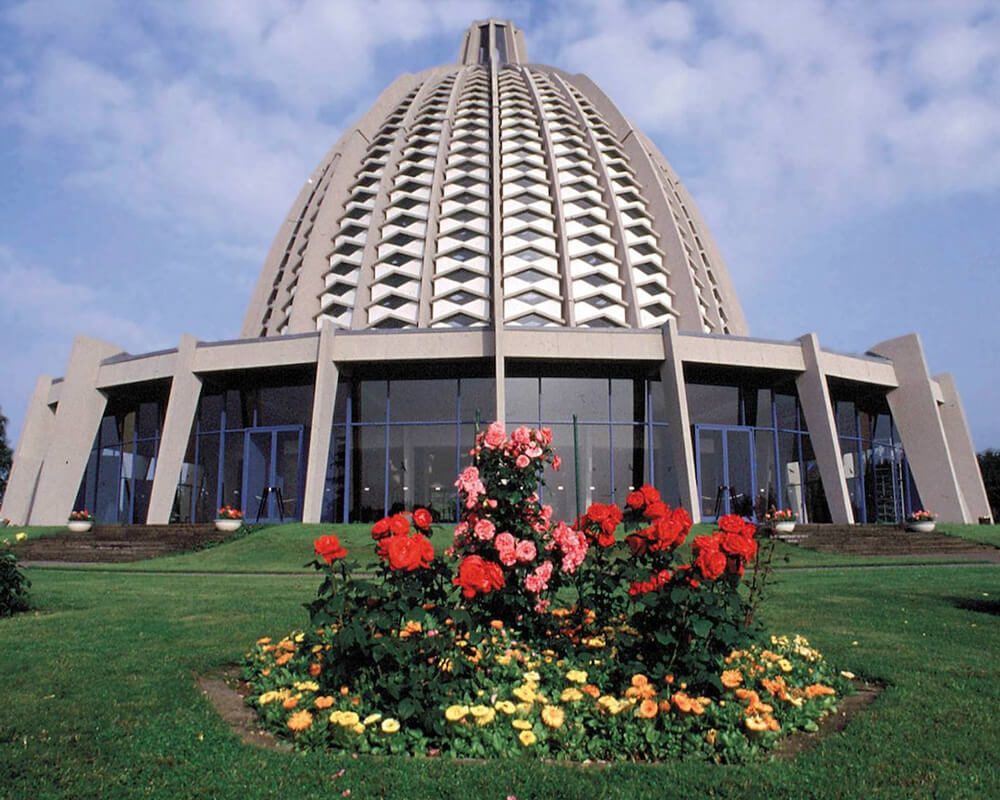
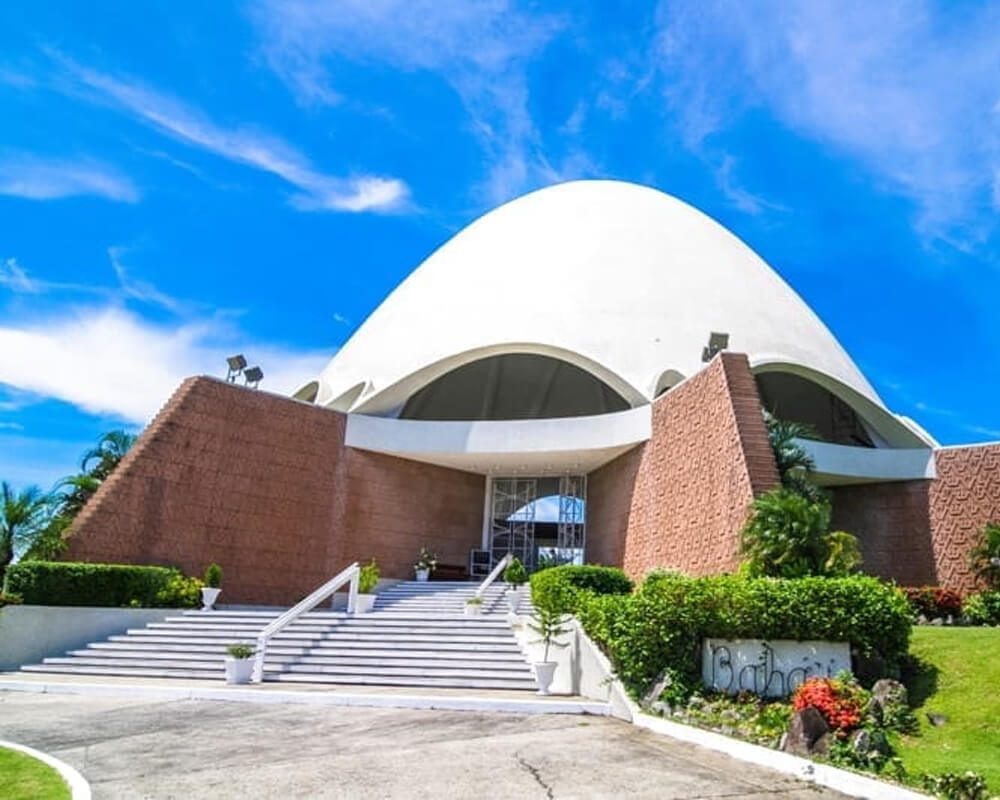
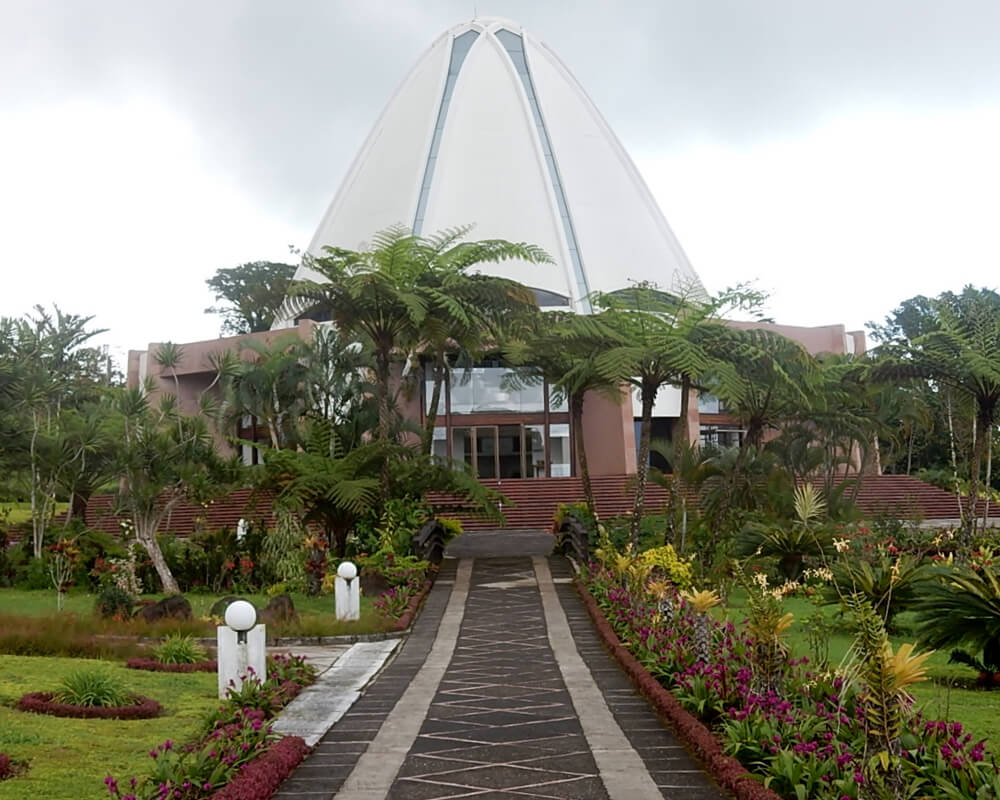
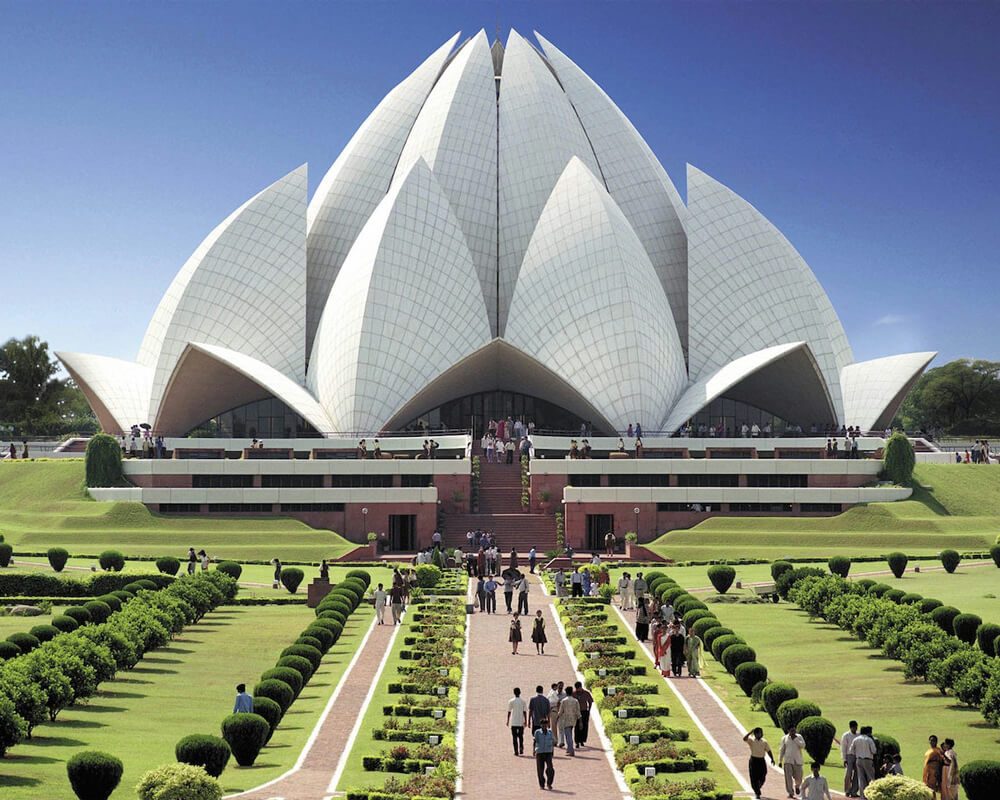
The building of Bahá’í Houses of Worship began with the first Temple in Ishqábád, Turkmenistan, approved by Bahá’u’lláh and completed in 1908. From that point, the Bahá’í community went on to raise Houses of Worship across the remaining continents; in Kampala, Sydney, Langenhain, Panama City, Apia, and New Delhi; culminating in the dedication of the Temple of South America in Santiago, Chile, in 2016. In just over a century, this global effort has given rise to a network of sacred spaces open to all.
Continental Houses of Worship
Kampala, Uganda
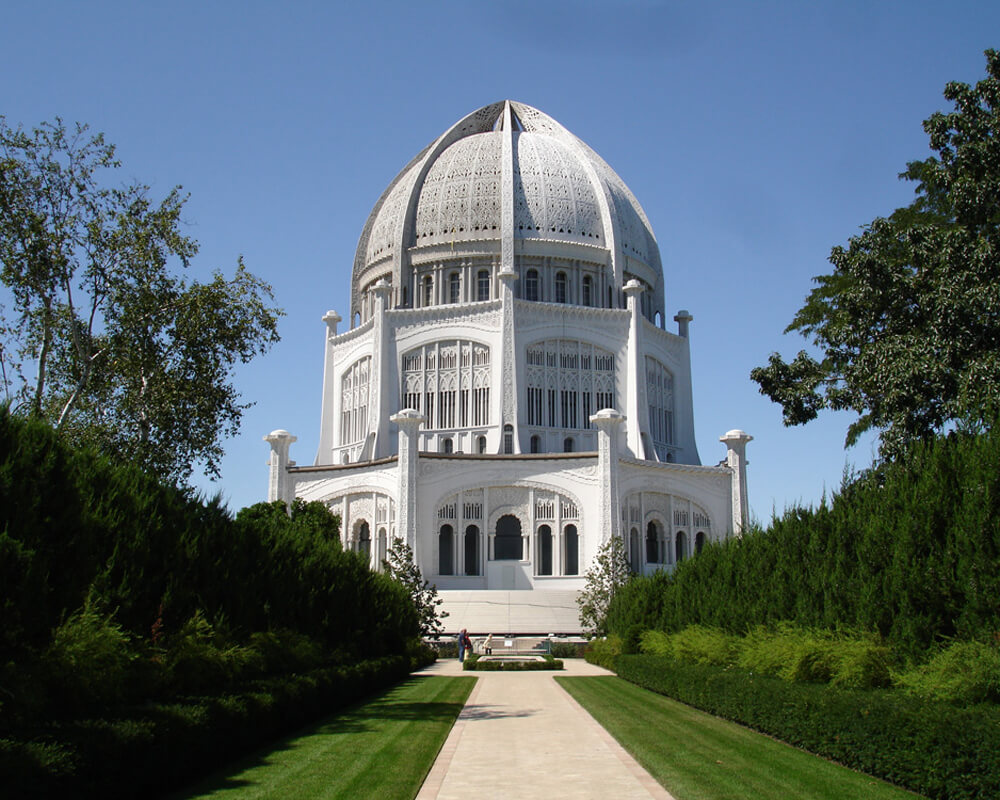
Wilmette, USA
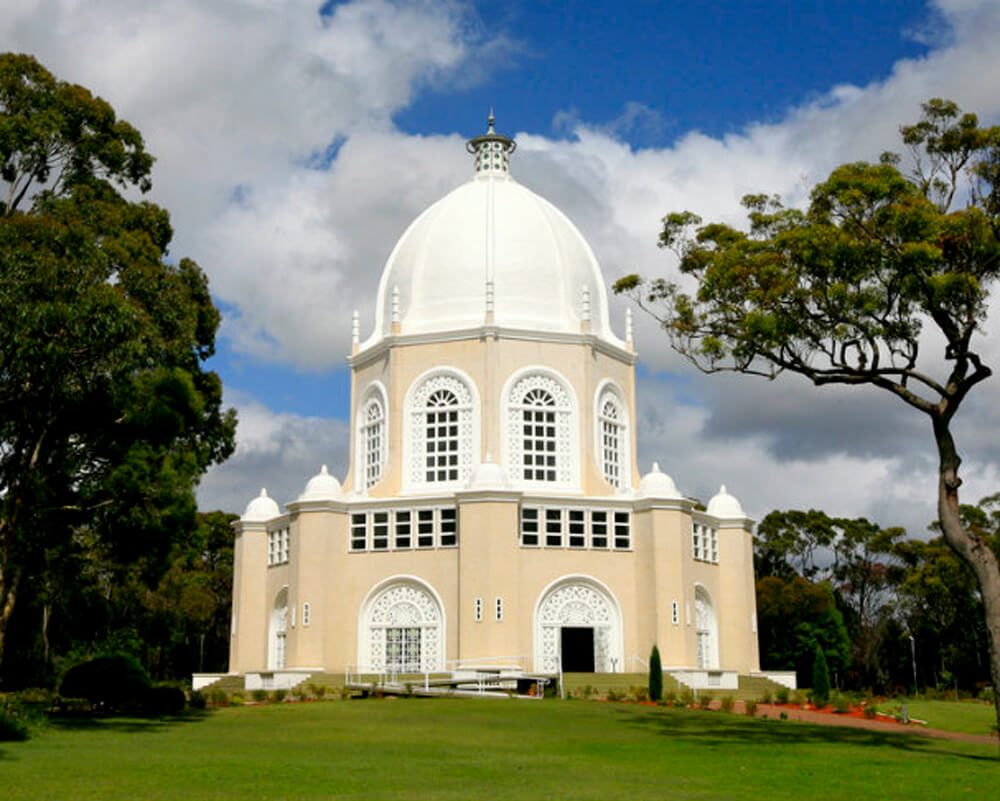
Sydney, Australia
Langenhain, Germany
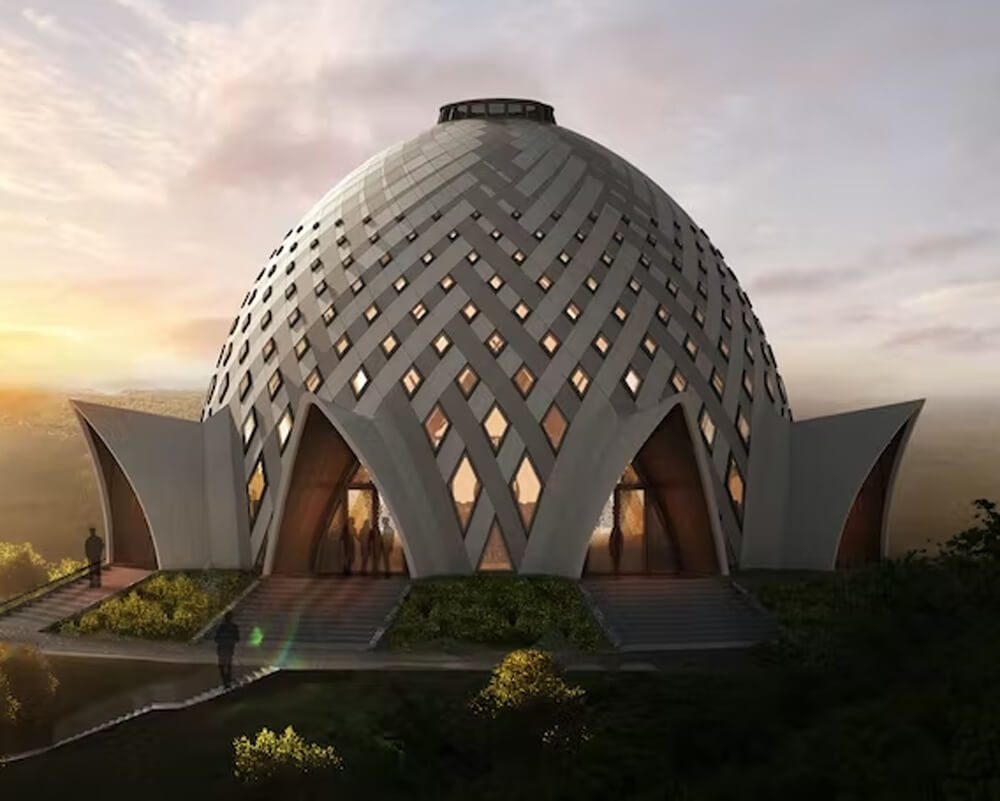
Panama City, Panama
Apia, Samoa
New Dehli, India
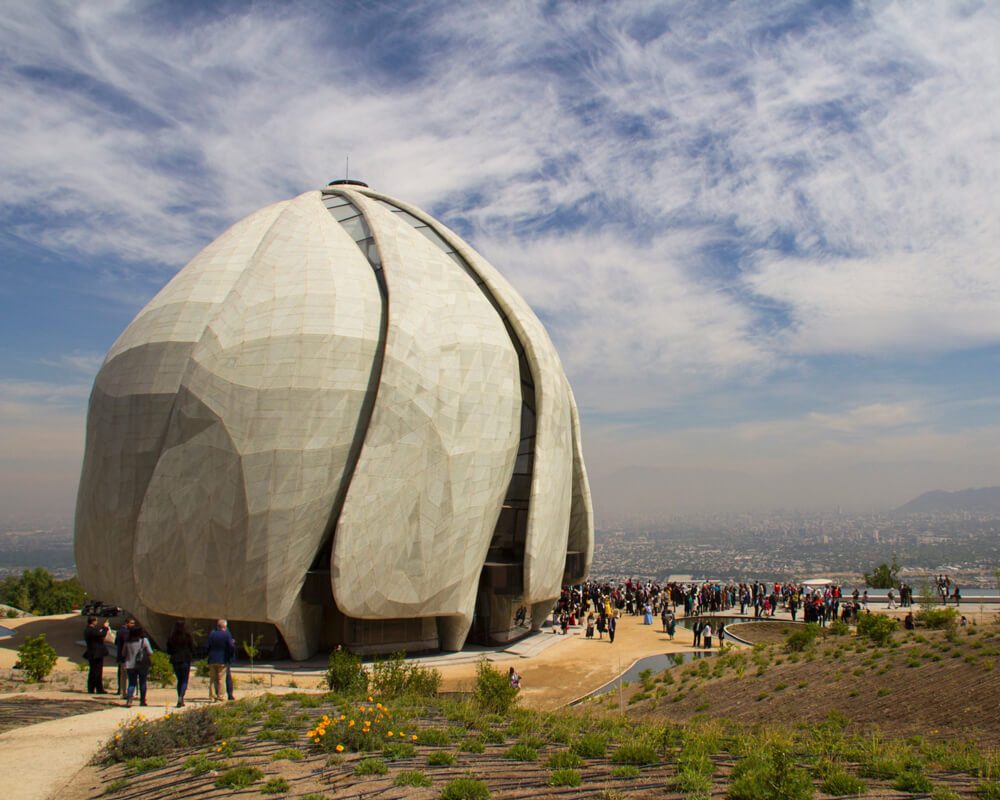
Santiago, Chile
National Houses of Worship
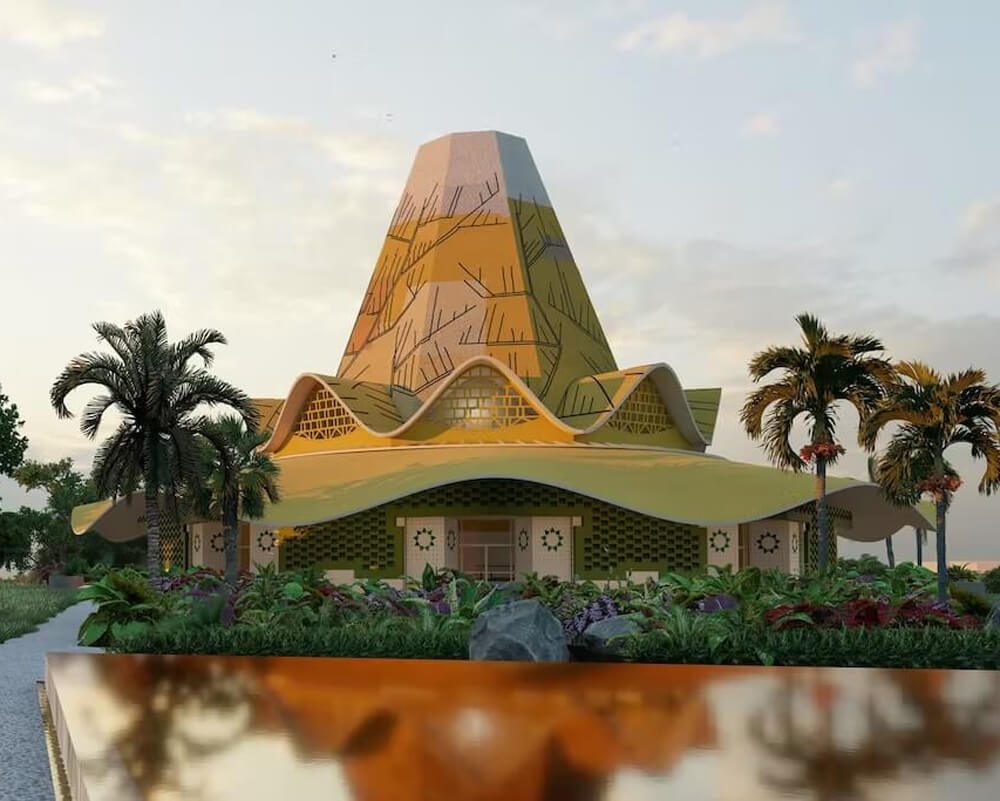
Port Moresby, Papua New Guinea
Kinshasa, DR Congo
Local Houses of Worship
Matunda Soy, Kenya
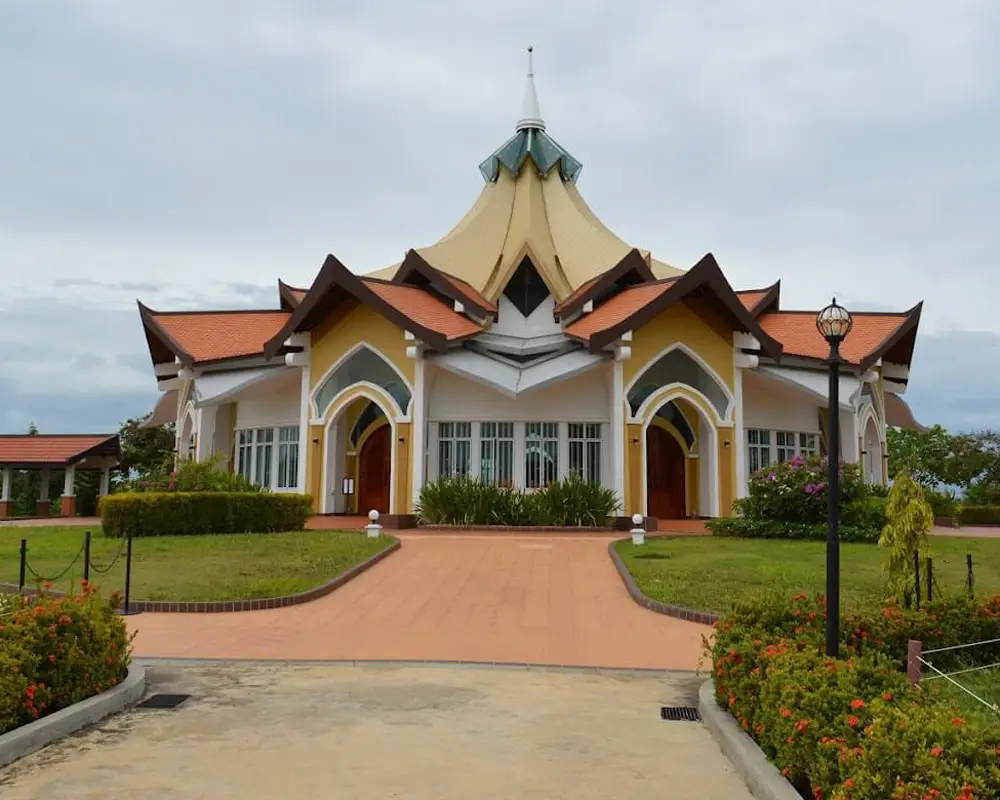
Battambang, Cambodia
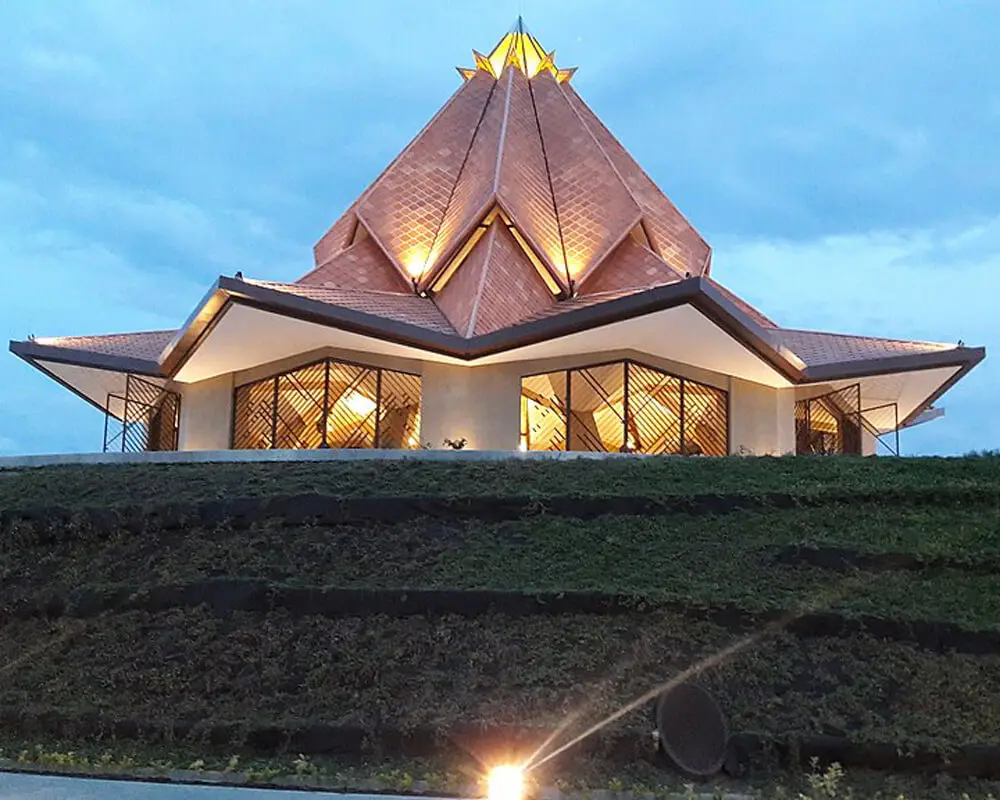
Norte del Cauca, Colombia
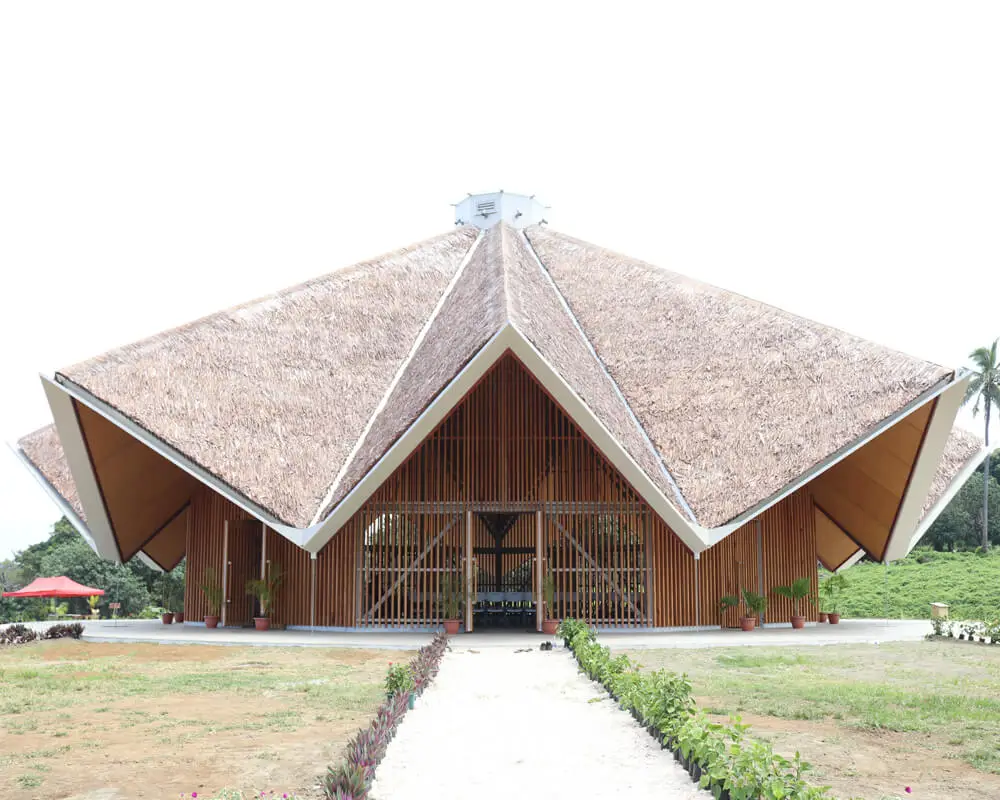
Tanna, Vanuatu
Baha'i Temple in Uganda
The Temple stands at the heart of community life complemented by the administrative Centre of the Bahá’í community of Uganda.
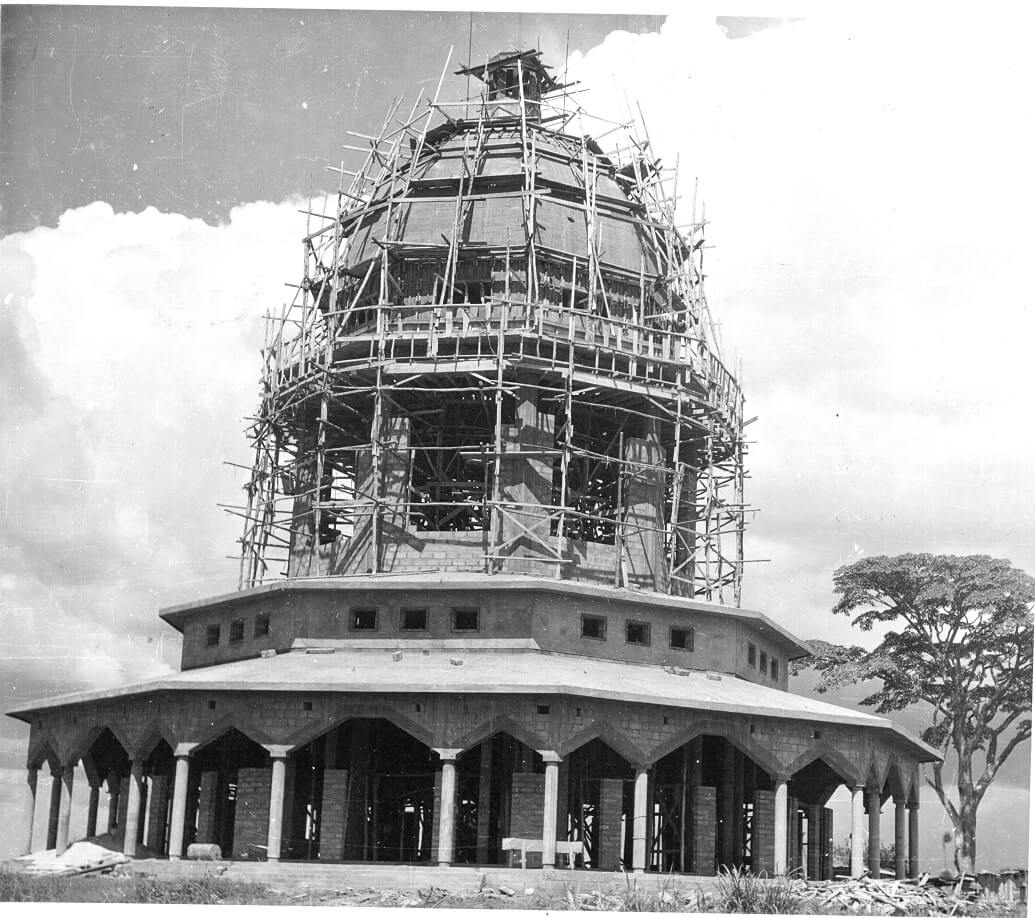
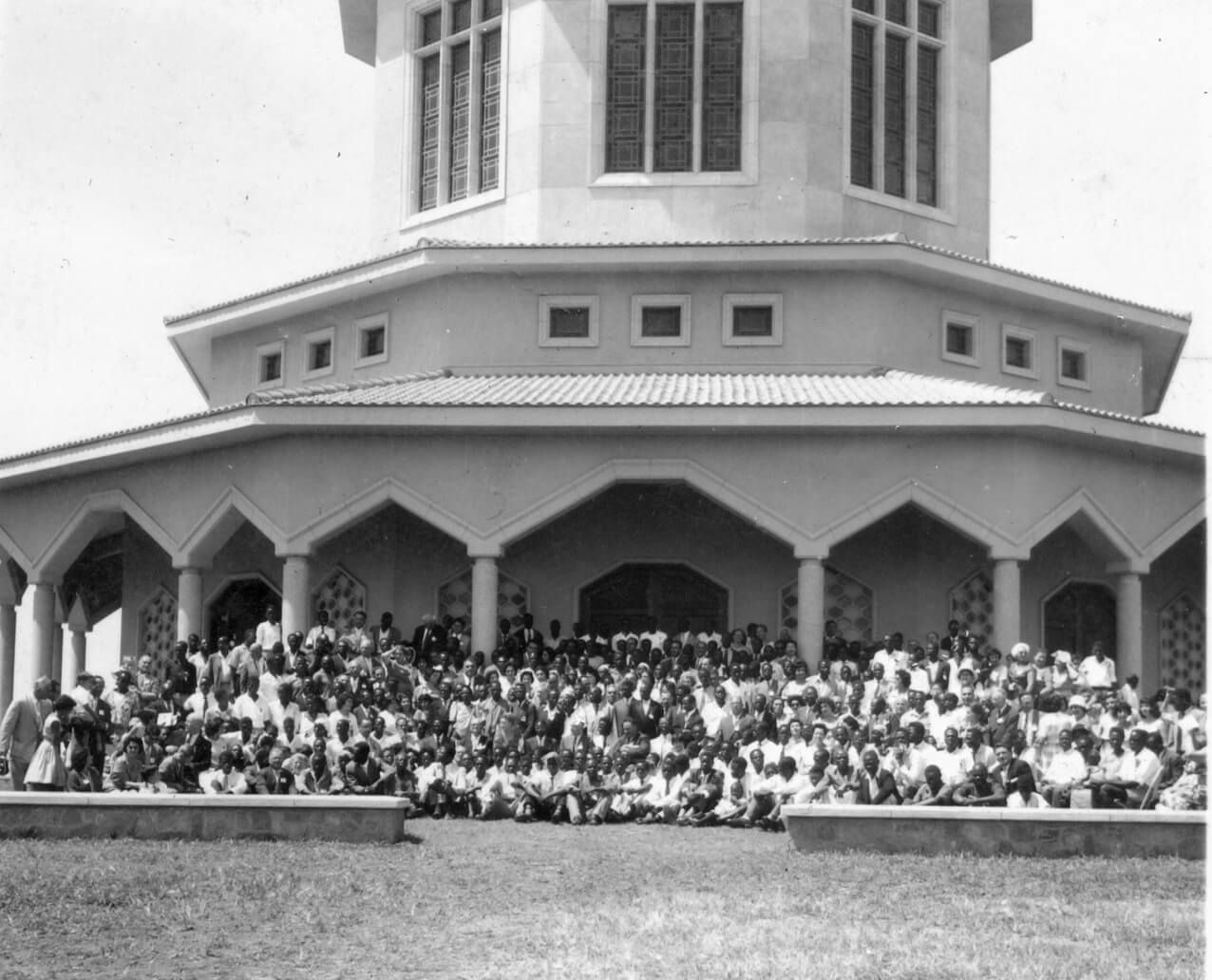
Construction of Africa’s first Bahá’í House of Worship began in 1958 on Kikaaya Hill and the Temple opened to the public on 15 January 1961, welcoming about 1,500 people from diverse backgrounds at its dedication. In April 1963, the first Universal House of Justice, the supreme institution of the Bahá’í Faith, was elected. Further milestones followed in October 1967 with the construction of the National Bahá’í Centre and Uganda’s hosting of an international conference marking the centenary of Bahá’u’lláh’s proclamation.
Owing to the warmth of the Ugandan people and the inclusive spirit of early Bahá’í teachers, the Faith grew rapidly from 1951 through the 1970s. By 1954, more than 670 Bahá’ís from 20 tribes had joined the community, prompting Shoghi Effendi to call for the construction of Africa’s continental House of Worship in Kampala. Known as the Mother Temple of Africa, its foundation stone was laid in 1958 and it was dedicated in January 1961, drawing over 1,500 participants from across Africa and beyond.
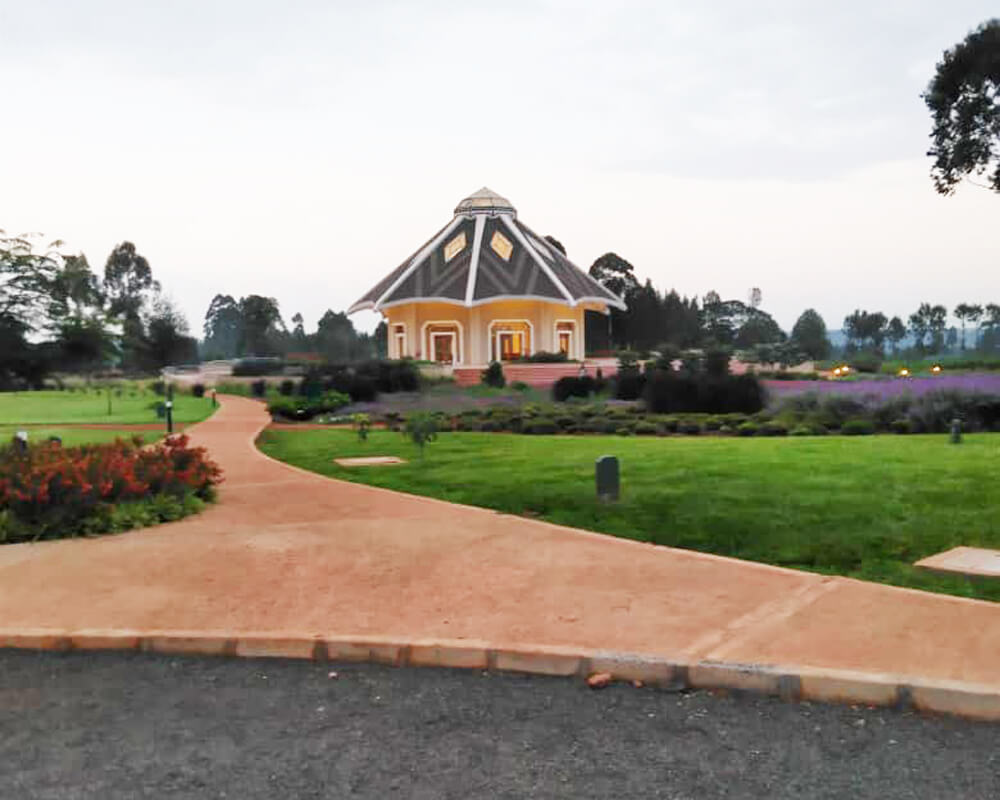
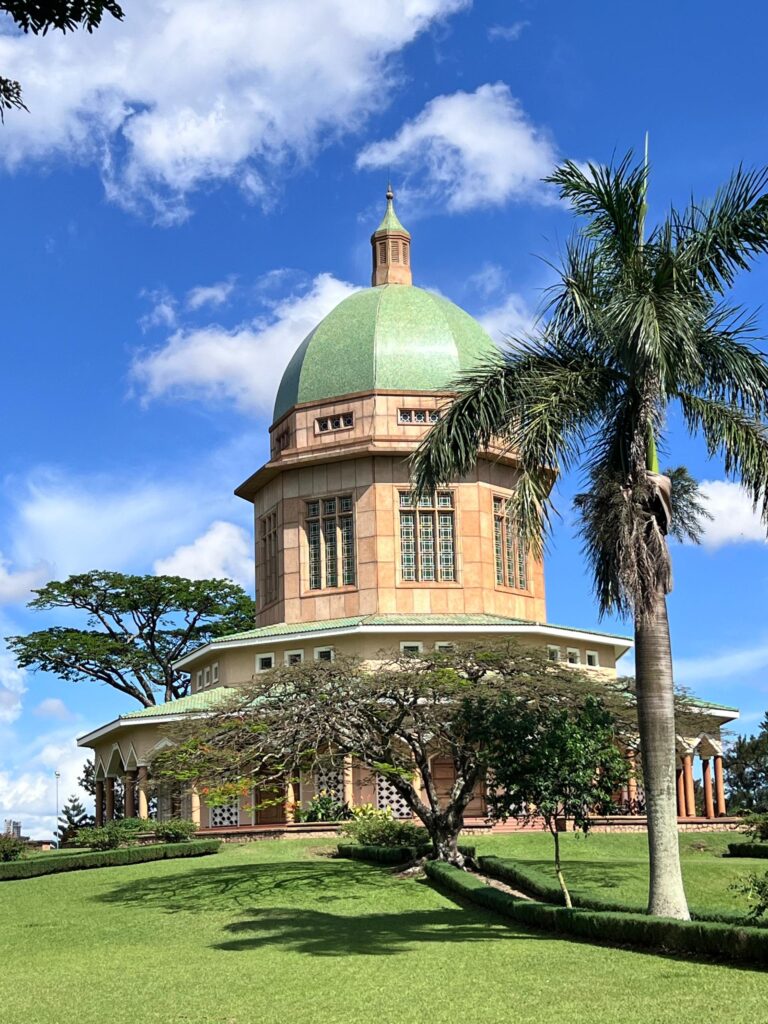
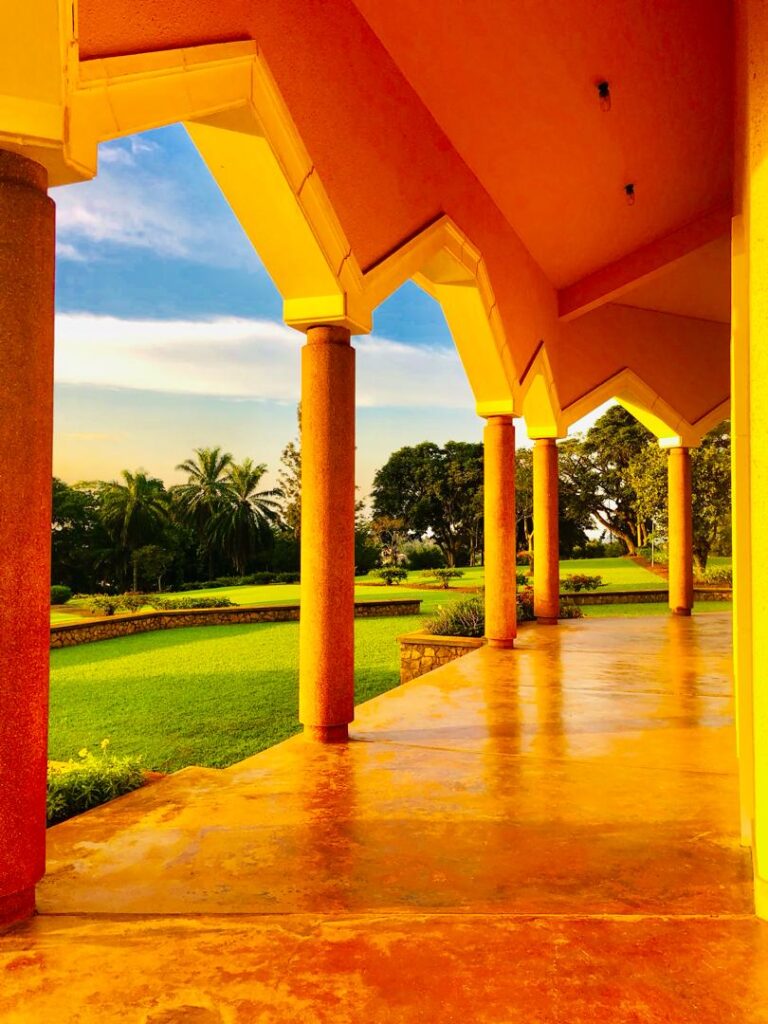
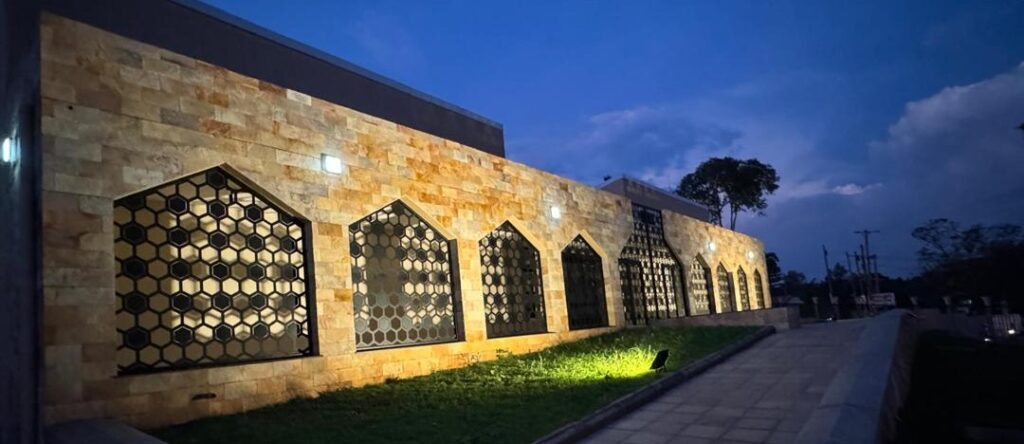
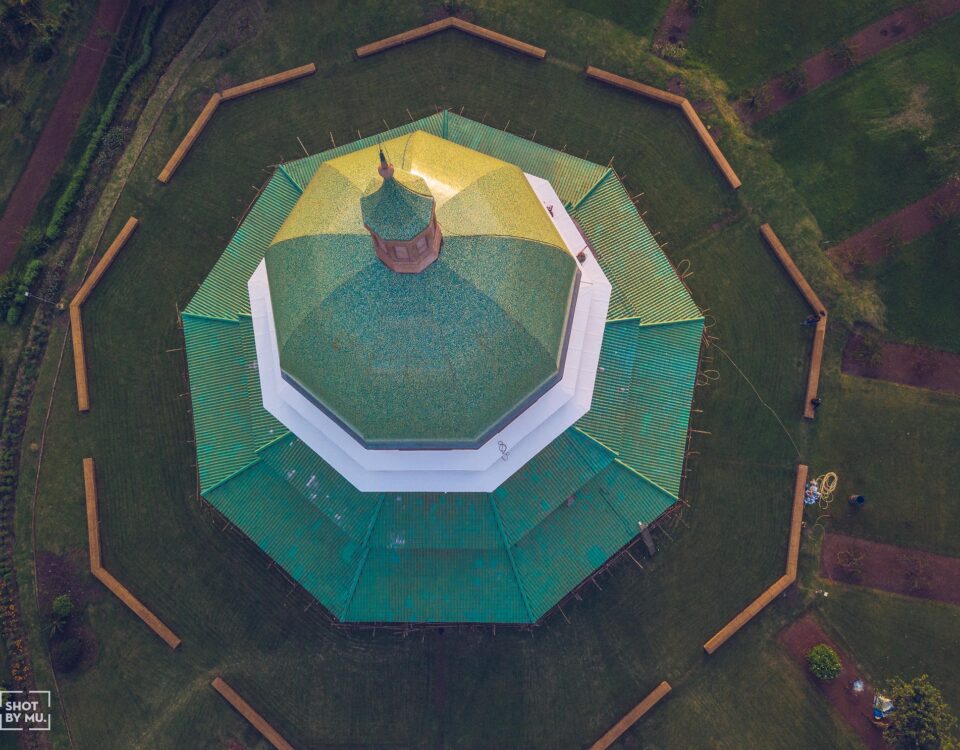
The Mother Temple of Africa is thoughtfully designed to harmonize with its natural surroundings, drawing inspiration from the form of a traditional African hut. Its wide eaves provide shelter from the region’s climate, while a nine-sided dome crowned by a lantern rises gracefully above. Green mosaic tiles adorn the exterior, and inside, soft hues of blue, white, green, and amber reflect and blend with the colours of the surrounding landscape.
Service & Worship
Inspired by Bahá’u’lláh’s vision, the Bahá’í community seeks to unite service and worship in building a life of spiritual and material prosperity for all.
Oness of God
There is only one Creator, called different names and worshipped in different ways.
Oness of Mankind
All people are one, part of the entire human family.
Oness of Religion
All of the world’s great Faiths come from God.
The inseparable principles of worship and service find their fullest expression in the House of Worship, known as the Mashriqu’l-Adhkár, meaning “the Dawning Place of the Remembrance of God.” Open to all people without distinction of age, gender, background, or religious affiliation, it serves as a centre of collective worship and community life, nurturing unity, fellowship, and a spirit of loving service.
Inspired by Bahá’u’lláh’s vision for humanity, the Bahá’í community strives to build a way of life that is both spiritually and materially prosperous, guided by the principles of worship of God and service to humanity. As ‘Abdu’l-Bahá urges, lives are to become “beautiful prayers,” expressed through acts of justice, compassion, and service—uplifting the poor, comforting the sorrowful, healing the afflicted, and bringing hope to those in need.
Visitation Days & Time
Open Days
Tuesday, Wednesday, Thursday, Friday, Saturday, and Sunday